
For Lincoln City residents and property owners, the stunning Pacific coastline that defines our community also brings unique challenges and responsibilities. Among these is tsunami preparedness – a critical consideration for anyone living or owning property along Oregon’s coast. At Pacific Water & Fire Restoration, we believe that understanding the specific risks, preparation strategies, and recovery processes for tsunami events is essential for building a more resilient coastal community.
Understanding Lincoln City’s Tsunami Risk Profile
Lincoln City’s geography creates specific tsunami vulnerabilities that residents should understand to better protect their properties and families.
Geographic Vulnerability Assessment
Lincoln City stretches along seven miles of coastline, with significant residential and commercial development in potential tsunami inundation zones. The city’s unique geography includes:
- Siletz Bay: Creates additional inundation pathways inland
- Devils Lake: Connected to the ocean via D River, providing another water pathway
- Varying elevation profiles: Some neighborhoods sit at higher elevations than others
- Natural and manmade barriers: Affect potential tsunami flow patterns
According to the Oregon Department of Geology and Mineral Industries (DOGAMI), Lincoln City faces two primary tsunami scenarios:
- Distant tsunamis: Generated by far-away earthquakes (like Japan or Alaska), providing hours of warning time
- Local Cascadia Subduction Zone tsunamis: Generated just offshore, potentially arriving within 15-20 minutes after the earthquake
Local Context: The Cascadia Subduction Zone off Oregon’s coast has produced magnitude 8.0-9.0 earthquakes approximately every 300-500 years, with the last major event occurring in January 1700.
Scientists estimate there’s a 37% chance of a major Cascadia earthquake and tsunami in the next 50 years.
Historic Tsunami Events
While Lincoln City has been fortunate to avoid catastrophic tsunami damage in recent history, several events have affected the Oregon coast:
- March 2011: The Japanese tsunami caused approximately $6.7 million in damage to coastal Oregon, primarily affecting harbors
- March 1964: The Great Alaska Earthquake created a tsunami that caused significant damage along the Oregon coast
- January 1700: The last major Cascadia earthquake generated a massive tsunami that drastically reshaped the coastline
Important Note: Even “smaller” distant tsunamis can create dangerous conditions, strong currents, and property damage along Lincoln City’s shoreline.
Tsunami Preparation: A Three-Tiered Approach
Effective tsunami preparation in Lincoln City requires coordinated efforts at the individual, neighborhood, and community levels.
Individual and Family Preparation
Every Lincoln City household should develop a comprehensive tsunami plan:
Know Your Evacuation Zone
Lincoln City has clearly defined tsunami evacuation zones:
- Zone A (yellow): Evacuation for distant tsunamis
- Zone B (orange): Evacuation for local Cascadia tsunamis
- Zone C (green): Outside the projected tsunami inundation area
Pro Tip: Determine your evacuation zone by checking the Oregon Tsunami Clearinghouse website or picking up evacuation maps at Lincoln City City Hall. Oregon Tsunami Evacuation Maps
Create an Evacuation Route and Meeting Plan
- Identify multiple routes to high ground (at least 100 feet above sea level)
- Establish family meeting locations both within Lincoln City and outside the tsunami zone
- Account for mobility challenges for seniors or family members with disabilities
- Plan for pets and important belongings
- Consider evacuation by foot, as roads may be damaged following an earthquake
Local Resource: Lincoln City has designated vertical evacuation sites with blue “Tsunami Evacuation” signs throughout the city. Familiarize yourself with these locations near your home, workplace, and frequently visited areas.
Assemble Emergency Supplies
Prepare a comprehensive “go bag” for quick evacuation:
- Water and non-perishable food
- Medications and first aid supplies
- Important documents in waterproof container
- Emergency contact information
- Cash and identification
- Weather-appropriate clothing
- Portable emergency radio
- Flashlights and extra batteries
- Basic tools and supplies
Pro Tip: For vacation rental owners, consider providing laminated tsunami evacuation instructions and maps for guests who may be unfamiliar with coastal hazards.
Neighborhood Coordination
Lincoln City’s tsunami resilience is strengthened through neighborhood preparation:
Community Emergency Response Teams (CERT)
Lincoln City CERT programs provide training for neighborhood-based emergency response:
- Basic disaster response skills
- Light search and rescue techniques
- Team organization
- Disaster medical operations
- Communications protocols
Local Resource: To join Lincoln City’s CERT program, contact North Lincoln Fire & Rescue at (541) 996-2233.
Neighborhood Map Your Block Programs
Several Lincoln City neighborhoods have implemented Map Your Block initiatives:
- Identify vulnerable residents who may need evacuation assistance
- Document neighborhood resources (generators, medical skills, equipment)
- Establish neighborhood communication plans
- Conduct joint evacuation drills
- Share preparation resources
Community-Level Preparedness
Lincoln City has implemented several community-wide tsunami preparedness measures:
Tsunami Evacuation Infrastructure
The city continues to improve evacuation infrastructure:
- Clearly marked evacuation routes
- Wayfinding signage in multiple languages
- Installation of vertical evacuation structures in vulnerable areas
- Evacuation route lighting systems
- Regular maintenance of evacuation pathways
Early Warning Systems
Lincoln City utilizes multiple warning systems:
- NOAA Weather Radio alerts
- Emergency Alert System broadcasts
- Outdoor warning sirens in key locations
- Wireless Emergency Alerts to mobile devices
- Lincoln County Emergency Notification System
Pro Tip: Sign up for Lincoln County emergency alerts at Lincoln Alert. These notifications provide crucial information during tsunami warnings and other emergencies.
Property Protection Strategies
While human safety remains the primary concern during a tsunami, Lincoln City property owners can implement several strategies to minimize potential damage.
Building Considerations for Tsunami Zones
For properties within tsunami inundation zones:
- Elevation: Raise electrical systems, HVAC equipment, and utilities above potential flood levels
- Breakaway walls: Design lower levels to break away during flooding without compromising structural integrity
- Flood-resistant materials: Use marine-grade materials in lower levels
- Reinforced foundations: Ensure foundations can withstand hydrodynamic forces
- Secure fuel tanks: Prevent hazardous spills during flooding
- One-way valves: Prevent backflow in sewer and drainage systems
Important Note: While these measures may reduce damage, no building strategy can make a structure completely “tsunami-proof” in major inundation zones. Human evacuation remains the primary safety strategy.
Insurance Considerations
Understanding insurance coverage for tsunami events:
- Standard homeowner’s policies typically DO NOT cover tsunami damage
- Flood insurance through the National Flood Insurance Program covers some tsunami damage
- Additional coverage may be available through specialty insurers
- Document property conditions with regular photos/videos
- Maintain detailed inventory of valuable possessions
- Review policy exclusions and limitations
When Tsunami Warnings Are Issued: Response Protocols
Lincoln City has established clear protocols for tsunami warnings, with different responses based on the type of event.
Distant Tsunami Protocol (Hours of Warning)
When a distant tsunami warning is issued:
- Monitor emergency information sources
- Evacuate Zone A (yellow) when instructed
- Take emergency supplies and important belongings
- Secure property if time permits
- Follow designated evacuation routes
- Check in at emergency assembly areas
- Stay out of evacuation zones until all-clear is given
Local Tsunami Protocol (Minutes of Warning)
If you feel a strong earthquake (the natural warning of a potential local tsunami):
- Drop, Cover, and Hold On until shaking stops
- Immediately move to high ground or inland (at least 100 feet above sea level)
- Do not wait for official warnings – natural warning is your cue to evacuate
- Move on foot if possible – roads may be damaged
- Stay on high ground for at least 12 hours or until officials declare it safe
- Expect aftershocks that could trigger additional tsunami waves
Safety Warning: A strong earthquake is your natural warning for a potential local tsunami. If you feel strong shaking, don’t wait for official evacuation orders – move immediately to high ground.
After the Tsunami: Recovery and Restoration
The recovery process after a tsunami involves multiple phases, from immediate response to long-term rebuilding.
Safety First: Re-Entry Considerations
Before returning to tsunami-affected areas:
- Wait for official all-clear notifications
- Be aware of structural damage, debris, and contamination
- Watch for downed power lines and gas leaks
- Wear protective clothing, gloves, and waterproof boots
- Document damage with photos and videos before cleanup
- Be alert for damaged roads, bridges, and unstable structures
Health Warning: Tsunami floodwaters often contain sewage, chemicals, and hazardous materials. Contact with contaminated water or mud can cause serious health risks.
Professional Assessment After Tsunami Inundation
Properties affected by tsunami inundation require comprehensive professional assessment:
Critical Assessment Areas
- Structural integrity: Foundation damage, wall displacement, structural cracking
- Contamination evaluation: Saltwater damage, sewage exposure, chemical contamination
- Electrical systems: Saltwater exposure to wiring and electrical components
- Mold potential: Begins developing within 24-48 hours
- Hidden damage: Water intrusion in wall cavities, crawl spaces, and insulation
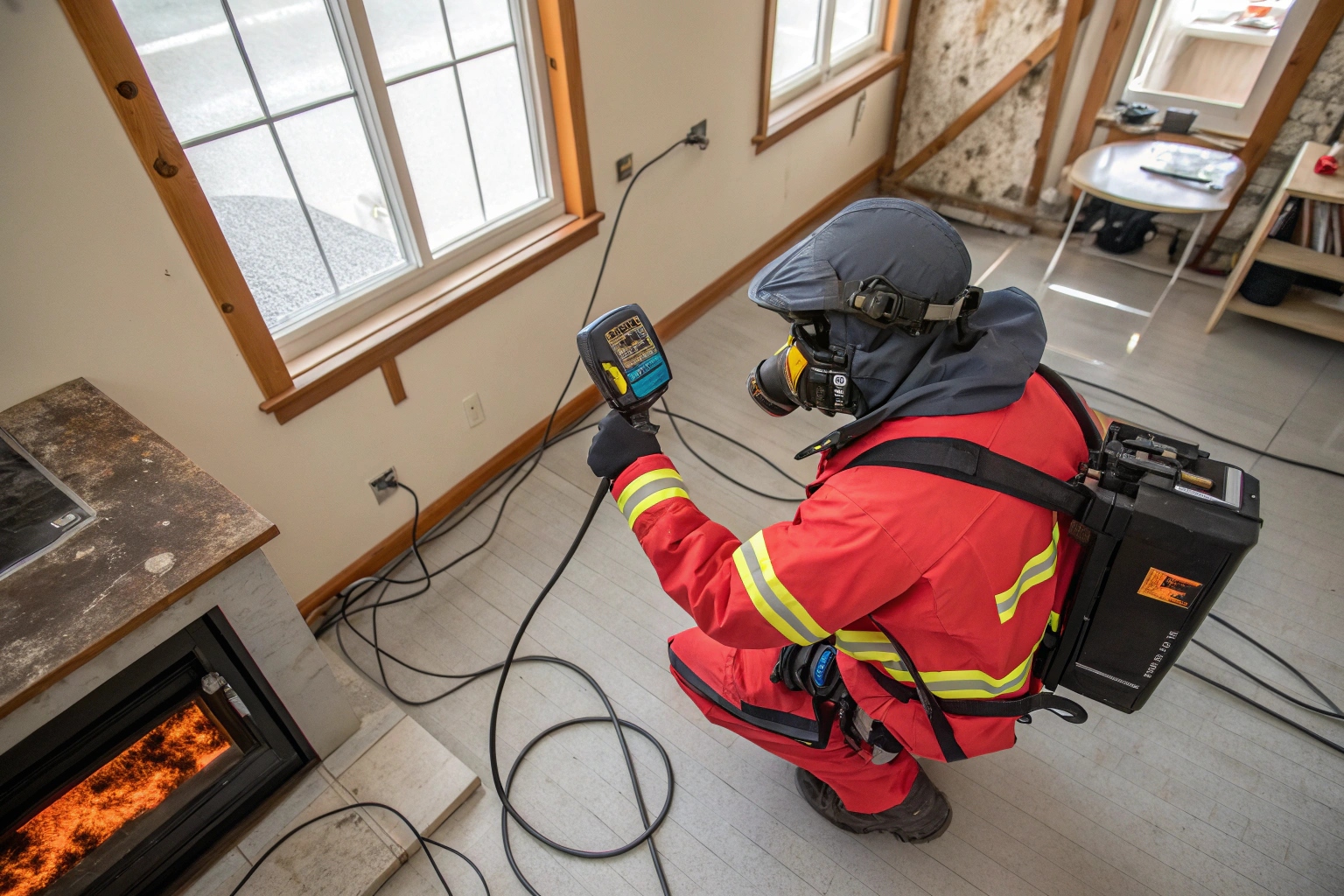
Pro Tip: At Pacific Water & Fire Restoration, our IICRC-certified technicians use specialized equipment to detect saltwater contamination, which can cause ongoing corrosion and damage even after surfaces appear dry. This is particularly important for Lincoln City properties where saltwater intrusion presents unique challenges compared to freshwater flooding.
The Professional Restoration Process
Tsunami-affected properties require specialized restoration approaches:
- Safety assessment and stabilization: Ensuring structure is safe for work
- Water extraction: Removing standing water
- Saltwater mitigation: Specialized processes to address salt contamination
- Structural drying: Using industrial dehumidifiers and air movers
- Sanitization: Addressing biological and chemical contamination
- Corrosion control: Treating metal components exposed to saltwater
- Odor elimination: Removing saltwater and contaminant odors
- Restoration: Repairing and rebuilding damaged elements
Important Distinction: Tsunami damage presents unique challenges compared to typical water damage. Saltwater accelerates corrosion of mechanical and electrical systems, requiring specialized treatment protocols. Additionally, the force of tsunami waters often creates structural damage that requires expert assessment.
Insurance Navigation and Assistance Programs
After a tsunami event:
- Contact insurance providers immediately
- Document all damage before cleanup
- Save samples of damaged materials
- Keep receipts for all recovery expenses
- Register with FEMA if a federal disaster is declared
- Explore Small Business Administration (SBA) disaster loans
Long-Term Coastal Resilience
Lincoln City continues to implement strategies to improve long-term tsunami resilience.
Community Rebuilding Approaches
After major tsunami events, communities often implement improved building practices:
- Relocating critical facilities outside inundation zones
- Establishing stricter building codes for tsunami zones
- Creating buffer zones in highest-risk areas
- Developing more robust evacuation infrastructure
- Implementing green infrastructure to reduce tsunami impact
Ongoing Preparation and Training
Lincoln City maintains several programs to keep tsunami awareness high:
- Annual tsunami evacuation drills
- School-based tsunami education programs
- Vacation rental tsunami information requirements
- Business continuity planning for coastal businesses
- Regular review and update of evacuation maps and procedures
Conclusion: Building a Tsunami-Resilient Lincoln City
While tsunami threats are an inherent part of life on Oregon’s beautiful coast, Lincoln City’s comprehensive preparation strategies, clear evacuation plans, and professional restoration resources create a community that’s increasingly resilient to these challenging events.
At Pacific Water & Fire Restoration, we’re committed to helping Lincoln City property owners both prepare for potential tsunami events and recover effectively should they occur. Our specialized understanding of saltwater contamination, structural assessment, and the unique challenges of coastal properties makes us a valuable partner in maintaining Lincoln City’s coastal resilience.
The key to successful tsunami management lies in the balance between preparation, evacuation planning, and professional restoration knowledge. By combining community education, individual preparation, and professional expertise, Lincoln City continues to build a safer, more resilient coastal community.
Need Tsunami Damage Restoration or Want to Prepare Better?
If you’re dealing with water damage from coastal flooding or want to schedule a preventive assessment of your property’s vulnerabilities, our team of IICRC-certified restoration professionals is available 24/7.
For emergency service: Call 503-201-7337
For preventive assessments: Schedule a free consultation to identify and address potential vulnerabilities to water intrusion.
Remember, when it comes to tsunami preparation in Lincoln City, evacuation remains the primary safety strategy, but should your property suffer damage, professional restoration is your best path to complete recovery.
Pacific Water & Fire Restoration is a full-service property restoration company serving Portland and coastal communities including Lincoln City. Our IICRC-certified technicians are available 24/7 for emergency water extraction, structural drying, and complete restoration services for both residential and commercial properties.