
Restaurant owners in know that their kitchen is the heart of their business. Yet this vital space faces unique risks that can threaten both daily operations and long-term success. At Pacific Water & Fire Restoration, we’ve helped numerous restaurants recover from kitchen disasters, and we’ve learned that prevention is always better than restoration.
Understanding the Risks in Commercial Kitchens
Commercial kitchens face several critical risks:
- Fire hazards from cooking equipment and grease accumulation
- Water damage from plumbing failures and equipment malfunctions
- Mold growth in high-humidity environments
- Structural damage from prolonged exposure to heat and moisture
- Equipment deterioration from improper maintenance
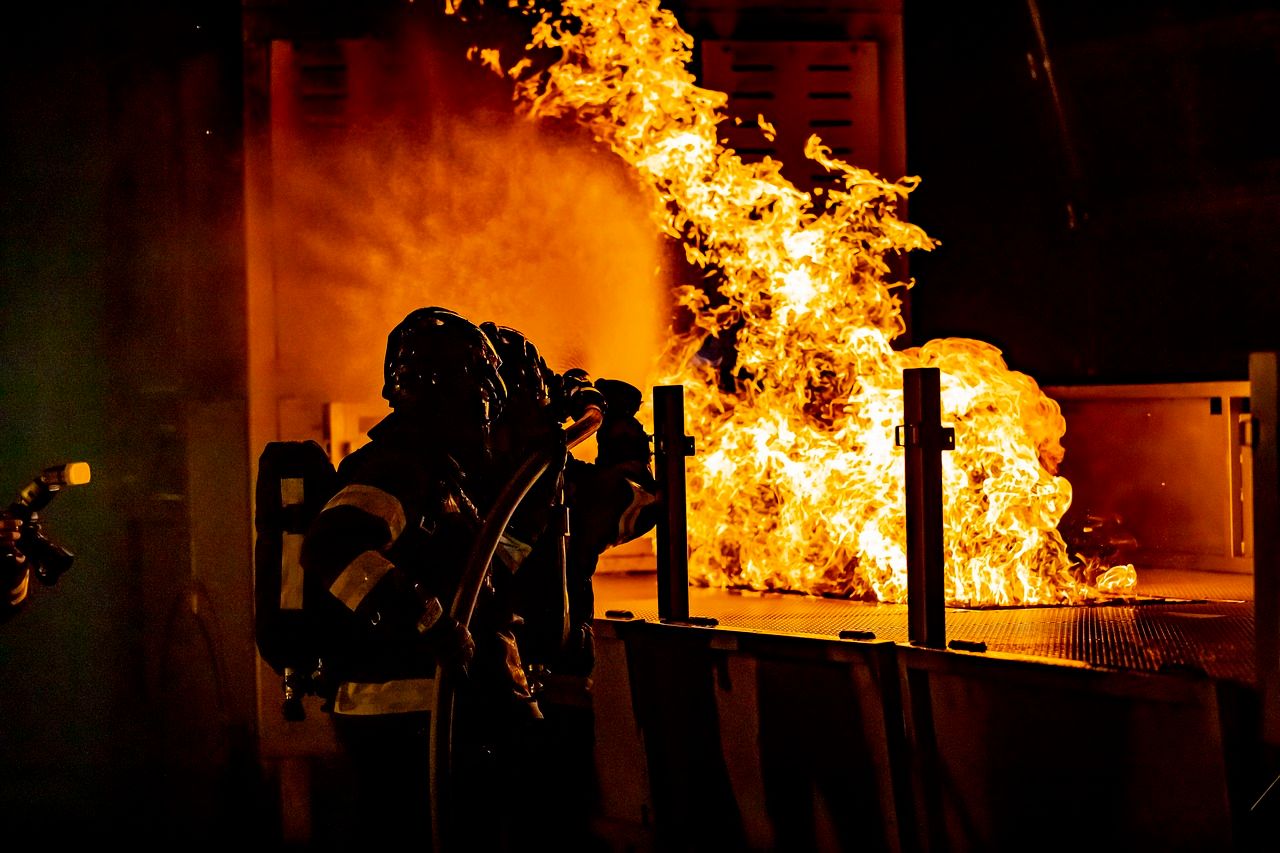
According to the National Fire Protection Association (NFPA), cooking equipment is responsible for 61% of restaurant fires, causing an average of $246 million in direct property damage annually.
Essential Fire Prevention Measures
Grease Management
- Install and maintain appropriate grease traps
- Clean hood systems every 3-6 months (depending on cooking volume)
- Keep detailed cleaning logs for inspection compliance
- Use professional cleaning services certified for commercial kitchens
Pro Tip: regulations require quarterly hood cleaning for high-volume kitchens. Schedule regular cleanings to maintain compliance and prevent grease buildup.
Fire Suppression Systems
- Install UL 300 compliant systems
- Conduct monthly visual inspections
- Schedule professional inspections every 6 months
- Train staff on manual activation procedures
- Keep proper Class K fire extinguishers readily available
Staff Training
- Implement comprehensive fire safety protocols
- Conduct regular fire drill exercises
- Train all staff on proper equipment operation
- Establish clear emergency procedures
- Post emergency contact numbers prominently
Water Damage Prevention Strategies
Plumbing Maintenance
- Schedule regular plumbing inspections
- Address leaks immediately, no matter how small
- Install water detection systems in critical areas
- Maintain proper drainage systems
- Keep supply lines and connections in good repair
Equipment Considerations
- Regularly inspect ice machines and dishwashers
- Maintain proper seals on water-using equipment
- Install automatic shut-off valves on critical systems
- Consider equipment placement to minimize water damage risk
- Keep maintenance records for all water-using equipment
Pro Tip: Install floor drains with backwater valves to prevent sewage backup during heavy rain seasons.
Ventilation and Humidity Control
Proper ventilation is crucial for:
- Preventing excess moisture accumulation
- Reducing fire risks
- Maintaining air quality
- Preventing mold growth
- Ensuring staff comfort
Best Practices
- Maintain proper air balance in kitchen areas
- Clean ventilation systems regularly
- Monitor humidity levels
- Address condensation issues promptly
- Ensure proper makeup air supply
Insurance and Compliance
Essential Coverage
- Verify adequate fire and water damage coverage
- Understand policy limitations and requirements
- Keep detailed maintenance records
- Document all safety procedures
- Maintain photo documentation of equipment condition
Local Compliance
- Stay current with health department requirements
- Schedule regular fire safety inspections
- Maintain all required permits and certificates
- Keep inspection records readily available
- Follow Multnomah County food service guidelines
Emergency Response Planning
Create a Detailed Plan
- Establish clear evacuation procedures
- Designate emergency roles and responsibilities
- Post emergency contact information
- Maintain updated vendor contact list
- Create equipment shutdown procedures
Emergency Kit Contents
- First aid supplies
- Emergency contact list
- Building shutdown procedures
- Insurance information
- Basic tools and supplies
Professional Inspection Checklist
Regular professional inspections should include:
□ Hood and duct systems □ Fire suppression systems □ Electrical systems □ Plumbing systems □ Ventilation equipment □ Safety equipment □ Building envelope □ Drainage systems
Maintenance Schedule Template
| System | Daily | Weekly | Monthly | Quarterly | Annually |
| Hood System | Visual Check | Basic Clean | Deep Clean | Professional | Certification |
| Fire Suppression | Visual Check | Testing | Inspection | Service | Certification |
| Plumbing | Check Leaks | Clean Drains | Inspection | Maintenance | Professional |
| Ventilation | Operation | Filter Check | Deep Clean | Professional | System Test |
Signs That Require Immediate Action
Fire Risk Indicators
- Unusual odors from equipment
- Flickering lights or electrical issues
- Grease buildup beyond normal levels
- Equipment operating at unusual temperatures
- Ventilation system problems
Water Issue Warning Signs
- Unexplained moisture
- Water stains or discoloration
- Unusual plumbing sounds
- Slow drains
- Musty odors
Prevention Investment vs. Restoration Costs
Investing in prevention is significantly more cost-effective than dealing with damages:
- Average kitchen fire damage: $50,000 – $200,000
- Average water damage restoration: $20,000 – $50,000
- Annual prevention maintenance: $5,000 – $15,000
Emergency Response Protocol
When disaster strikes, follow these steps:
- Ensure immediate safety
- Contact emergency services if needed
- Shut off relevant utilities
- Document the damage
- Contact Pacific Water & Fire Restoration: 503-201-7337
Protecting Your Investment
Your commercial kitchen represents a significant investment in your business. Protecting it requires:
- Regular maintenance
- Staff training
- Professional inspections
- Quick response to issues
- Proper documentation
Get Professional Help
Don’t wait for a disaster to strike. Pacific Water & Fire Restoration offers:
- Free kitchen safety assessments
- Emergency response planning
- 24/7 emergency services
- Professional restoration services
- Expert guidance and support
Contact Us
For immediate assistance or to schedule a free kitchen safety assessment:
- Call: 503-201-7337
- Email: [email protected]
- Visit: https://pacificwaterandfirerestoration.com/
Our IICRC-certified professionals are available 24/7 to help protect your restaurant from fire and water damage. Remember, when it comes to commercial kitchen safety, prevention is always better than restoration.
For emergency situations requiring immediate response, call our 24/7 emergency line at 503-201-7337.