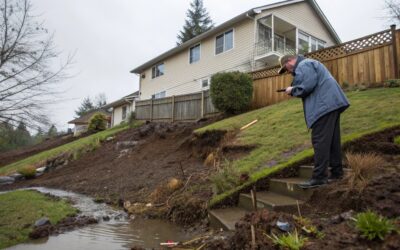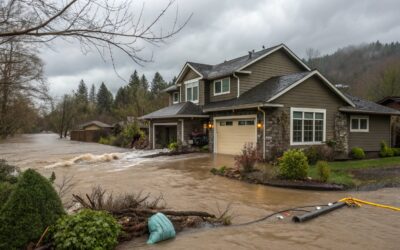
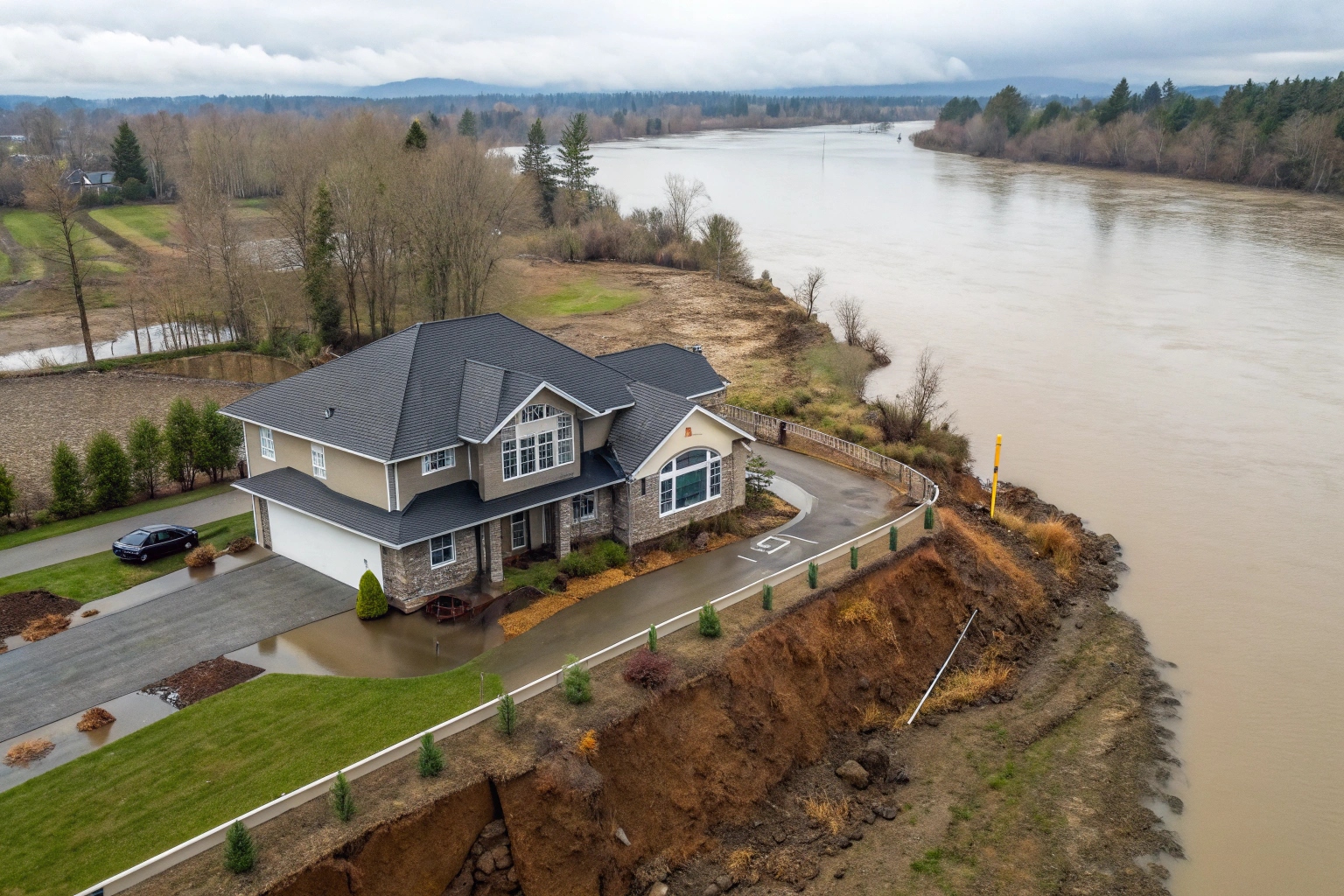

Nestled in the heart of the Willamette Valley, Newberg, Oregon enjoys a picturesque setting with rolling hills, fertile farmland, and the graceful curve of the Willamette River defining its southern boundary. But this beautiful landscape conceals two significant natural hazards that shape the community’s emergency preparedness strategy: seismic risk from the Cascadia Subduction Zone and nearby fault systems, and flooding potential from the Willamette River and its tributaries.
At Pacific Water & Fire Restoration, we’ve worked with numerous Newberg residents to both prepare for and recover from these distinct natural hazards. This experience has given us unique insights into how Newberg’s specific geography, infrastructure, and community approaches affect disaster preparedness, response, and recovery.
Understanding Newberg’s Dual Natural Hazards
Newberg faces two primary natural disaster risks with very different characteristics, preparation needs, and recovery challenges.
Seismic Risk Profile
Newberg’s seismic vulnerability stems from several geological factors:
- Cascadia Subduction Zone: Located approximately 70 miles offshore, this 600-mile fault capable of generating magnitude 9.0+ earthquakes poses Newberg’s most significant seismic threat
- Mount Angel Fault: Running northeast of Newberg, this active fault system is capable of generating significant local earthquakes
- Portland Hills Fault: This fault system east of Newberg could produce earthquakes directly affecting the community
- Local Soil Conditions: Parts of Newberg, particularly along the river and creeks, have soils susceptible to liquefaction during strong shaking
According to the Oregon Department of Geology and Mineral Industries (DOGAMI), Newberg has a 15-20% probability of experiencing a major earthquake within the next 50 years. Their models suggest a full Cascadia event would result in strong to severe shaking in the Newberg area, lasting 3-5 minutes.
Flooding Vulnerability
Newberg’s flood risk comes from several water sources:
- Willamette River: Forming Newberg’s southern boundary, the river has historically flooded low-lying areas
- Chehalem Creek: This significant creek running through eastern Newberg can overflow during heavy rainfall
- Hess Creek: Flowing through western portions of the city, this creek presents localized flood hazards
- Springbrook Creek: A tributary system with flooding potential during sustained rainfall events
Urban Flooding: As development has increased impermeable surfaces, some neighborhoods experience localized flooding during intense rain events
FEMA flood maps indicate approximately 8% of Newberg properties lie within designated Special Flood Hazard Areas, though historical floods have affected properties beyond these designated zones.
Pro Tip: Newberg residents can sign up for emergency alerts through Yamhill County’s emergency notification system at www.yamhillcounty.gov/emergency. These location-specific notifications can provide critical advance warning for both flooding and earthquake aftershock risks.
Earthquake Preparedness for Newberg Properties
Effective earthquake preparation requires both structural and non-structural approaches tailored to Newberg’s specific risks.
Home Structural Considerations
The structural integrity of your home significantly impacts earthquake resilience:
Foundation Assessment
Newberg’s diverse housing stock presents different foundation vulnerabilities:
- Older Homes (Pre-1970s): Many older homes in downtown Newberg and historic neighborhoods have inadequate seismic anchoring
- Post-1974 Construction: Homes built after Oregon’s initial seismic codes offer improved but often still limited protection
- Modern Homes (Post-1993): Newer homes, especially in developments like Springbrook and Providence Newberg areas, incorporate more robust seismic features
Key foundation improvements include:
- Foundation Bolting: Securing the wooden frame of the house to the concrete foundation
- Cripple Wall Bracing: Reinforcing short walls between the foundation and first floor
- Post-and-Pier Reinforcement: Upgrading older post-and-pier foundations common in historic Newberg homes
- Reinforcing Connections: Ensuring proper connections between foundation, walls, and roof
Structural Upgrades
Beyond foundation work, several structural improvements increase earthquake resilience:
- Shear Wall Installation: Adding reinforced walls that resist lateral forces
- Roof-to-Wall Connections: Ensuring the roof is properly secured to supporting walls
- Chimney Reinforcement or Removal: Addressing unreinforced masonry chimneys common in older Newberg homes
- Soft-Story Retrofits: Reinforcing buildings with large openings on the first floor (particularly relevant for some downtown Newberg structures)
Non-Structural Preparation
Many earthquake injuries and property losses come from non-structural damage:
- Furniture Anchoring: Secure tall furniture, bookcases, and appliances to wall studs
- Water Heater Strapping: Properly strap water heaters to prevent gas leaks and water damage
- Cabinet Latches: Install latches on cabinets containing glassware or hazardous materials
- Flexible Utility Connections: Install flexible connections for gas appliances
- Heavy Object Placement: Store heavy items on lower shelves
- Hanging Item Security: Secure pictures, mirrors, and other hanging items with closed hooks
Emergency Supplies and Plans
Newberg’s relative geographic isolation could mean delayed assistance after a major earthquake:
- Water Supply: Store at least one gallon per person daily for two weeks (Newberg’s water system might require extensive repairs after a Cascadia event)
- Food Reserves: Maintain a two-week supply of non-perishable food
- Medication Supply: Keep extra prescription medications on hand
- Emergency Power: Consider generators, solar chargers, or battery backups
- Communication Plan: Establish out-of-area contacts and meeting locations
- Neighborhood Coordination: Join or establish a neighborhood emergency team
Safety Warning: After securing natural gas appliances, learn how to shut off your gas following an earthquake. According to the Newberg Fire Department, residents should only shut off gas if they smell gas, hear hissing, or see the meter spinning rapidly, as professional restoration may be required to restore service.
Flood Preparation for Newberg Properties
Newberg’s varied topography creates different flooding vulnerabilities requiring specific preparation approaches.
Know Your Flood Risk
Understanding your specific property’s vulnerability is the essential first step:
- FEMA Flood Maps: Determine if your property is within a designated Special Flood Hazard Area (primarily along the Willamette and major creeks)
- Historical Flooding: Research previous flooding at your specific location
- Elevation Certificate: For properties in or near flood zones, an elevation certificate can precisely document your property’s height relative to base flood elevations
- Local Knowledge: Consult with long-time residents, as some Newberg neighborhoods have experienced localized flooding not reflected in official flood maps
According to Yamhill County Emergency Management, areas with heightened flood risk include:
- Parts of South Newberg near the Willamette
- Areas along Chehalem Creek in eastern Newberg
- Sections along Hess Creek through central Newberg
- Springbrook area during extraordinary rainfall events
Property-Level Flood Prevention
Drainage Improvements
Proper drainage is crucial for Newberg properties due to the area’s substantial annual rainfall:
- Proper Grading: Ensure your yard slopes away from the foundation
- Gutters and Downspouts: Maintain clean gutters and extend downspouts at least 10 feet from foundations
- French Drains: Consider installing French drains in areas prone to standing water
- Sump Pump Systems: Install sump pumps with battery backups in basements or crawlspaces
- Backflow Prevention: Install backflow preventers on sewer lines to prevent sewage backup during floods
Structural Modifications
For properties with identified flood risk:
- Elevation of Utilities: Raise electrical panels, HVAC systems, and water heaters above potential flood levels
- Flood Vents: For crawlspace foundations, install proper flood vents to allow water flow beneath the home rather than against it
- Sealants and Barriers: Apply waterproofing compounds to foundation walls
- Deployable Flood Barriers: For properties with repeated flooding, consider temporary flood barriers for doorways and garages
- First Floor Elevation: In extreme cases, consider elevating the entire structure (an expensive but effective solution for repeatedly flooded properties)
Emergency Response Planning
When flooding threatens, having a clear plan improves outcomes:
- Evacuation Routes: Identify multiple routes from your property that avoid flood-prone areas
- Emergency Contacts: Maintain a list of emergency contacts, including insurance information
- Valuable Protection: Create a plan for moving valuables to higher levels during flood warnings
- Document Security: Store important documents in waterproof containers or digitize them
- Pet Considerations: Include pets in evacuation plans
Community Resources and City Initiatives
Newberg has developed several community-level approaches to address both earthquake and flood risks:
Earthquake Preparedness Programs
- Newberg-Dundee Emergency Volunteer Corps: Community volunteer organization providing training and resources
- Neighborhood Emergency Teams: Several Newberg neighborhoods have established local emergency response teams
- Business Continuity Planning: The Chehalem Valley Chamber of Commerce offers resources for business earthquake preparation
- School Preparedness: Newberg School District continues upgrading facilities for seismic resilience
- Public Education: The city hosts regular earthquake preparedness workshops
Flood Management Systems
- Willamette River Monitoring: Advanced monitoring systems provide early warning of rising water levels
- Stormwater System Improvements: Ongoing infrastructure upgrades address historical flooding issues
- Creek Maintenance Programs: Regular clearing of debris from Chehalem and Hess Creeks
- Detention Basin Projects: Several water detention facilities help manage runoff during heavy rainfall
- Green Infrastructure Initiatives: New developments incorporate permeable surfaces and rain gardens
Emergency Communication Systems
- Yamhill County Alerts: Opt-in emergency notification system
- NOAA Weather Radio: Dedicated weather alert system covering the Newberg area
- Emergency Information Hubs: Designated locations for information distribution if normal communications fail
- HAM Radio Network: Local amateur radio operators maintain emergency communication capabilities
- Multilingual Alerts: Emergency information available in Spanish and Russian, reflecting Newberg’s diverse population
Case Study: Edwards Neighborhood Response
The Edwards neighborhood, located near Chehalem Creek in eastern Newberg, implemented an impressive dual-hazard preparation approach after experiencing localized flooding in 2019:
- Risk Assessment: Residents worked with emergency management officials to assess both flood and earthquake vulnerabilities specific to their location.
- Water Management: The neighborhood collaborated on a comprehensive drainage improvement project, including shared French drain systems and coordinated downspout management.
- Earthquake Preparation: A neighborhood-wide assessment identified homes needing seismic retrofits, with residents sharing contractor recommendations and coordinating work to reduce costs.
- Equipment Sharing: The community established a shared resource program for emergency equipment, including water pumps, generators, and emergency supplies.
- Vulnerable Resident Support: A formal check-in system ensures elderly and disabled residents receive assistance during emergencies.
This dual-hazard approach has been highlighted by Yamhill County Emergency Management as a model for other neighborhoods.
When Disaster Strikes: Emergency Response
Despite the best preventative efforts, disasters can still occur. Knowing how to respond can significantly reduce damage and recovery time.
Earthquake Response
During and immediately after an earthquake:
- During Shaking:
- Drop, Cover, and Hold On – get under sturdy furniture if possible
- Stay away from windows, exterior walls, and anything that could fall
- If outdoors, move to an open area away from buildings, trees, and power lines
- Immediate Actions After Shaking Stops:
- Check for injuries and provide first aid
- Evaluate structural damage before re-entering buildings
- Check for gas leaks, water damage, or electrical hazards
- Turn off utilities if damage is suspected or advised
- Listen for emergency information via NOAA weather radio or other sources
- Documentation:
- Take photos and videos of all damage before beginning cleanup
- Note structural and non-structural damage
- Record all emergency measures taken
Flood Response
If flooding threatens your Newberg property:
- Safety First:
- Evacuate if advised by authorities
- Never walk or drive through flooded areas
- Be aware that flooding can compromise structural integrity
- Property Protection Measures:
- Move valuable items to higher levels
- Deploy temporary barriers if available and safe to do so
- Turn off electricity at the main breaker if water threatens electrical systems
- Secure or relocate hazardous materials that could contaminate floodwaters
- Documentation:
- Take photos before, during (if safe), and after flooding
- Track water levels and flow patterns
- Note time and duration of flooding
The Restoration Process
At Pacific Water & Fire Restoration, our approach to disaster recovery in Newberg addresses the specific challenges of both earthquake and flood damage.
Earthquake Damage Restoration
Our earthquake restoration process typically involves:
- Structural Assessment: Working with structural engineers to evaluate building safety and necessary repairs
- Water Damage Mitigation: Addressing water damage from broken pipes or sprinkler systems, a common consequence of earthquakes
- Fire Damage Restoration: Handling any fire damage from broken gas lines or electrical issues
- Content Recovery: Carefully recovering and restoring damaged belongings
- Structural Repairs: Implementing necessary structural repairs, often with seismic improvements
- Systems Restoration: Repairing or replacing damaged utilities and mechanical systems
Flood Damage Restoration
Our flood restoration approach includes:
- Water Extraction: Using industrial-grade pumps and extraction units specifically suited to the type of flooding (river water vs. stormwater)
- Contamination Assessment: Testing for contaminants based on the flood source
- Structural Drying: Implementing scientific drying principles with commercial dehumidifiers and air movers
- Sanitization: Applying appropriate antimicrobial treatments based on contamination levels
- Mold Prevention: Implementing specific protocols to prevent post-flood mold issues
- Reconstruction: Rebuilding with flood-resistant materials and techniques when appropriate
Pro Tip: After any disaster, create a detailed inventory of damaged items including age, value, and condition. Take photographs of brand names, model numbers, and serial numbers when possible. This documentation significantly streamlines the insurance claim process.
Insurance Considerations for Newberg Property Owners
Understanding insurance coverage for both earthquake and flood risks is essential for Newberg residents:
Earthquake Insurance
- Standard homeowners policies do not cover earthquake damage
- Separate earthquake insurance must be purchased as an endorsement or standalone policy
- Coverage costs vary based on construction type, age, location, and retrofit improvements
- Deductibles typically range from 10-25% of the home’s insured value
- Many Newberg homeowners qualify for premium discounts after implementing seismic upgrades
Flood Insurance
- Standard homeowners policies do not cover flooding from external sources
- National Flood Insurance Program (NFIP) policies are available to all Newberg residents
- Properties in Special Flood Hazard Areas with federally-backed mortgages require flood insurance
- There is typically a 30-day waiting period before flood policies take effect
- Even properties outside designated flood zones should consider coverage due to Newberg’s creek systems and changing climate patterns
According to insurance industry data, the average earthquake damage claim in Oregon exceeds $80,000, while the average flood claim is approximately $30,000. These figures highlight the importance of adequate coverage for both risks.
Climate Change Implications for Newberg
Climate projections suggest several changes that could affect Newberg’s natural hazard risk profile:
- Increased Precipitation Intensity: More frequent heavy downpours could stress Newberg’s creek systems and urban drainage
- Seasonal Changes: Wetter winters and drier summers may increase both flood and wildfire risks
- Willamette River Patterns: Changing snowmelt patterns in the Cascades could alter river flooding characteristics
- Drought-Flood Cycles: More pronounced swings between dry and wet periods could affect soil stability
While climate change does not directly impact earthquake risk, secondary hazards like landslides may be influenced by changing precipitation patterns, particularly in Newberg’s hillside neighborhoods.
Conclusion: Building a Resilient Newberg
Newberg’s dual preparation for both earthquakes and floods demonstrates how understanding specific local conditions, implementing appropriate preventative measures, and fostering community cooperation can create resilience even in the face of significant natural hazards.
The city’s approach represents a balanced perspective: acknowledging genuine risks while taking practical steps to reduce vulnerability rather than succumbing to fear or complacency. This pragmatic approach serves as a model for communities facing multiple natural hazard threats.
At Pacific Water & Fire Restoration, we’re committed to helping Newberg property owners navigate these challenges—both in preventing damage through thoughtful preparation and providing expert restoration services when needed.
Take Action Today
Don’t wait until disaster strikes to address potential vulnerabilities:
- Emergency Response: For immediate disaster damage, call our 24/7 emergency line at 503-201-7337
- Preventative Assessment: Schedule a free property evaluation to identify potential vulnerabilities and develop mitigation strategies
- Restoration Consultation: If you’ve experienced disaster damage in the past, our specialists can help identify and address underlying issues to prevent future damage
Remember, in Newberg’s unique environment, proactive preparation for both earthquakes and floods isn’t just about protecting your property—it’s about preserving the community character and quality of life that makes this area special.
Pacific Water & Fire Restoration serves the entire Portland metro area, including Newberg, Dundee, McMinnville, and surrounding communities. Our IICRC-certified professionals are available 24/7 for emergency response to water, fire, mold, and earthquake damage. Contact us at 503-201-7337 or visit our website to learn more about our comprehensive restoration services.