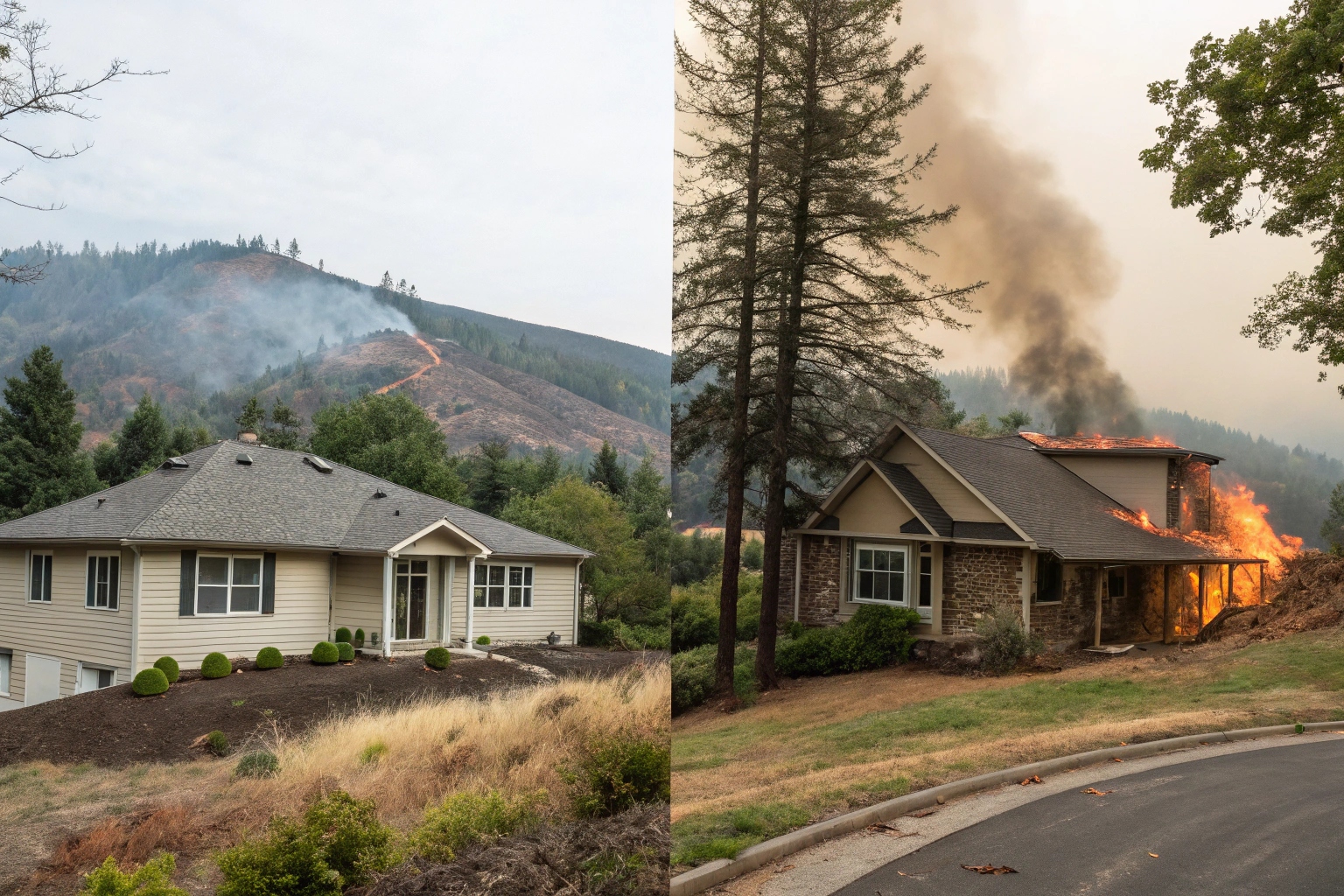
For Dallas, Oregon residents, the threat of wildfires has become an increasingly pressing concern in recent years. Located in Polk County with proximity to forested areas and the coast range, Dallas communities face unique challenges when it comes to wildfire risks and recovery. At Pacific Water & Fire Restoration, we’ve witnessed firsthand the devastating impact wildfires can have on homes and businesses, but we’ve also seen the remarkable resilience of communities as they rebuild and restore what was lost.
Understanding Wildfire Risks in Dallas, Oregon
The Dallas area faces specific wildfire vulnerabilities that residents should understand to better protect their properties and plan for potential recovery.
Local Wildfire History and Patterns
Oregon’s Willamette Valley, including Dallas, has experienced increasing wildfire activity in recent years. The 2020 Labor Day fires that devastated parts of Oregon serve as a stark reminder of how quickly wildfires can impact communities previously considered at lower risk. While Dallas itself wasn’t directly hit by those fires, the smoke impact was significant, and many residents have family or connections in harder-hit areas like Gates, Detroit, and Santiam Canyon.
Key Local Risk Factors:
- Wildland-Urban Interface (WUI): Many Dallas properties, especially in developing areas west of town, sit at the intersection of natural vegetation and human development
- Seasonal drought conditions: Summer and early fall drought periods create high-risk conditions
- Strong east winds: Similar to the winds that fueled the catastrophic 2020 fires
- Increasing temperatures: Climate trends show longer, drier fire seasons
- Agricultural burning: When not properly managed, can occasionally escape control
The Oregon Department of Forestry classifies portions of Dallas’s western edge as moderate to high wildfire risk zones, particularly areas bordering timber or brush lands.
Before the Fire: Creating Defensible Space
The most effective way to protect your Dallas property from wildfire damage is through proactive preparation and creating defensible space.
Defensible Space Zones
Creating buffer zones around your property reduces fire risk through strategic landscaping and maintenance:
Zone 1 (0-30 feet from structures):
- Remove dead vegetation, leaves, and needles from roofs and gutters
- Trim tree branches that overhang your roof
- Keep lawns mowed to a maximum height of 4 inches
- Remove flammable plants and replace with fire-resistant varieties
- Move firewood piles outside this zone
- Use non-combustible materials for decks, patios, and fencing where possible
Zone 2 (30-100 feet from structures):
- Keep grass and wildflowers under 8 inches
- Create breaks in vegetation to slow fire spread
- Ensure spacing between trees and shrubs (10-30 feet depending on slope)
- Remove fallen leaves, needles, twigs, bark, cones, and small branches
- Trim trees up 6-10 feet from the ground
Pro Tip: Oregon State University Extension Service offers free defensible space evaluations for Dallas area homeowners. Contact their Polk County office for more information.
Home Hardening Measures
Beyond landscaping, structural modifications can significantly improve your home’s wildfire resistance:
- Roof materials: Install Class A fire-rated roofing (metal, tile, or asphalt)
- Vents and eaves: Cover with 1/8-inch metal mesh to prevent ember entry
- Windows: Install dual-paned windows with tempered glass
- Decks: Enclose undersides with fire-resistant materials
- Gutters: Install gutter guards or maintain clean gutters regularly
- Siding: Consider replacing vulnerable materials with cement board, stucco, or other fire-resistant options
Local Resource: The Oregon Office of State Fire Marshal provides a free home assessment checklist specifically designed for Willamette Valley homes.
During a Wildfire: Evacuation Planning
If a wildfire threatens the Dallas area, having a clear evacuation plan is essential for your family’s safety.
Understanding Evacuation Levels
Oregon uses a three-level evacuation system:
- Level 1 (BE READY): Prepare to leave; monitor emergency information
- Level 2 (BE SET): Be prepared to leave at a moment’s notice
- Level 3 (GO NOW): Leave immediately; life-threatening danger exists
Local Context: During the 2020 wildfires, many Oregonians had minimal warning before Level 3 evacuations. Having a plan in place before any evacuation notice is crucial.
Creating an Evacuation Plan
Develop a comprehensive evacuation strategy:
- Identify multiple exit routes from your neighborhood (Ellendale Avenue, Kings Valley Highway, and Monmouth Cutoff are major evacuation routes)
- Establish family meeting locations both in Dallas and outside the area
- Prepare an emergency supply kit ready to grab
- Plan for pets and livestock (the Polk County Fairgrounds often serves as an emergency animal shelter)
- Document important possessions with photos/videos for insurance
- Sign up for Polk County emergency alerts at Polk County Emergency Management
Safety Warning: If you feel threatened by fire, don’t wait for an official evacuation order. Leave early to avoid dangerous traffic congestion during mass evacuations.
After the Fire: Returning Home Safely
When authorities declare it safe to return after a wildfire, your safety remains the top priority during the initial assessment.
Initial Safety Assessment
Before entering your property:
- Look for safety hazards: Downed power lines, gas leaks, ash pits, and structure damage
- Wear protective equipment: N95 masks, goggles, long sleeves, long pants, and sturdy boots
- Check for hot spots: Look for smoke or smoldering areas that could reignite
- Document everything: Take detailed photos and videos for insurance claims
- Contact your insurance company: Report damage immediately
Health Warning: Wildfire ash is highly toxic and can contain chemicals, asbestos, and other hazardous materials. Avoid direct skin contact and minimize dust disturbance.
Immediate Stabilization Needs
Address these critical areas first:
- Structural integrity: Have a professional assess if the structure is safe to enter
- Water damage: From firefighting efforts or damaged pipes
- Security concerns: Secure the property against trespassing or theft
- Smoke and ash contamination: These can cause ongoing damage if not addressed
The Restoration Process: From Devastation to Recovery
The path to restoration after wildfire damage involves several key phases.
Professional Assessment and Planning
A comprehensive restoration plan begins with thorough professional assessment:
- Structural evaluation: Identifying compromised building elements
- Smoke damage assessment: Determining the extent of smoke penetration
- Water damage mapping: Locating moisture from firefighting efforts
- Contents inventory: Evaluating personal belongings for restoration potential
Pro Tip: At Pacific Water & Fire Restoration, we use advanced thermal imaging and moisture detection equipment to identify hidden damage often missed in visual inspections. This technology helps prevent long-term issues like mold growth and structural weakening.
Smoke and Soot Removal
Wildfire smoke and soot present unique challenges compared to typical house fires:
- Microscopic particles: Penetrate deeply into materials and HVAC systems
- Acidic composition: Can cause ongoing corrosion and deterioration
- Pervasive odors: Require specialized treatments to eliminate completely
Our professional restoration process includes:
- HEPA air filtration: Removing airborne particulates
- Specialized cleaning agents: Neutralizing acidic residues
- Thermal fogging: Penetrating materials to eliminate embedded odors
- HVAC cleaning: Removing contaminants from ventilation systems
- Content cleaning: Specialized treatments for fabrics, electronics, and valuables
Important Note: Many DIY cleaning approaches can actually set smoke damage or push particles deeper into materials. Professional restoration typically provides more thorough, lasting results.
Structural Restoration
For homes with structural fire damage, the rebuilding process involves:
- Demolition and debris removal: Safely removing damaged materials
- Structural reinforcement: Ensuring remaining elements meet building codes
- Rebuilding: Reconstructing damaged portions with improved fire-resistant materials
- Systems restoration: Repairing or replacing electrical, plumbing, and HVAC systems
Water Damage Mitigation
Often overlooked after wildfires, water damage from firefighting efforts requires:
- Water extraction: Removing standing water
- Structural drying: Using industrial dehumidifiers and air movers
- Moisture monitoring: Ensuring complete drying to prevent mold growth
- Antimicrobial application: Preventing microbial development in affected areas
Insurance Considerations for Wildfire Recovery
Navigating insurance claims after wildfire damage can be complex but critical for financial recovery.
Documentation Best Practices
Maintain thorough records throughout the recovery process:
- Take extensive photos and videos before cleanup begins
- Create detailed inventories of damaged items
- Save all receipts related to temporary housing, cleanup, and restoration
- Keep a log of all communication with insurance adjusters
- Document additional living expenses while displaced
Understanding Coverage Types
Different policies cover different aspects of wildfire damage:
- Dwelling coverage: For structural damage to your home
- Personal property coverage: For damaged belongings
- Additional living expenses: For temporary housing while displaced
- Landscaping coverage: May help restore damaged trees and shrubs
- Code upgrade coverage: For bringing rebuilt structures up to current building codes
Local Resource: The Oregon Division of Financial Regulation offers free assistance to Dallas residents navigating complex insurance claims after disasters at 1-888-877-4894.
Rebuilding Stronger: Fire-Resistant Construction
For Dallas homeowners rebuilding after wildfire damage, incorporating fire-resistant design and materials creates a more resilient property.
Fire-Resistant Building Materials
Consider these upgrades during reconstruction:
- Roofing: Metal, clay, or concrete tile instead of asphalt or wood
- Siding: Fiber cement, stucco, or masonry instead of vinyl or wood
- Windows: Tempered glass with metal frames
- Decking: Composite or pressure-treated lumber
- Fencing: Non-combustible options like metal or masonry near the house
Building Code Considerations
Polk County and the City of Dallas have updated building codes for wildfire-prone areas that may affect your rebuilding process:
- Ember-resistant venting requirements
- Class A roofing standards
- Defensible space maintenance requirements
- Increased setbacks from slope edges
- Fire access requirements for driveways and gates
Working with contractors familiar with these wildfire-related code updates can streamline the permitting and inspection process.
Community Resources for Dallas Residents
Several local and regional resources can assist Dallas community members with wildfire recovery:
- Polk County Emergency Management: Coordinates recovery resources and provides information
- Oregon Department of Human Services: Offers assistance programs for disaster survivors
- FEMA Disaster Assistance: Available when major disaster declarations are made
- Small Business Administration (SBA): Provides low-interest disaster loans to homeowners and businesses
- Oregon Voluntary Organizations Active in Disaster (ORVOAD): Coordinates volunteer assistance
- Insurance Consumer Advocacy: Free help navigating insurance claims
Conclusion: Moving Forward with Resilience
While wildfire damage creates tremendous challenges for Dallas residents, the recovery process also presents opportunities to rebuild safer, more resilient homes and communities. By understanding the restoration process, implementing fire-resistant features, and accessing available resources, affected homeowners can navigate the path from devastation to recovery.
At Pacific Water & Fire Restoration, we’re committed to helping Dallas communities through every stage of wildfire recovery—from immediate response to complete restoration. Our experience working with insurance companies, knowledge of fire-resistant rebuilding practices, and compassionate approach to disaster recovery make us a trusted partner in these challenging times.
Need Wildfire Damage Restoration or Want to Prepare Better?
If you’re dealing with wildfire damage or want to schedule a preventive assessment of your home’s wildfire vulnerabilities, our team of IICRC-certified restoration professionals is available 24/7.
For emergency service: Call 503-201-7337
For preventive assessments: Schedule a free consultation to identify and address potential vulnerabilities before fire season.
Remember, when it comes to wildfires in Dallas, preparation is your best defense, but should your home suffer damage, professional restoration is your best path to recovery.
Pacific Water & Fire Restoration is a full-service property restoration company serving Portland and surrounding communities including Dallas. Our IICRC-certified technicians are available 24/7 for emergency fire damage assessment, smoke remediation, and complete restoration services for both residential and commercial properties.