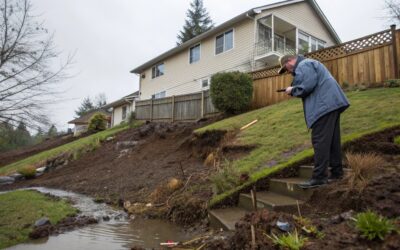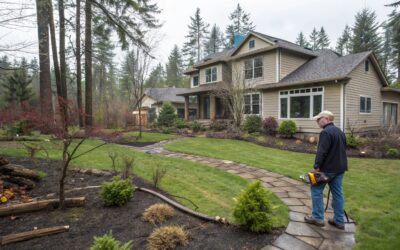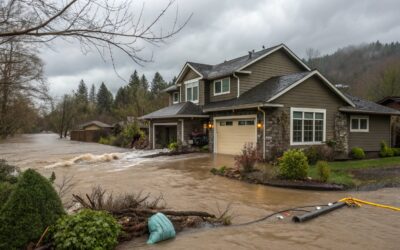
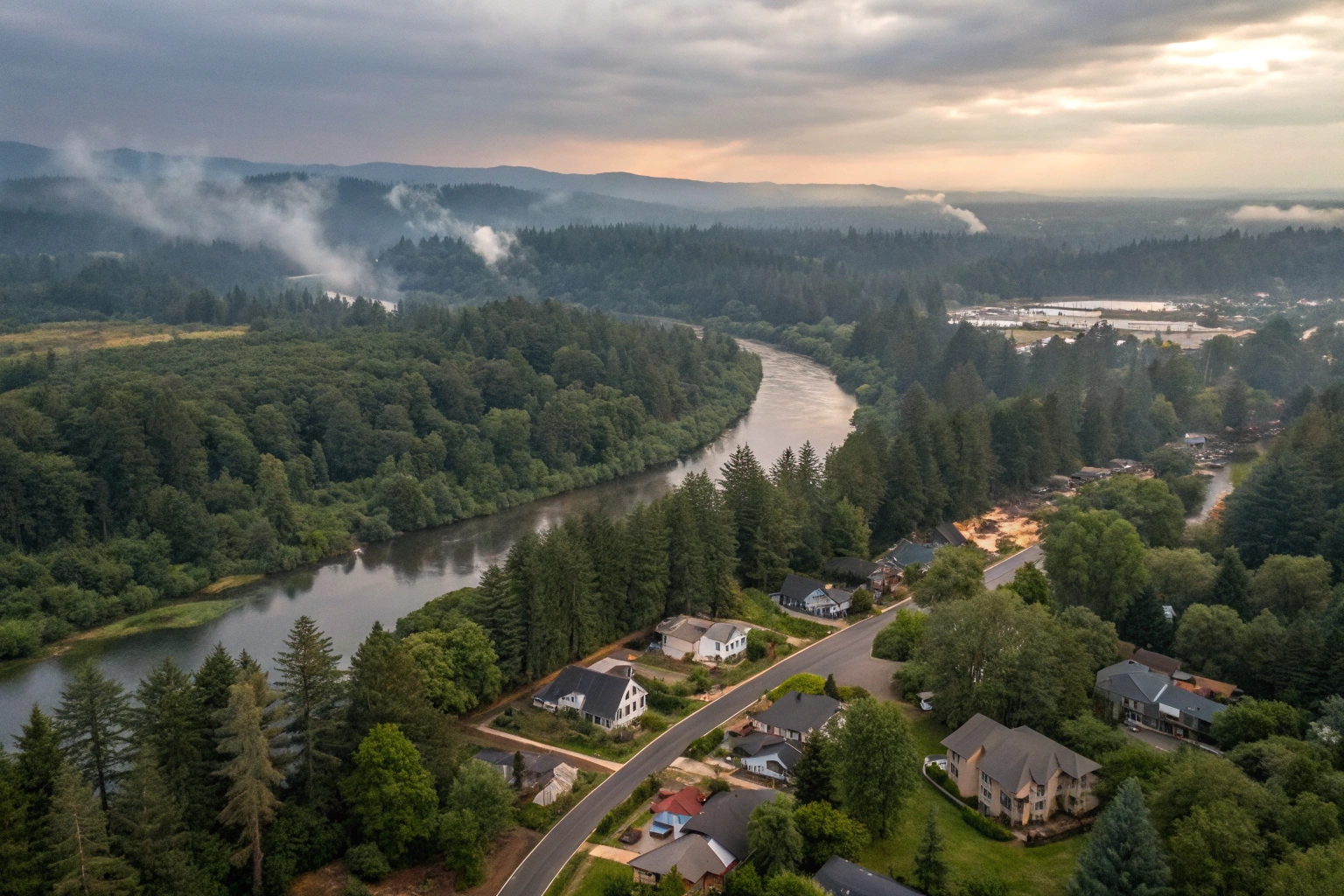

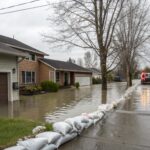
The picturesque community of Tualatin, nestled in the southwestern corner of the Portland metropolitan area, offers residents a serene lifestyle along the banks of the Tualatin River. Yet this idyllic setting faces two powerful natural forces that can dramatically impact property owners: fire and water. Whether it’s seasonal flooding from the Tualatin River, water damage from our region’s abundant rainfall, or the increasing wildfire risk during our increasingly dry summers, Tualatin residents face unique restoration challenges that require specialized knowledge and rapid response.
At Pacific Water & Fire Restoration, we’ve been helping Tualatin and greater Portland area property owners recover from these dual threats with professional restoration services designed specifically for our local conditions. This comprehensive guide explores the science behind effective fire and water damage restoration, with specific insights for Tualatin property owners.
Understanding Tualatin’s Unique Environmental Challenges
Tualatin’s geographical location creates a distinctive risk profile that property owners should understand:
Water Damage Risk Factors
- Tualatin River Basin Flooding: Historical records show significant flooding events in 1996, 2008, and 2015, with particular impact on properties in the Tualatin River floodplain.
- Urban Development Impact: As Tualatin has developed, natural water-absorbing landscapes have been replaced with impervious surfaces, increasing runoff during heavy rainfall.
- Seasonal Precipitation Patterns: The Portland metro area receives approximately 36 inches of rainfall annually, with the heaviest precipitation typically occurring between November and February.
- Aging Infrastructure: Some neighborhoods in Tualatin have aging plumbing systems more prone to failures that lead to indoor water damage.
Fire Risk Factors
- Urban-Wildland Interface: Residential developments along Tualatin’s wooded areas face elevated wildfire risk, particularly in neighborhoods bordering natural areas.
- Climate Change Impacts: According to the Oregon Department of Forestry, wildfire seasons are now 78 days longer than in the 1970s, extending the period of vulnerability.
- Structural Fire Risks: Tualatin’s mix of housing stock—from newer developments to homes built in the 1970s and 80s—presents varying levels of fire safety features and potential hazards.
- Critical Response Time: Tualatin Valley Fire & Rescue data shows that most house fires double in size every minute, highlighting the importance of rapid response and professional restoration.
The Science of Water Damage: Beyond What Meets the Eye
Water damage restoration is a science-driven process that requires understanding how moisture interacts with different building materials and creates secondary damage:
Types of Water Damage in Tualatin Properties
Category 1 (Clean Water)
- Originates from sanitary sources
- Examples: broken water supply lines, overflowing sinks, melting ice/snow
- Poses minimal immediate health risk but can degrade to Category 2 within 24-48 hours
Category 2 (Gray Water)
- Contains significant contamination
- Examples: washing machine overflow, dishwasher discharge, sump pump failures
- Can cause illness if ingested or, sometimes, if exposed to skin
Category 3 (Black Water)
- Grossly contaminated
- Examples: river flooding (including Tualatin River overflow), sewage backups, standing water supporting microbial growth
- Contains pathogens, toxins, and other harmful materials
- Requires specialized handling and PPE
The Progressive Timeline of Water Damage
Within Minutes:
- Water rapidly spreads, saturating everything in its path
- Furniture finishes begin to bleed, potentially staining carpets permanently
- Papers, books, and photos warp and distort
Within Hours:
- Drywall begins to swell and break down
- Furniture begins to swell and crack
- Metal surfaces begin to tarnish
- Odors become noticeable
Within 24-48 Hours:
- Mold spores, ubiquitous in Tualatin’s environment due to our humidity, begin to grow and spread
- Wood flooring warps and buckles
- Paint begins to blister
- Metal begins to corrode
- Furniture becomes increasingly damaged
- Biohazard contamination risk increases with certain water sources
After One Week:
- Restoration costs and efforts increase dramatically
- Structural safety may be compromised
- Mold contamination risks significant increase
- Salvageability of contents decreases substantially
- Environmental hazards may be significant
The Science of Structural Drying
Professional water damage restoration relies on understanding psychrometrics—the study of air, water vapor, and their interactions:
- Evaporation: Converting liquid water to water vapor by adding energy (heat)
- Dehumidification: Removing water vapor from air through condensation or absorption
- Air Movement: Accelerating evaporation by replacing moisture-saturated air at the surface with drier air
For effective structural drying in Tualatin properties:
Temperature should typically be maintained between 70-90°F
Relative humidity should be lowered below 60% as quickly as possible
Air movement must reach all affected areas, including wall cavities, under cabinets, and other hidden spaces
The Science of Fire Damage: Complex Restoration Challenges
Fire damage presents some of the most complex restoration challenges, involving several distinct types of damage:
Understanding Fire Damage Components
Thermal Damage:
- Direct burning and charring of materials
- Heat-related melting, warping, or discoloration
- Structural weakening of building elements
Smoke Damage:
- Particulate deposits on surfaces
- Penetration into porous materials
- Oxidation and etching of metals
- Discoloration of plastics and fabrics
Chemical Damage:
- Acidic soot residue that continues to damage surfaces over time
- Corrosive byproducts that deteriorate metals, plastics, and other materials
- Toxic compounds that may pose health risks
Water Damage:
- Secondary damage from firefighting efforts
- Often affects areas untouched by the actual fire
- Creates additional challenges like mold growth potential
Types of Smoke Residue
The restoration approach varies significantly based on the type of smoke residue present:
Dry Smoke Residue:
- Results from fast-burning, high-temperature fires
- Typically from wood and paper fires
- Fine, powdery texture
- Often easier to clean but can fall into crevices
Wet Smoke Residue:
- Results from smoldering, low-heat fires
- Typically from plastic and rubber materials
- Sticky, smeary texture with pungent odor
- Difficult to clean, may require specialized approaches
Protein Residue:
- Results from kitchen fires and burned food
- Nearly invisible but causes significant odor
- Extremely adhesive and challenging to remove
- Requires deodorization in addition to cleaning
Fuel Oil Soot:
- Results from furnace puff-backs or oil-based heating malfunctions
- Contains petroleum residues
- Can distribute throughout an entire home through HVAC systems
The Chemistry of Odor Removal
Fire odors result from volatile molecules becoming airborne and interacting with olfactory receptors. Professional deodorization follows multiple steps:
- Source Removal: Eliminating burned materials that continue to emit odors
- Cleaning: Removing odor-causing residues from surfaces
- Sealing: Encapsulating odors in materials that cannot be removed
- Air Treatment: Using specialized equipment to neutralize odor molecules:
- Hydroxyl generators that break down odor molecules
- Ozone generators that oxidize odor compounds
- Thermal fogging that mimics fire’s heat penetration to reach odors in porous materials
Preparation Strategies for Tualatin Property Owners
Water Damage Prevention
Plumbing Maintenance:
- Inspect visible pipes for leaks quarterly
- Replace aging water heaters (typically at 8-12 years)
- Know the location of your water shutoff valve
- Consider automatic water shutoff systems with leak detection
Basement/Crawlspace Protection:
- Install and maintain sump pumps with battery backups
- Apply waterproofing treatments to foundations
- Ensure proper grading away from foundations
- Clean gutters and extend downspouts at least 3 feet from foundation
Flood Preparation:
- Check FEMA flood maps to understand your property’s risk level
- Consider flood insurance (even if not in a designated flood zone)
- Elevate valuable items in basement areas
- Install check valves to prevent sewer backups
Winter Weather Precautions:
- Insulate pipes in unheated areas
- Allow faucets to drip during extreme cold
- Disconnect and drain outdoor hoses
- Maintain heating systems to prevent freezing
Fire Prevention
Inside Your Home:
- Install and maintain smoke detectors (replace batteries twice yearly)
- Keep fire extinguishers accessible (check pressure gauge annually)
- Never leave cooking unattended
- Maintain heating systems and chimneys annually
- Keep combustibles away from heat sources
Outside Your Home:
- Create defensible space by keeping landscaping trimmed away from structures
- Remove dead vegetation within 30 feet of your home
- Keep gutters free of debris
- Store firewood at least 30 feet from structures
- Use fire-resistant landscaping where possible
Emergency Planning:
- Create and practice a family evacuation plan
- Prepare an emergency kit with essentials
- Document your belongings with photos or video
- Store important documents in fire-resistant storage
- Program emergency contacts in phones
The Professional Restoration Process
When disaster strikes a Tualatin property, our restoration approach combines scientific principles, advanced technology, and local expertise:
Water Damage Restoration Process
- Emergency Contact (24/7 Response)
- Immediate telephone assistance
- Dispatch of emergency response team
- Initial safety and damage assessment guidance
- Inspection and Assessment
- Identify water source and category
- Survey extent of damage
- Check for safety hazards
- Document pre-existing conditions
- Create detailed restoration plan
- Water Extraction
- Remove standing water with truck-mounted or portable extraction units
- Specialized extraction for different flooring types
- Removal of water-saturated materials that cannot be salvaged
- Professional Drying and Dehumidification
- Strategic placement of commercial air movers
- Installation of industrial dehumidifiers
- Regular monitoring of moisture levels using specialized meters
- Adjustment of equipment as drying progresses
- Documentation of drying process
- Cleaning and Sanitizing
- Antimicrobial treatments where necessary
- Odor treatment and removal
- Professional cleaning of salvageable contents
- HEPA vacuuming of affected areas
- Restoration and Repairs
- Rebuilding damaged structural elements
- Replacing unsalvageable materials
- Reinstalling flooring, drywall, and other finishes
- Final cleaning and inspection
Fire Damage Restoration Process
- Emergency Contact and Response
- 24/7 availability
- Initial safety guidance
- Coordination with emergency services if needed
- Assessment and Planning
- Evaluation of structural integrity
- Documentation of damage extent
- Development of comprehensive restoration plan
- Board-up and roof tarping if needed
- Water Removal and Drying
- Extraction of water from firefighting efforts
- Drying of affected areas
- Monitoring to prevent secondary water damage
- Smoke and Soot Removal
- Specialized cleaning based on residue type
- HEPA air filtration
- Surface cleaning with appropriate techniques
- Content cleaning with ultrasonic or other specialized methods
- Cleaning and Sanitizing
- Professional-grade cleaning agents
- Odor removal through multiple techniques
- HVAC system cleaning if needed
- Content cleaning and pack-out services
- Restoration and Reconstruction
- Structural repairs
- Replacement of damaged materials
- Repainting and refinishing
- Comprehensive rebuilding services when needed
Advanced Restoration Technology
At Pacific Water & Fire Restoration, we utilize cutting-edge technology specifically selected for the typical damage patterns seen in Tualatin properties:
Water Damage Technology
- Thermal Imaging Cameras: Detect hidden moisture behind walls and under floors without invasive inspection
- Moisture Meters: Provide precise readings of moisture content in different materials
- Commercial-Grade Dehumidifiers: Extract up to 30 gallons of water per day from indoor environments
- Advanced Air Movers: Create high-velocity airflow to accelerate evaporation
- InjectiDry Systems: Direct airflow into wall cavities, under cabinets, and other enclosed spaces
- HEPA Air Filtration: Remove airborne contaminants during the restoration process
Fire Damage Technology
- Dry Ice Blasting: Non-abrasive cleaning of fire-damaged surfaces
- Ultrasonic Cleaning Systems: Deep clean fire-damaged contents
- HEPA Vacuums and Air Scrubbers: Remove soot particles from air and surfaces
- Hydroxyl Generators: Safe, effective odor neutralization
- Thermal Foggers: Penetrate materials with deodorizers the same way smoke penetrated during the fire
- Ozone Generators: Break down odor-causing molecules (used only in unoccupied spaces)
Insurance Considerations for Tualatin Property Owners
Navigating insurance claims after fire or water damage can be complex. Here’s what Tualatin property owners should know:
Water Damage Coverage
- Standard homeowners policies typically cover sudden and accidental water damage (like burst pipes)
- Flood damage usually requires separate flood insurance
- Gradual damage (like slow leaks) may be denied if considered maintenance issues
- Sewer backup coverage is typically an additional endorsement
- Documentation is crucial – photos, videos, and detailed inventories strengthen claims
Fire Damage Coverage
- Most policies cover fire damage comprehensively
- Smoke damage is typically covered even if flames didn’t reach the area
- Additional living expenses may be covered if your home is uninhabitable
- Personal property is usually covered, but high-value items may need scheduled coverage
- Building code upgrades may not be fully covered without specific endorsements
How We Help With Insurance
Pacific Water & Fire Restoration works directly with your insurance company to:
- Document damage thoroughly
- Provide detailed scope of work
- Explain necessary restoration processes
- Help ensure fair coverage
- Manage the claim process to reduce your stress
Community Resources for Tualatin Residents
When disaster strikes, Tualatin residents have access to several valuable resources:
- Tualatin Valley Fire & Rescue: Emergency response and fire safety information
- City of Tualatin Emergency Management: Local emergency updates and resources
- Washington County Emergency Management: County-level assistance and information
- American Red Cross – Cascades Region: Emergency shelter and immediate needs
- Oregon Emergency Response System: Coordinates state resources during emergencies
- FEMA Disaster Assistance: May be available after major declared disasters
The Pacific Water & Fire Restoration Difference
When Tualatin properties face fire or water damage, our team brings specific advantages:
- Local expertise: We understand Tualatin’s unique building characteristics, weather patterns, and environmental factors
- 24/7 emergency response: Available at 503-201-7337 whenever disaster strikes
- IICRC certification: Our technicians maintain industry-leading training and certification
- Advanced equipment: We invest in the latest restoration technology
- Comprehensive service: From emergency response through complete restoration
- Compassionate approach: We understand the emotional impact of property damage and provide supportive guidance throughout the process
Taking Action
If your Tualatin property has experienced fire or water damage:
- Call our 24/7 emergency response team at 503-201-7337
- Schedule a free damage assessment and consultation
- Learn about our preventive services to protect your property
Our team at Pacific Water & Fire Restoration is committed to helping Tualatin property owners prepare for, respond to, and recover from fire and water damage. With the right knowledge, preparation, and professional support, you can protect your investment and restore your peace of mind.
Pacific Water & Fire Restoration is a trusted leader in the restoration industry serving Tualatin and the greater Portland metropolitan area. Our team of IICRC-certified professionals is dedicated to helping residential and commercial clients recover from water, fire, mold, and storm damage. For emergencies, call 503-201-7337 anytime, day or night.