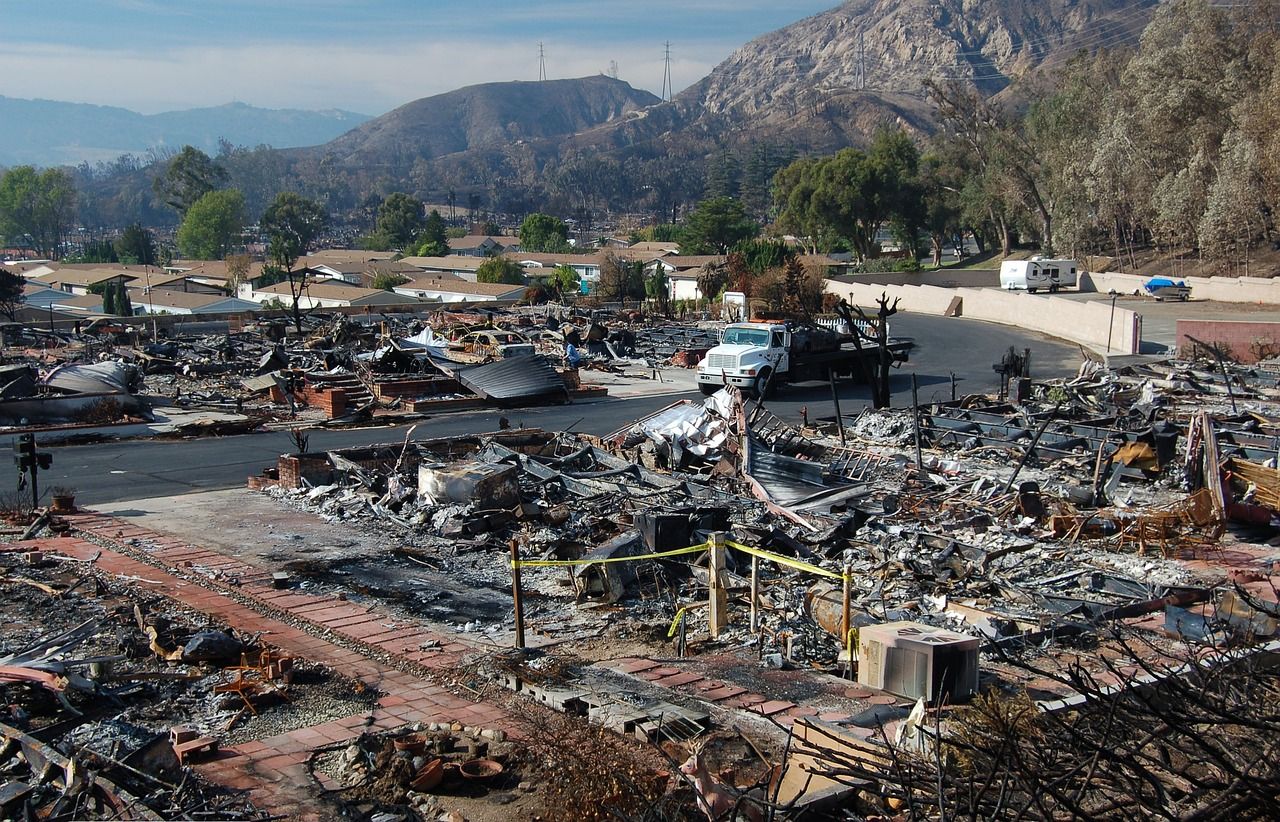

A house fire is one of the most traumatic experiences a property owner can face. In the aftermath, you’re left with not just the obvious burn damage, but a complex web of challenges including smoke residue, chemical damage from firefighting efforts, and potential structural issues. As restoration experts, we’ve helped hundreds of families navigate the restoration process, and we’re sharing our expertise to help you understand what really happens during fire damage restoration.
Different Types of Fire Mean Different Types of Damage
Every fire leaves its own unique signature. Kitchen fires, electrical fires, and furnace malfunctions each create distinct types of damage that require specific restoration approaches.
Kitchen Fires: The Protein Challenge
Kitchen fires, particularly those involving burnt food or grease, create a unique restoration challenge. When proteins burn, they leave behind a nearly invisible residue that coats everything in an extremely pungent odor. This residue is particularly difficult to remove because you can’t see it, but you can certainly smell it. It requires specialized cleaning agents and techniques that break down the protein residue at a molecular level.
Electrical Fires: Hidden Problems
Electrical fires often occur inside walls, causing extensive damage before becoming visible. The real challenge here isn’t just repairing burnt wiring – it’s tracking the fire’s path through the electrical system and identifying areas where heat may have damaged wiring without obvious external signs. This often requires removing significant sections of drywall to inspect and replace compromised wiring.
High-Heat Versus Low-Heat Fires
The temperature of the fire dramatically affects the type of damage it causes. High-heat fires often leave cleaner smoke damage but cause more structural issues. Low-heat fires that smolder can actually create more widespread smoke damage and are often more challenging to clean up, as the smoke has more time to penetrate materials.
The Truth About Smoke: It’s More Complex Than You Think
Smoke damage isn’t just about black soot on walls. Different materials create different types of smoke, each requiring its own restoration approach:
Wet Smoke (Plastic/Rubber)
When plastics and synthetic materials burn, they create thick, sticky smoke that smears easily. This type of smoke damage is particularly challenging because traditional cleaning methods can make it worse by spreading the residue deeper into surfaces.
Dry Smoke (Wood/Paper)
Fast-burning, high-temperature fires produce a dry, powdery residue. While this might seem easier to clean, the heat from these fires can cause surfaces to become extremely porous, allowing smoke to penetrate deeper than you’d expect.
Fuel Oil Soot
When furnaces malfunction, they can puff back fuel oil smoke throughout a home. This creates a unique type of damage that requires specialized cleaning agents to break down the oil-based residue.
The Hidden Dangers in Fire Restoration
Some of the most serious fire damage isn’t immediately visible. Here’s what we look for during our assessments:
Structural Compromises
Heat can compromise structural elements without leaving visible damage. Steel can weaken, concrete can become brittle, and wood can lose its structural integrity. We use specialized equipment to test material strength and identify compromised areas that might look fine to the naked eye.
Toxic Residues
Modern homes contain many synthetic materials that create toxic residues when burned. These residues can be hazardous if not properly cleaned. Professional restoration isn’t just about making your home look better – it’s about making it safe to inhabit again.
HVAC System Contamination
Your heating and cooling system can spread smoke and soot throughout your entire home, even in areas far from the fire. A thorough restoration must include professional HVAC cleaning to prevent ongoing contamination.
The Restoration Timeline: What to Expect
Fire damage restoration isn’t a quick process, but understanding the timeline helps manage expectations:
Emergency Response (Hours 0-24)
The first 24 hours are critical. We secure the property, implement emergency drying if there’s water damage from firefighting efforts, and begin debris removal. During this phase, we also identify and address any immediate safety concerns.
Assessment and Planning (Days 1-2)
We perform detailed testing to determine the extent of damage, including:
- Structural integrity evaluation
- Smoke penetration testing
- Material salvageability assessment
- HVAC system inspection
Restoration Phase (Days 3-30+)
The actual restoration timeline varies significantly based on damage extent, but typically includes:
- Structure stabilization
- Deep cleaning and decontamination
- Odor neutralization
- Rebuilding and refinishing
Innovations in Fire Restoration
Modern fire restoration uses advanced technology to improve outcomes:
Thermal Fogging
This technique recreates the conditions of the fire to help neutralize odors by allowing deodorizing agents to penetrate materials the same way smoke did.
Ultrasonic Cleaning
For salvageable items, ultrasonic cleaning can remove smoke residue from even the most intricate objects without causing damage.
Media Blasting
New environmentally-friendly blasting media allow us to clean and restore fire-damaged surfaces without the harsh chemicals traditionally used in fire restoration.
Moving Forward: After the Restoration
Recovery from fire damage extends beyond physical restoration. We work with our clients to:
- Implement improved fire prevention measures
- Install early warning systems
- Create family emergency plans
- Document restoration for insurance purposes
For immediate assistance with fire damage contact Pacific Water & Fire Restoration at +1 (503) 201-7337. Our certified restoration experts are available 24/7 to help you navigate the restoration process and return your property to its pre-fire condition.
Next week: We’ll explore the latest innovations in fire prevention technology and how they’re changing the way we protect properties.