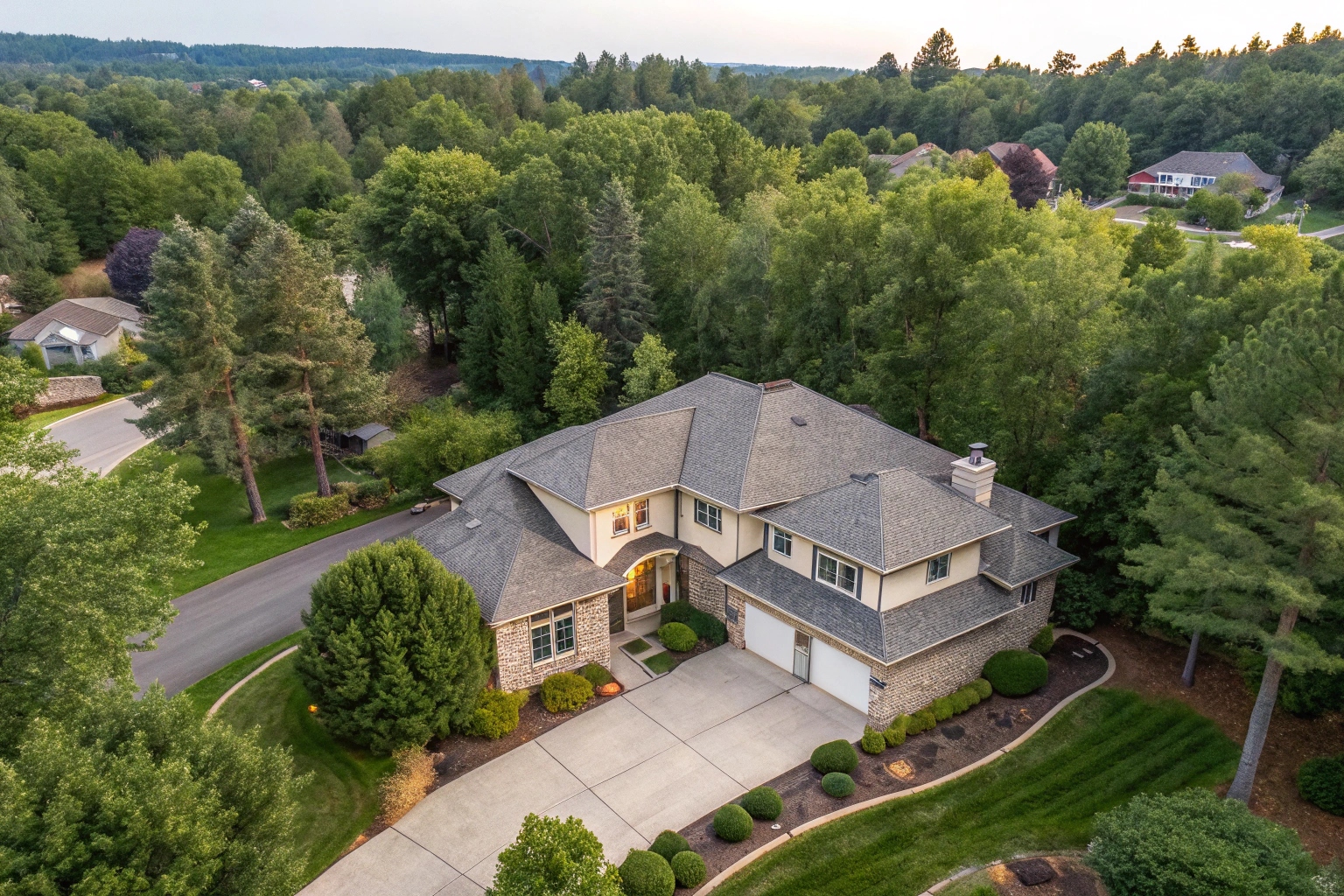


Sherwood, Oregon presents a unique study in contrasts—a rapidly growing suburban community nestled against the edge of the Chehalem Mountains and bordered by extensive forest lands. This distinctive position at the interface of urban development and natural woodlands creates both appealing aesthetics and specific challenges, particularly when it comes to wildfire risk.
At Pacific Water & Fire Restoration, we’ve worked with numerous Sherwood residents to implement preventative measures and restore properties affected by smoke and fire damage. This experience has given us valuable insights into the community’s distinct wildfire considerations and the most effective strategies for protecting homes in this woodland-urban environment.
Understanding Sherwood’s Specific Wildfire Risk Profile
Sherwood’s wildfire vulnerability stems from several geographic and development factors that create a distinctive risk landscape unlike many other Portland suburbs.
Geographic Considerations
Sherwood’s location creates specific fire vulnerabilities:
- Woodland-Urban Interface: Many neighborhoods, particularly on the southwest and western edges of the city, directly border natural forested areas
- Chehalem Mountains Proximity: The foothills along Sherwood’s western boundary create terrain that can accelerate wildfire spread
- Tualatin River National Wildlife Refuge: While providing an important buffer zone to the east, the refuge’s extensive vegetation can present fuel sources during dry periods
- Seasonal Wind Patterns: East winds during late summer and fall can rapidly drive wildfires toward populated areas
Development Patterns
The city’s growth history has shaped its wildfire vulnerability:
- Newer Developments: Neighborhoods like Woodhaven and the Sherwood Heights area feature homes built into hillsides with significant tree canopy
- Legacy Agricultural Areas: Older parts of Sherwood retain rural characteristics, sometimes with unmaintained fields that can present seasonal fire hazards
- Expanding Boundaries: Continued development at the city’s edges creates new areas where structures meet wildland vegetation
- Varied Housing Density: Housing density ranges from older, tightly packed downtown neighborhoods to larger rural-residential properties with more vegetation
Historical Context
While Sherwood has been fortunate to avoid catastrophic wildfires within city limits, several nearby events highlight the potential risk:
- The 2020 Chehalem Mountain-Bald Peak Fire burned approximately 875 acres just west of Sherwood
- The September 2020 wildfires throughout Oregon led to hazardous air quality in Sherwood for nearly two weeks
- Multiple smaller brush fires have occurred along Highway 99W and in the rural areas surrounding the city
According to data from Oregon Department of Forestry, approximately 35% of Sherwood’s perimeter falls within what fire experts classify as the “Wildland-Urban Interface” (WUI) zone—areas where homes and wildland vegetation intermingle, creating distinct wildfire challenges.
Pro Tip: Sherwood residents can sign up for emergency alerts through Washington County’s public alert system. These location-specific notifications can provide critical advance warning during wildfire events. Visit the Washington County website or text your zip code to 888-777 to register.
Wildfire Prevention for Sherwood Properties
The most effective approach to wildfire safety begins with prevention and preparation. Sherwood’s specific environment requires tailored strategies.
Creating Defensible Space
For Sherwood properties, especially those on the western and southwestern edges of the city, creating defensible space is critical:
Zone 1 (0-5 feet from home)
This immediate area around your home should be the most aggressively maintained:
- Remove all dead vegetation
- Replace mulch with non-combustible materials like stone or gravel
- Avoid wooden fences that connect directly to your home
- Remove or relocate propane tanks and firewood stacks
- Regularly clean gutters and roof of pine needles and leaves
- Consider non-combustible landscaping materials for this zone
Zone 2 (5-30 feet from home)
In this zone, vegetation should be carefully managed:
- Space trees at least 15 feet apart
- Prune lower branches up to 6-10 feet from the ground
- Keep grass cut to maximum height of 4 inches
- Create breaks in vegetation to slow potential fire spread
- Remove ladder fuels (vegetation that allows fire to climb from ground to tree canopy)
Zone 3 (30-100+ feet from home)
For Sherwood properties with larger lots, especially those backing to natural areas:
- Thin trees to create appropriate spacing
- Remove downed logs and debris
- Create fire breaks with hardscaping or low-growing, fire-resistant plants
- Maintain emergency access routes
According to the National Fire Protection Association, homes with properly maintained defensible space are up to 85% more likely to survive a wildfire, highlighting the importance of these measures for Sherwood’s woodland-adjacent properties.
Fire-Resistant Home Features
Homes in higher-risk areas of Sherwood can benefit from specific structural features:
- Roofing Materials: Class A fire-rated roofing (composite shingles, clay tiles, or metal)
- Vents and Eaves: Install 1/8-inch metal mesh screening over vents to prevent ember entry
- Decks and Porches: Use fire-resistant decking materials or create non-combustible zones beneath wooden decks
- Windows: Consider double-paned or tempered glass, particularly on sides of homes facing natural areas
- Siding Options: Fiber cement, stucco, or other fire-resistant materials rather than untreated wood
- Gutter Guards: Install guards to prevent accumulation of flammable debris
For older homes in Sherwood, retrofitting with these features during renovation can significantly improve wildfire resilience.
Landscape Considerations
Sherwood’s natural beauty can be maintained while reducing fire risk through strategic landscaping:
- Plant Selection: Choose native, fire-resistant plants like western dogwood, Oregon grape, and vine maple
- Strategic Placement: Avoid placing shrubs beneath trees or close to home foundations
- Maintenance Schedule: Establish regular maintenance routines, especially during fire season (July-October)
- Irrigation Planning: Consider installing or maintaining irrigation systems for critical defensible areas
- Hardscaping Features: Incorporate stone walls, gravel pathways, and other non-combustible features to create fire breaks
Safety Warning: During high fire danger periods, typically late summer through early fall, avoid outdoor activities that could create sparks. According to Oregon Department of Forestry data, nearly 70% of wildfires in the region are human-caused and potentially preventable.
Community Resources and City Initiatives
Sherwood has implemented several measures to address wildfire risks at the community level:
Sherwood’s Community Wildfire Protection Plan
The city has developed a comprehensive approach to wildfire risk:
- Risk Assessment: Mapping of high-risk areas, particularly along the western city boundary
- Evacuation Planning: Designated evacuation routes and protocols
- Vegetation Management: Public land maintenance schedules prioritizing high-risk areas
- Code Enforcement: Regulations regarding property maintenance in high-risk zones
- Educational Outreach: Community workshops on wildfire preparedness, typically held in spring
Fire Department Resources
Sherwood Fire Department offers several resources specifically for wildfire preparation:
- Property Assessments: Free wildfire vulnerability assessments for homeowners
- Community Presentations: Regular educational events about wildfire preparedness
- Equipment Recommendations: Guidance on home protection equipment
- Evacuation Planning: Assistance developing family evacuation plans
- Seasonal Reminders: Public outreach during high-risk periods
Neighborhood Programs
Several Sherwood neighborhoods have implemented community-level approaches:
- Neighborhood Watch Extensions: Some areas have expanded traditional Neighborhood Watch programs to include wildfire vigilance
- Community Work Days: Coordinated vegetation management efforts in shared spaces
- Tool Lending: Equipment sharing for defensible space maintenance
- Vulnerable Resident Support: Programs to assist elderly or disabled residents with preparation
- Communication Networks: Text alert systems for specific neighborhoods
Case Study: Arrow Wood Estates Community Approach
The Arrow Wood Estates neighborhood, situated along Sherwood’s western edge adjacent to forest land, implemented a community-wide wildfire preparation program after the 2020 Chehalem Mountain fire came within two miles of homes:
- Coordinated Assessment: The neighborhood association arranged for Sherwood Fire Department to conduct property-by-property assessments, creating individualized recommendations.
- Shared Resources: Residents pooled resources to rent specialized equipment for larger tree maintenance and brush clearing, significantly reducing individual costs.
- Buffer Zone Creation: Working with adjacent property owners, the community established a 100-foot maintained buffer zone along the forest boundary.
- Communication System: A neighborhood-specific text alert system was implemented to supplement city and county emergency notifications.
- Annual Preparation Day: The community established an annual spring preparation day focused on clearing potential fuel sources before fire season.
This coordinated approach has been recognized by local fire officials as a model for other woodland-adjacent neighborhoods in the Sherwood area.
Emergency Response: When Wildfire Threatens
Despite the best preventative efforts, wildfire threats can still arise, especially during Oregon’s increasingly intense fire seasons. Knowing how to respond can save lives and protect property.
Evacuation Preparation
Sherwood residents, particularly those in western neighborhoods, should prepare for potential evacuation:
- Go Bag Essentials:
- Important documents (insurance policies, identification, medical records)
- Medications and prescriptions
- Cell phone chargers and battery backups
- Change of clothes
- Basic toiletries
- First aid supplies
- Pet essentials if applicable
- Evacuation Routes:
- Know primary and alternate evacuation routes from your neighborhood
- Have paper maps available (don’t rely solely on digital navigation)
- Identify multiple destinations where you could temporarily relocate
- Plan for family reunification if separated
- Home Preparation Before Leaving:
- Close all windows and doors
- Remove flammable items from around the home
- Turn off gas at the meter
- Leave lights on so firefighters can see your house in smoky conditions
- Place a ladder against the house for firefighters to access your roof
Fire Defense When Evacuation Is Not Immediate
If there is time before evacuation becomes necessary:
- Move flammable furniture to the center of rooms away from windows
- Block attic and ground vents with commercial seals or plywood
- Turn off HVAC systems to prevent drawing smoke inside
- Connect garden hoses and fill containers with water for firefighters to use
- Wet down roof and areas immediately around home if possible
After the Fire: Dealing with Smoke and Fire Damage
Even homes not directly impacted by flames can sustain significant smoke damage. At Pacific Water & Fire Restoration, our approach to post-wildfire restoration involves:
- Comprehensive Assessment: Evaluating both obvious and hidden smoke damage, including HVAC systems, insulation, and structural components
- Air Quality Testing: Measuring particulate levels and harmful compounds that may linger after a fire
- Structural Cleaning: Using specialized techniques and equipment to remove soot from all surfaces
- Content Processing: Cleaning and deodorizing belongings, including sensitive items like electronics and documents
- HVAC Cleaning: Thoroughly cleaning ductwork and HVAC components to prevent recirculation of smoke particles
- Odor Neutralization: Employing advanced techniques like thermal fogging or hydroxyl treatment to eliminate smoke odors
- Reconstruction Services: Repairing or rebuilding damaged structural elements
Pro Tip: Document all smoke and fire damage thoroughly with photos and video before cleaning begins. This documentation is invaluable for insurance claims, even for smoke damage from fires that didn’t directly reach your property.
Insurance Considerations for Sherwood Homeowners
Understanding your insurance coverage before a wildfire occurs is critical, especially for homes in Sherwood’s woodland-adjacent neighborhoods:
- Coverage Review: Standard homeowners policies typically cover fire damage, but coverage limits and deductibles vary significantly
- Inventory Documentation: Maintain a detailed home inventory with photos and value estimates
- Additional Living Expenses: Understand your policy’s provisions for temporary housing if your home is uninhabitable
- Smoke Damage Coverage: Confirm that your policy covers smoke damage even if flames don’t reach your property
- Landscaping Coverage: Many policies have limited coverage for trees, shrubs, and landscaping
According to insurance industry data, the average fire damage claim in Oregon exceeds $50,000, but claims from total losses can easily reach several hundred thousand dollars, highlighting the importance of adequate coverage.
Climate Change Implications for Sherwood
Climate projections suggest Sherwood may face increased wildfire challenges in coming decades:
- Extended Fire Seasons: Fire seasons are projected to start earlier and end later
- Drier Conditions: More frequent drought periods may increase vegetation vulnerability
- Changing Forest Health: Stressed forest ecosystems may be more susceptible to disease and fire
- More Extreme Events: While average conditions may change gradually, the frequency of extreme fire weather is projected to increase more rapidly
These projections underscore the importance of long-term planning and investment in both property-level and community-wide fire resilience measures.
Conclusion: Building a Fire-Resilient Sherwood
Sherwood’s position at the boundary between suburban development and natural forest creates both distinctive character and specific responsibilities for wildfire preparedness. The community’s approach demonstrates how understanding local conditions, implementing appropriate preventative measures, and preparing for emergencies can create resilience even in vulnerable areas.
At Pacific Water & Fire Restoration, we’re committed to helping Sherwood property owners navigate the challenges of this woodland-urban environment—both in preventing wildfire damage and providing expert restoration services when needed.
Take Action Today
Don’t wait until smoke is visible on the horizon to address potential wildfire vulnerabilities:
- Emergency Response: For immediate fire or smoke damage, call our 24/7 emergency line at 503-201-7337
- Preventative Assessment: Schedule a free property evaluation to identify potential vulnerabilities and develop mitigation strategies
- Restoration Consultation: If you’ve experienced smoke or fire damage in the past, our specialists can help identify and address lingering issues
Remember, in Sherwood’s unique environment where forest meets city, wildfire preparedness isn’t just about protecting your property—it’s about preserving the woodland character that makes this community special.
Pacific Water & Fire Restoration serves the entire Portland metro area, including Sherwood, Tualatin, Tigard, and surrounding communities. Our IICRC-certified professionals are available 24/7 for emergency response to fire, smoke, water, and storm damage. Contact us at 503-201-7337 or visit our website to learn more about our comprehensive restoration services.