
Introduction: Why Disaster Preparedness Matters in Hillsboro
As Oregon’s tech hub and home to industry giants like Intel, Nike, and numerous data centers, Hillsboro faces unique challenges when it comes to natural disasters. The city’s blend of high-tech infrastructure, residential neighborhoods, and proximity to the Coast Range creates specific vulnerabilities that require thoughtful preparation.
Recent climate trends have increased the frequency and severity of natural disasters across Oregon. According to the Oregon Department of Emergency Management, over 70% of households lack comprehensive disaster plans, leaving them vulnerable when emergencies strike. For Hillsboro residents and businesses, preparing for these events isn’t just prudent—it’s essential for protecting both physical assets and critical digital infrastructure.
At Pacific Water & Fire Restoration, we’ve helped countless Hillsboro property owners recover from disaster damage. This comprehensive guide will help you understand local risks, prepare effectively, respond appropriately during emergencies, and navigate the recovery process to restore both property and peace of mind.
Understanding Hillsboro’s Unique Disaster Profile
Tech Infrastructure Vulnerabilities
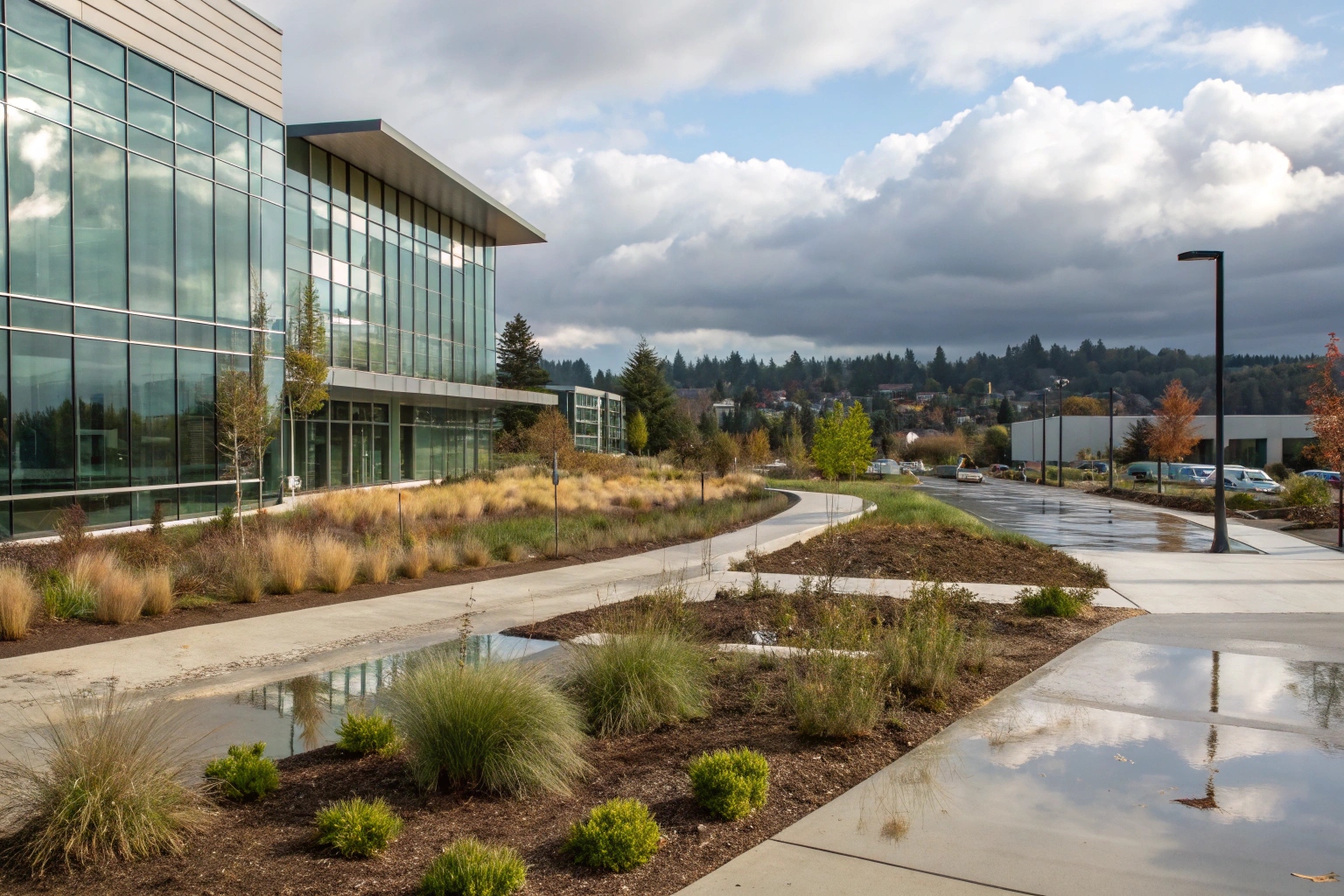
Hillsboro’s concentration of data centers, semiconductor facilities, and tech campuses creates specialized concerns:
- Power dependency: Critical operations require consistent electricity
- Cooling system requirements: Specialized equipment needs climate control
- Data protection: Physical threats to digital assets
- Supply chain disruptions: Impact on manufacturing and distribution
- Workforce displacement: Business continuity challenges
Specific Natural Disaster Risks
Flooding Concerns
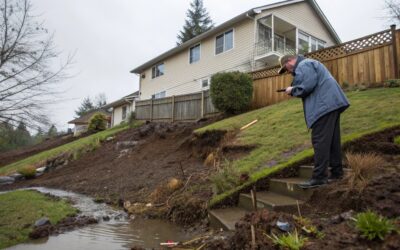
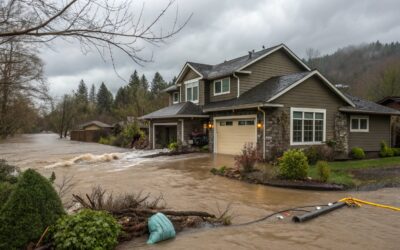
Hillsboro’s location in the Tualatin Valley makes certain areas prone to flooding:
- Dairy Creek and Rock Creek watersheds experience periodic flooding
- Urban development has increased impervious surfaces, heightening runoff
- Winter storms often bring heavy precipitation to the area
- Stormwater system capacity can be overwhelmed during extreme events
Wildfire Threats
While less immediate than in some Oregon communities, wildfire risks still exist:
- Western periphery borders more forested areas
- Smoke impacts from distant fires affect air quality and operations
- Drought conditions in recent summers increase regional risk
- Wind patterns can rapidly change threat levels
Winter Storm Considerations
Hillsboro’s winter weather creates specific hazards:
- Ice storms can damage power infrastructure critical for tech operations
- Tree damage from ice accumulation threatens properties and power lines
- Transportation disruptions impact workforce mobility
- Pipe freezing is common in both residential and commercial buildings
Earthquake Preparedness
Oregon’s position along the Cascadia Subduction Zone means Hillsboro must prepare for significant seismic events:
- Liquefaction potential in valley floor areas
- Infrastructure vulnerability in older buildings
- Critical utility disruption potentially lasting weeks
- Regional impacts affecting supply chains and recovery resources
Before Disaster Strikes: Creating Your Preparedness Plan
Essential Emergency Supplies
Every Hillsboro home and business should maintain emergency kits including:
- Water (one gallon per person per day for at least three days)
- Non-perishable food (minimum three-day supply)
- Battery-powered or hand-crank radio with NOAA weather alerts
- Flashlights and extra batteries
- First aid supplies
- Whistle to signal for help
- Dust masks, plastic sheeting, and duct tape for sheltering in place
- Moist towelettes, garbage bags, and plastic ties for sanitation
- Wrench or pliers to turn off utilities
- Manual can opener
- Local maps
- Cell phone with chargers and backup battery
- Prescription medications and glasses
- Infant formula and diapers if needed
- Pet food and extra water for pets
- Cash or traveler’s checks
- Important family documents in waterproof container
Pro Tip: For Hillsboro’s tech professionals: Consider including portable battery backups for essential devices and secure digital backups of critical documents.
Technology Considerations for Hillsboro Residents
Given Hillsboro’s tech-centered economy, digital preparedness is essential:
- Maintain cloud backups of important documents and photos
- Configure automatic offline backups for critical systems
- Document hardware configurations and software licenses
- Establish communication alternatives when networks fail
- Create redundancy plans for essential online services
- Secure physical technology with surge protectors and waterproof storage
Property Protection Measures
Taking proactive steps can significantly reduce potential damage:
For Flood Protection:
- Evaluate your property’s flood risk using FEMA flood maps
- Install check valves in plumbing to prevent backups
- Elevate critical utilities and electronics
- Consider waterproofing basement walls
- Maintain proper drainage around foundation
- Have sump pumps with battery backups ready
For Wildfire Preparation:
- Create defensible space by clearing vegetation within 30 feet of structures
- Use fire-resistant building materials when possible
- Clean gutters regularly to remove flammable debris
- Keep firewood and combustibles away from buildings
- Screen vents and openings to prevent ember entry
For Winter Storm Readiness:
- Insulate pipes in unheated areas
- Allow faucets to drip during extreme cold
- Keep gutters clean to prevent ice dams
- Trim trees to remove weak branches near structures
- Have alternative heating sources ready (with proper ventilation)
Documentation & Insurance Considerations
Before disaster strikes, properly document your property:
- Maintain a detailed inventory of possessions with photos/videos
- Store important documents in waterproof containers
- Keep digital backups of critical records
- Review insurance policies for adequate coverage
- Understand specific policy exclusions for different disaster types
Important Insurance Note: Standard homeowners policies often exclude or limit coverage for flood damage and may have specific deductibles for windstorm or earthquake damage. Consider supplemental policies for comprehensive protection.
During a Disaster: Immediate Response Actions
Safety First: Evacuation Protocols
When disaster threatens, knowing when and how to evacuate is crucial:
- Follow all emergency official instructions immediately
- Have multiple evacuation routes planned in advance
- Establish family/team meeting places outside the affected area
- Keep emergency contact information readily available
- Have a communication plan for family members or employees
Hillsboro Evacuation Resources:
- Sign up for Washington County emergency alerts at WC-Alert
- Monitor local news stations and emergency radio broadcasts
- Review evacuation routes at Hillsboro Emergency Management
Protecting Your Property When Time Allows
If you have advance warning and it’s safe to do so:
For Approaching Floods:
- Move valuable items to higher levels
- Place sandbags in strategic locations
- Turn off electricity at the breaker
- Disconnect appliances and move to higher ground
- Secure outdoor items that could be swept away
Before Winter Storms:
- Insulate exposed pipes
- Clear rain gutters and downspouts
- Trim tree branches that could damage property
- Secure outdoor items
- Have snow removal tools ready
- Fill vehicles with fuel and park away from trees
For Power Outage Preparation:
- Turn refrigerators and freezers to coldest settings
- Prepare backup power for critical medical devices
- Identify charging options for essential devices
- Unplug sensitive electronics to prevent surge damage when power returns
After Disaster Strikes: The Recovery Process
Immediate Assessment and Safety Checks
Before returning to your property:
- Wait for official clearance to return
- Check for structural damage before entering
- Be alert for gas leaks, electrical hazards, and contaminated water
- Document all damage with photos and videos before beginning cleanup
- Contact your insurance company promptly
Safety Warning: Never enter a building that appears structurally unsound. If you smell gas, detect electrical issues, or suspect contaminated water, contact professionals immediately.
The Restoration Timeline: What to Expect
Understanding the restoration process helps manage expectations:
Phase 1: Emergency Response (24-48 hours)
- Property assessment and safety evaluation
- Water extraction and debris removal
- Board-up and tarping services
- Initial drying equipment placement
- Temporary structural supports if needed
- Emergency power and security provisions
Phase 2: Mitigation (3-7 days)
- Complete water removal
- Thorough cleaning and disinfection
- Removal of unsalvageable materials
- Continued drying and dehumidification
- Odor treatment
- Engineering evaluations if needed
Phase 3: Restoration (Varies by damage extent)
- Structural repairs
- Replacement of damaged materials
- Reconstruction of affected areas
- Systems testing and verification
- Final cleaning and detailing
- Property returned to pre-loss condition
Working With Insurance and Restoration Professionals
Navigating insurance claims and restoration work:
- File claims promptly with detailed documentation
- Maintain a log of all communications with insurance
- Get multiple estimates for restoration work
- Verify credentials of all restoration professionals
- Understand the scope of work before approving
- Request regular updates throughout the process
Pro Tip: At Pacific Water & Fire Restoration, we can work directly with your insurance company to streamline the claims process, providing detailed documentation, estimates, and professional assessment to ensure you receive appropriate coverage.
Special Considerations for Hillsboro Properties
High-Tech Home Restoration Challenges
Hillsboro’s tech-savvy residents often have homes with advanced systems:
- Smart home technology may require specialized restoration
- Home networks and servers need proper assessment
- Energy-efficient systems have specific restoration protocols
- Modern construction materials may need specialized drying techniques
Commercial and Tech Facility Considerations
For Hillsboro’s numerous businesses and tech facilities:
- Clean room environments require specialized restoration
- Electronic equipment needs professional assessment
- Data security during restoration is critical
- Business continuity planning affects restoration priorities
- Employee safety and communication throughout process
Learning From Local Experience: Hillsboro Case Studies
February 2021 Ice Storm Response
When Hillsboro experienced severe ice storms in February 2021, our team:
- Responded to multiple pipe burst emergencies in tech office parks
- Implemented rapid water extraction to protect sensitive equipment
- Used advanced structural drying techniques to prevent secondary damage
- Coordinated with IT teams to protect digital assets during restoration
- Restored facilities to operational status within critical timeframes
Summer Flash Flooding Recovery
Following localized flash flooding in Hillsboro neighborhoods:
- Comprehensive basement water extraction and sanitization
- Specialized drying of finished basement spaces
- Document and media recovery for affected homeowners
- Mold prevention protocols implemented
- Successful insurance claim assistance for multiple properties
Building Long-Term Resilience: Beyond Basic Recovery
Community Resources in Hillsboro
Hillsboro offers several resources to help residents prepare and recover:
- Hillsboro Emergency Management provides preparedness workshops
- Community CERT (Community Emergency Response Team) training
- Neighborhood association emergency planning
- Local contractor referral networks for preventative improvements
- Utility assistance programs for disaster-affected residents
Creating a More Resilient Property
As you rebuild, consider these improvements:
- Install impact-resistant roofing materials
- Upgrade to water-resistant flooring options
- Consider seismic retrofitting for older structures
- Install backwater valves for flood protection
- Upgrade insulation for better energy efficiency
- Consider weather-resistant exterior materials
- Implement smart water detection systems
- Install whole-home surge protection
Conclusion: Tech Hub Resilience for the Future
Hillsboro’s position as Oregon’s technology center makes disaster preparedness particularly critical. When natural disasters strike, the impacts extend beyond physical damage to affect the digital infrastructure that powers our modern economy.
By understanding Hillsboro’s specific risks, taking proactive preparedness measures, knowing how to respond during emergencies, and having a restoration plan ready, you can significantly reduce both the impact and recovery time when disasters occur.
At Pacific Water & Fire Restoration, we’ve helped countless Hillsboro residents and businesses recover from water, fire, storm, and mold damage. Our IICRC-certified professionals understand both the technical aspects of property restoration and the unique needs of Hillsboro’s residential and commercial properties.
Remember that preparedness is an ongoing process. Review your emergency plans regularly, update your supplies, and continue to make improvements to your property. With each step you take, you’re building resilience for whatever challenges nature may bring to Oregon’s technology hub.
Next Steps: How We Can Help
For Immediate Emergency Response: Call our 24/7 emergency line at 503-201-7337
For Preventative Assessments:
- Schedule a free property evaluation
- Request our detailed emergency preparedness guide
- Sign up for our seasonal maintenance reminder service
- Consult with our experts about specific property concerns
For Restoration Services:
- Water damage extraction and drying
- Fire and smoke damage restoration
- Mold remediation and prevention
- Storm damage repair
- Content cleaning and restoration
- Structural drying and repairs
- Electronic equipment assessment
- Commercial facility restoration
Don’t wait until disaster strikes. Contact Pacific Water & Fire Restoration today at 503-201-7337 or visit PacificWaterAndFireRestoration.com to schedule your free consultation and take the first step toward a more resilient property.
Pacific Water & Fire Restoration is a full-service restoration company serving the Portland metro area, including Hillsboro and surrounding communities. Our team is available 24/7 for emergency response, and all our technicians are IICRC certified professionals. We work directly with insurance companies to make the recovery process as smooth as possible for our clients.