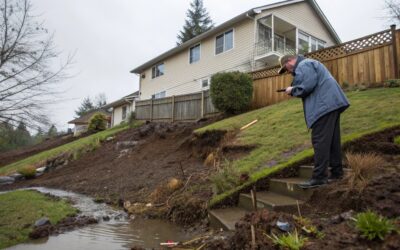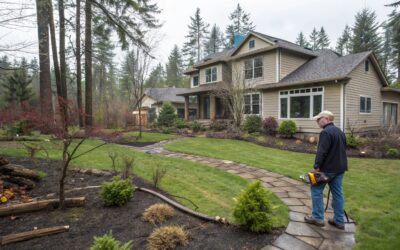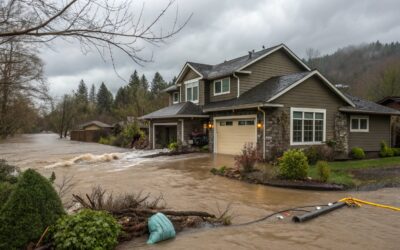

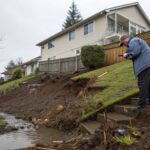

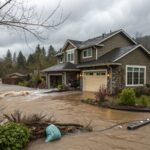
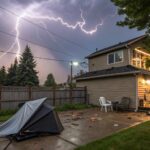
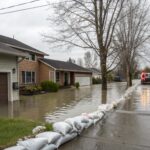
When property damage occurs, proper documentation can make the difference between a smooth insurance claim and a frustrating ordeal. As Portland’s experienced restoration professionals, we’ve guided countless property owners through the claims process. Here’s your comprehensive guide to documenting property damage effectively for insurance claims.
The Critical First 48 Hours
Immediate Documentation Steps
- Safety Assessment
- Document unsafe conditions
- Note any immediate safety measures taken
- Record date and time of incident
- Photograph warning signs or barriers installed
- Initial Photo Documentation
- Capture wide shots of affected areas
- Take close-up photos of specific damage
- Include reference objects for scale
- Document all affected rooms/spaces
- Emergency Measures
- Record any immediate actions taken
- Document temporary repairs
- Keep receipts for emergency services
- Note time and date of emergency response
Pro Tip: Use your smartphone’s timestamp feature when taking photos, or create a simple sign showing the date and time to include in photos.
Essential Documentation Components
Visual Documentation
- Photographs from multiple angles
- Video walkthrough with narration
- Before and after shots of affected areas
- Sequential photos showing damage progression
- Aerial or elevated shots for roof damage
Written Documentation
- Detailed incident description
- Timeline of events
- List of affected items
- Damage scope notes
- Communication logs
- Weather reports (if relevant)
Financial Records
- Emergency service receipts
- Temporary housing costs
- Business interruption evidence
- Replacement cost estimates
- Repair quotes
- Previous maintenance records
Digital Documentation Tools
Recommended Apps
- Notes apps with photo integration
- Cloud storage solutions
- Project management tools
- Weather documentation apps
- PDF scanners for receipts
Organization Systems
- Create digital folders by date
- Use consistent file naming
- Back up all documentation
- Share access with authorized parties
- Maintain version control
Common Portland-Specific Considerations
Weather-Related Documentation
- Rain accumulation data
- Wind speed records
- Temperature logs
- Storm warnings
- Seasonal conditions
Regional Factors
- Local building codes
- Seismic considerations
- Flood zone documentation
- Historical property records
- Environmental factors
Working with Insurance Adjusters
Communication Best Practices
- Keep detailed conversation logs
- Follow up emails after phone calls
- Document site visits
- Record inspection findings
- Maintain timeline of interactions
Supporting Documentation
- Property value assessments
- Recent improvements
- Maintenance records
- Previous claims history
- Professional evaluations
Professional Documentation Services
When to Seek Help
- Large-scale damage
- Complex claims
- Commercial properties
- Historic buildings
- Multiple affected areas
Expert Resources
- Professional photographers
- Structural engineers
- Licensed contractors
- Public adjusters
- Legal consultants
Special Considerations for Commercial Properties
Additional Documentation Needs
- Business interruption evidence
- Employee impact records
- Customer communication logs
- Vendor notifications
- Regulatory compliance
Business Recovery Planning
- Timeline projections
- Resource allocation
- Staff requirements
- Equipment needs
- Operational adjustments
Documentation Storage and Access
Digital Storage
- Cloud-based systems
- Local backups
- Encrypted files
- Access controls
- Regular updates
Physical Storage
- Fireproof safe
- Multiple copies
- Offsite storage
- Waterproof containers
- Organized filing system
Common Documentation Mistakes to Avoid
Don’t Forget to Document:
- Hidden damage
- Indirect losses
- Timeline details
- Communication history
- Prevention efforts
Avoid These Errors:
- Incomplete photos
- Missing receipts
- Delayed documentation
- Poor organization
- Limited access sharing
Creating a Documentation Plan
Pre-Incident Preparation
- Establish documentation protocols
- Set up storage systems
- Train key personnel
- Gather baseline documentation
- Review insurance requirements
Post-Incident Actions
- Implement documentation plan
- Follow established protocols
- Maintain organized records
- Update as needed
- Share with authorized parties
Professional Support and Resources
At Pacific Water & Fire Restoration, we understand the importance of proper documentation for insurance claims. Our team can help:
- Guide you through documentation requirements
- Provide professional damage assessment
- Assist with claims documentation
- Offer expert testimony if needed
- Coordinate with insurance adjusters
Emergency Response Protocol
When disaster strikes, follow these steps:
- Ensure safety first
- Contact emergency services if needed
- Document initial damage
- Call us at 503-201-7337
- Begin organized documentation process
Next Steps for Property Owners
Take action today to prepare for potential claims:
- Review your current documentation system
- Set up digital storage solutions
- Create documentation protocols
- Gather baseline property documentation
- Store emergency contact information
Need Professional Assistance?
- Call us 24/7 at 503-201-7337
- Schedule a documentation consultation
- Request our claims preparation guide
- Sign up for our property protection updates
Remember, thorough documentation is your best defense against claim disputes. Start improving your documentation practices today, and rest easier knowing you’re prepared for whatever challenges arise.
For immediate assistance with property damage or documentation guidance, contact Pacific Water & Fire Restoration at 503-201-7337. Our certified professionals are available 24/7 to help protect and restore your Portland property.