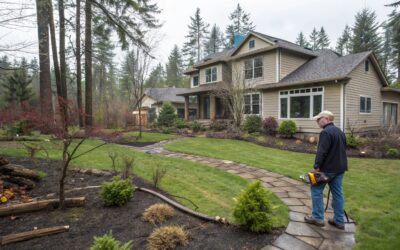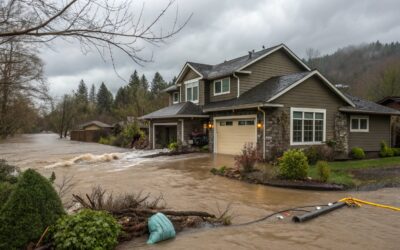
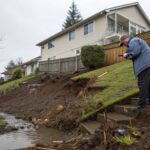

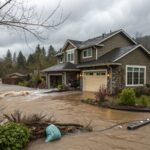
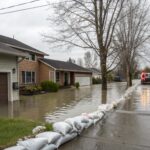
The scenic beauty of Ridgefield, Washington—with its rolling hills, bluffs overlooking the Columbia River, and varied topography—creates a stunning backdrop for homeowners. However, these same geographical features, combined with the Pacific Northwest’s signature rainfall, create potential landslide hazards that residents should understand and prepare for. At Pacific Water & Fire Restoration, we’ve helped numerous Clark County homeowners recover from landslide damage, and we’ve learned that knowledge and preparation are the most effective forms of protection.
Understanding Landslide Risks in Ridgefield
Ridgefield’s unique geology and topography create specific landslide vulnerabilities that homeowners should be aware of:
Geological Factors Contributing to Landslide Risk
- Steep Slopes: Many Ridgefield properties are built on or near slopes exceeding 15 degrees
- Underlying Geology: Layered sedimentary deposits and clay soils that become unstable when saturated
- Weathered Bedrock: Areas with decomposed rock that can lose strength during prolonged rainfall
- Previous Landslides: Areas with historical slides are prone to future movement
- River Bluffs: Properties along the Columbia and Lewis River bluffs face particular erosion challenges
- Human Modifications: Excavations, improper drainage, and vegetation removal can destabilize slopes
According to Clark County’s Geohazard mapping, approximately 18% of Ridgefield’s residential areas have moderate to high landslide susceptibility, with particular concentration in neighborhoods along the Lake River, near Allen Canyon, and in developing areas north of Pioneer Street.
The Connection Between Rainfall and Landslides
The Pacific Northwest’s climate plays a significant role in landslide triggering:
How Heavy Rains Increase Landslide Risk
- Soil Saturation: Prolonged rainfall saturates soils, increasing their weight and reducing cohesion
- Groundwater Changes: Rising groundwater pressure reduces soil stability
- Surface Erosion: Heavy runoff can undercut slopes and remove supporting material
- Hydrostatic Pressure: Water accumulation behind retaining structures increases failure potential
Research from Washington Department of Natural Resources indicates that most damaging landslides in Clark County occur after rainfall exceeding 5 inches within a 72-hour period, especially following prolonged wet seasons that have already saturated the ground.
Warning Signs of Potential Landslides
Recognizing early indicators can provide crucial time for protective actions:
- New cracks or unusual bulges in the ground or street pavement
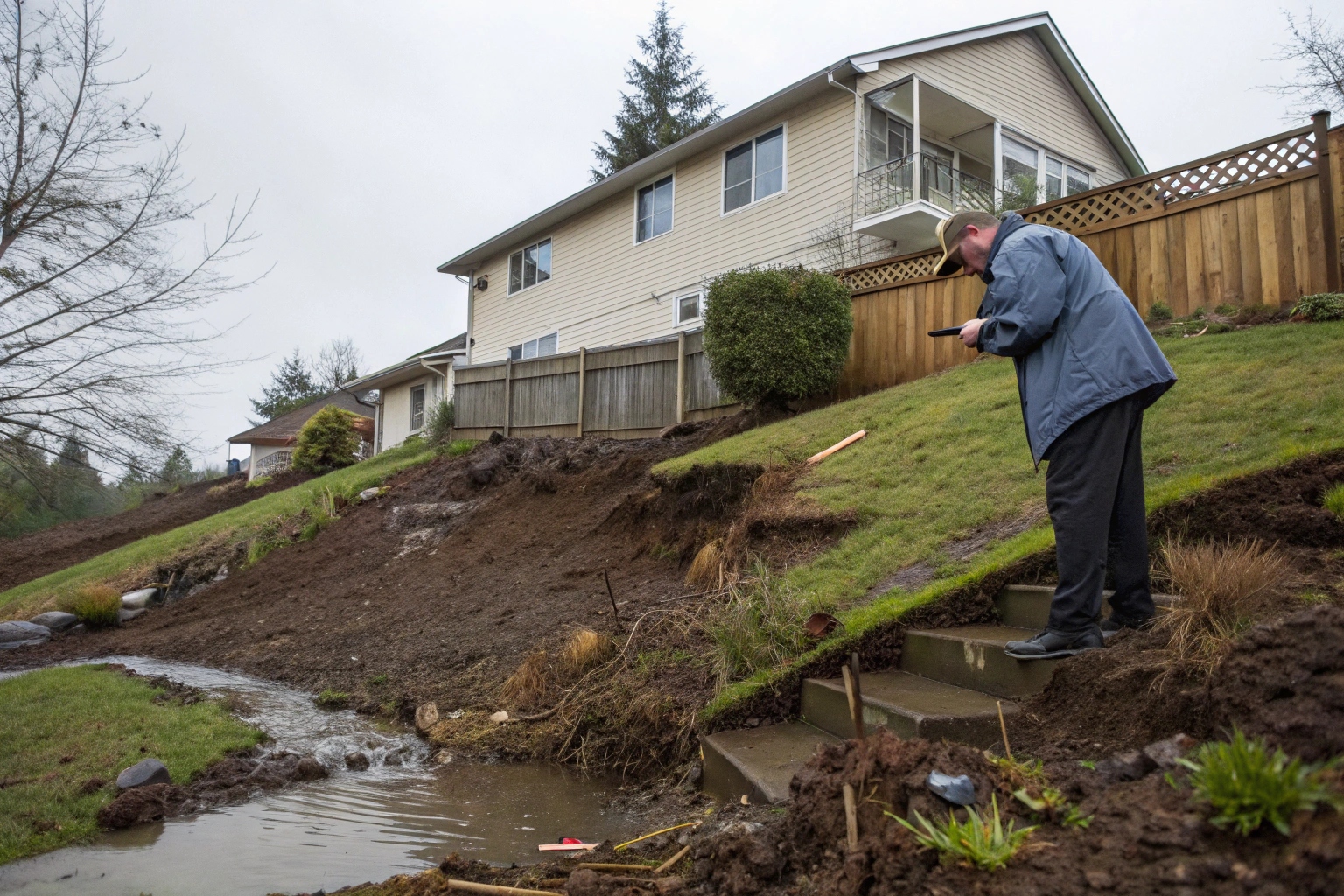
- Soil moving away from foundations or tilting of concrete floors
- Broken water lines or other underground utilities
- Leaning trees, utility poles, or retaining walls
- Subtle, gradual tilting of walls, fences, or trees over weeks or months
- Doors or windows suddenly becoming difficult to open or close
- Rapid increase in creek or stream water levels, potentially with increased turbidity
- Sudden decrease in creek or stream water levels though rain is still falling
- Sound of trees cracking or boulders knocking together
- Unusual sounds like rumbling that increase or decrease in volume with rainfall intensity
Pro Tip: Create a photographic baseline of your property, especially any retaining walls, slopes, and drainage features. Regular comparison photos can help identify slow changes that might otherwise go unnoticed.
Assessing Your Property’s Landslide Risk
Not all Ridgefield properties face the same level of risk. Evaluate your vulnerability by considering:
Geographic Risk Factors
- Slope Steepness: Properties on slopes greater than 15 degrees face elevated risk
- Proximity to Bluffs or Ravines: Homes within 50 feet of bluff edges or ravine tops require particular attention
- Drainage Patterns: Areas where water naturally concentrates during rainfall events
- Vegetation Coverage: Sparsely vegetated slopes offer less soil stabilization
- Previous Slide Areas: Properties in or below historically active slide zones
Property-Specific Vulnerabilities
- Foundation Type: Slab foundations may show cracking from soil movement more readily than some other types
- Drain System Effectiveness: Properly functioning drainage is critical in landslide-prone areas
- Retaining Wall Condition: Aging or improperly designed walls may fail during heavy rainfall
- Fill Areas: Properties built on artificially filled land may be more susceptible to settlement and sliding
- Vegetation Management: Improper tree removal can reduce slope stability
Pro Tip: Clark County’s GIS department maintains landslide hazard maps accessible to Ridgefield residents. Schedule a free consultation with Pacific Water & Fire Restoration to help interpret these maps for your specific property.
Essential Preparation Steps for Ridgefield Homeowners
1. Professional Assessment
Consider these professional evaluations for at-risk properties:
- Geotechnical Engineering Evaluation: Provides detailed analysis of slope stability and recommendations
- Drainage Assessment: Identifies potential drainage improvements to enhance slope stability
- Structural Inspection: Evaluates foundations, retaining walls, and other structures for early warning signs
- Arborist Consultation: For properties where tree management may impact slope stability
2. Drainage Improvements
Proper water management is the single most effective landslide prevention measure:
- Downspout Extensions: Direct roof runoff at least 10 feet away from foundations and slopes
- French Drains: Install subsurface drainage systems to intercept and redirect groundwater
- Surface Water Collection: Implement swales and catchment areas to control runoff
- Slope Drains: Install pipes to safely transport water down steep slopes
- Regular Maintenance: Keep all drainage systems clear of debris and functioning properly
3. Slope Stabilization Techniques
For properties with identified risk factors, consider these stabilization methods:
- Retaining Walls: Professionally engineered walls for slopes showing signs of instability
- Terracing: Breaking long slopes into shorter, more stable segments
- Erosion Control Matting: Temporary protection while vegetation establishes
- Biotechnical Stabilization: Combining plants with structural elements for reinforcement
- Soil Nailing: For more severe cases, mechanical reinforcement of failing slopes
Safety Warning: Improperly designed retaining walls can actually increase landslide risk by adding weight to slopes or creating dangerous water pressure. Always consult with qualified engineers for walls exceeding 4 feet in height.
4. Vegetation Management
Strategic plant selection and maintenance enhances slope stability:
- Deep-Rooted Native Species: Plants like Oregon grape, salal, and sword fern help bind soil
- Avoid Overwatering: Minimize landscape irrigation on or above slopes
- Maintain Ground Cover: Keep slopes covered with appropriate vegetation
- Thoughtful Tree Management: Consult professionals before removing trees on slopes
- Invasive Species Control: Remove shallow-rooted invasives like English ivy that can mask slope problems
5. Create an Emergency Plan
Preparation ensures quick action when landslide risk increases:
- Establish evacuation routes and family meeting locations
- Prepare an emergency kit with essential supplies
- Create a communication plan for family members
- Maintain a list of emergency contacts including neighbors, family, and authorities
- Document valuable possessions with photos and video
- Review insurance coverage (standard homeowners policies typically exclude landslide damage)
Insurance Considerations for Ridgefield Homeowners
Standard homeowners insurance typically excludes landslide damage. Consider these essential insurance steps:
- Investigate specialized “Difference in Conditions” policies that cover landslides
- Understand that flood insurance does not typically cover landslide damage
- Document pre-existing conditions with comprehensive photos and videos
- Maintain records of all professional assessments and improvement work
- Review coverage annually as landslide risk factors may change
- Consider coverage for temporary housing if your home becomes uninhabitable
According to insurance industry data, the average cost of landslide damage to a residential property in Washington State exceeds $85,000, with many claims in the Clark County area ranging from $25,000 to over $400,000 depending on severity.
During Heavy Rainfall: Monitoring and Safety Protocols
When heavy rains threaten Ridgefield properties:
Active Monitoring
- Check drainage systems daily during heavy rainfall events
- Observe slopes for any changes in appearance or new water seepage
- Monitor nearby streams for rapid water level changes
- Watch for new cracks in the ground, foundations, or walls
- Listen for unusual sounds that might indicate earth movement
Safety Precautions
- Stay Alert and Awake: Most landslide fatalities occur when people are sleeping
- Listen for Unusual Sounds: Cracking trees, knocking boulders, or rumbling noises
- Watch for Changes: Sudden increases or decreases in water flow, or water muddying
- Be Especially Vigilant: During intense rainfall periods, particularly after prolonged wet weather
- Consider Temporary Relocation: If your home has shown multiple warning signs
Emergency Contact: If you believe a landslide is imminent, evacuate immediately and call 911. For non-emergency concerns, contact Clark County Emergency Management at their non-emergency number.
After the Rain: Property Assessment and Damage Mitigation
Once heavy rainfall subsides:
1. Safety Assessment
- Check for structural damage to foundations, retaining walls, and supporting structures
- Look for new cracks in the ground, patios, driveways, or buildings
- Evaluate drainage systems for proper function or damage
- Assess trees on slopes for leaning or root exposure
- Verify utility connections for any disruption or damage
2. Documentation
- Photograph any visible changes to your property
- Document apparent movement with measurements if possible
- Record dates and approximate rainfall amounts
- Keep a log of all observations and changes
- Take photos from the same position over time to track subtle changes
3. Professional Evaluation
If you notice concerning changes, consult:
- Geotechnical engineers for slope stability assessment
- Structural engineers for building impact evaluation
- Drainage specialists for water management improvements
- Foundation experts for repair recommendations
- Landscaping professionals for vegetation management
Professional Restoration and Mitigation Services
When landslides or earth movement affects Ridgefield properties, professional restoration services provide essential recovery:
- Structural Stabilization: Emergency shoring and support of compromised buildings
- Water Damage Restoration: Addressing flooding or moisture intrusion from compromised buildings
- Debris Removal: Safe clearing of landslide materials
- Drainage Correction: Re-establishing proper water management
- Foundation Repair: Addressing damage to structural elements
- Slope Reconstruction: Rebuilding and stabilizing affected areas
- Erosion Control: Preventing further soil loss
- Landscape Restoration: Replanting stabilizing vegetation
Pro Tip: Documenting all restoration work with photographs and professional reports helps protect property value and may be necessary for future real estate transactions or insurance purposes.
Community Resources for Ridgefield Residents
Ridgefield and Clark County offer several resources to help residents understand and address landslide risks:
- Clark County Geohazard Mapping: Online resources showing landslide-prone areas
- Clark Regional Emergency Services Agency (CRESA): Emergency coordination and planning
- Washington Department of Natural Resources: Technical information on landslide risks
- Washington State University Extension: Guidance on slope-stabilizing plants and landscaping
- City of Ridgefield Building Department: Permit requirements for retaining walls and drainage work
Learning from Past Landslides in Ridgefield
Recent landslide events in the Ridgefield area provide valuable lessons:
- The 2017 slides near Lake River demonstrated how concentrated drainage from multiple properties can destabilize slopes below
- A 2019 landslide on Pioneer Canyon Drive showed the importance of maintaining vegetation on steep slopes, as the affected area had recently been cleared
- The 2020 events following December’s atmospheric river rainfall reinforced the connection between prolonged saturation and delayed landslide triggering
- Multiple smaller events along the Columbia River bluffs highlight the ongoing erosion challenges facing waterfront properties
Conclusion: Building Landslide Resilience in Ridgefield
While Ridgefield’s geography creates inherent landslide risks, informed property management can significantly reduce potential damage. By understanding the specific factors affecting your property, implementing appropriate drainage and stabilization measures, maintaining careful landscaping practices, and knowing the warning signs, Ridgefield homeowners can protect their investments and ensure family safety.
Remember that landslide preparation is an ongoing process. Regular property assessment, maintenance of drainage systems, and attention to changing conditions all contribute to long-term stability and peace of mind.
How Pacific Water & Fire Restoration Can Help
As Clark County’s trusted restoration professionals, Pacific Water & Fire Restoration offers comprehensive services to help Ridgefield homeowners prepare for and recover from landslide events:
- 24/7 Emergency Response: Available day or night at 503-201-7337
- Free Landslide Risk Assessments: Professional evaluation of your property’s specific vulnerabilities
- Drainage System Implementation: Expert installation of water management solutions
- Post-Landslide Restoration: Complete cleanup and restoration services
- Structural Drying and Repairs: Addressing water intrusion and structural damage
- Erosion Control: Implementation of both emergency and long-term solutions
- Insurance Coordination: Assistance working with your insurance provider
- Preventative Consulting: Recommendations for reducing landslide risk
Don’t wait until the rainy season to evaluate your Ridgefield property’s landslide risk. Contact our IICRC-certified professionals today for a free consultation on how to protect your home from potential earth movement events.
Call for Immediate Assistance: 503-201-7337
Pacific Water & Fire Restoration is fully licensed, bonded, and insured, serving Ridgefield, Vancouver, Portland, and surrounding communities with 24/7 emergency restoration services.