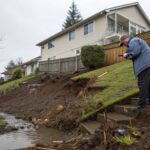

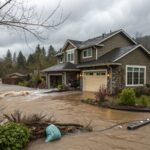
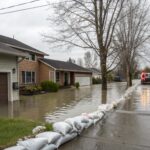
Managing a multi-unit property in presents unique challenges when it comes to emergency preparedness. With our region’s specific risks—from winter storms to potential earthquakes—having a robust emergency plan isn’t just good business practice; it’s essential for protecting your residents and your investment. At Pacific Water & Fire Restoration, we’ve helped numerous property managers navigate emergencies, and we’ve learned what makes the difference between chaos and controlled response.
Why Multi-Unit Properties Need Specialized Emergency Plans
Multi-unit properties face distinct challenges during emergencies:
- Multiple residents requiring coordination
- Shared systems that can affect multiple units
- Complex evacuation requirements
- Varied resident needs and capabilities
- Interconnected utilities and infrastructure
According to the National Multifamily Housing Council, properties without comprehensive emergency plans face up to 3.5 times higher recovery costs when disasters strike.
Essential Components of Your Emergency Plan
1. Risk Assessment
Specific Hazards:
- Winter storms and freezing conditions
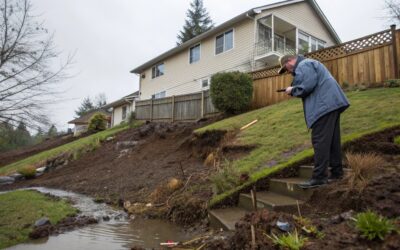
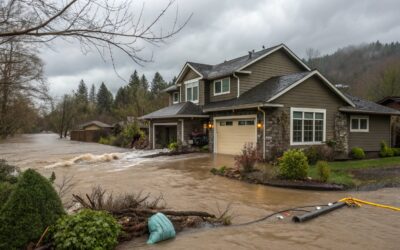
- Heavy rainfall and flooding
- Earthquake risks
- Urban wildfire smoke
- Extended power outages
Property-Specific Considerations:
- Building age and construction type
- Current maintenance status
- Infrastructure vulnerabilities
- Resident demographics
- Historical incident patterns
2. Emergency Response Team Structure
Core Team Roles:
- Emergency Coordinator
- Floor Wardens
- Maintenance Lead
- Communication Coordinator
- Resident Liaison
Pro Tip: Assign backup personnel for each role and ensure they receive the same training as primary team members.
3. Communication Protocols
Emergency Communication System:
- Mass notification system setup
- Resident contact database
- Emergency contact hierarchy
- Language considerations
- Special needs registry
Communication Methods:
- Text alerts
- Email notifications
- Phone trees
- Posted notices
- Social media updates
4. Evacuation Procedures
Primary Components:
- Clear evacuation routes
- Assembly point designations
- Unit-specific instructions
- ADA compliance measures
- Pet evacuation plans
Required Documentation:
- Floor plans with marked exits
- Emergency lighting locations
- Fire extinguisher positions
- Utility shutoff points
- Assembly area maps
Emergency Response Protocols
Water Damage Response
Immediate Actions:
- Locate and stop water source
- Contact emergency maintenance
- Notify affected residents
- Document damage
- Begin water extraction
Prevention Measures:
- Regular pipe inspections
- Water detection system installation
- Maintenance of roof drainage
- Updated shut-off valve mapping
- Winter weatherization protocols
Fire Emergency Procedures
Response Steps:
- Activate fire alarm system
- Contact fire department
- Begin evacuation procedures
- Account for residents
- Secure property access for first responders
Prevention Strategy:
- Regular fire system testing
- Smoke detector maintenance
- Fire door inspections
- Dryer vent cleaning
- Common area safety checks
Resident Education and Training
Move-In Orientation
- Emergency procedure review
- Contact information verification
- Evacuation route walkthrough
- Safety feature demonstrations
- Emergency kit recommendations
Regular Training Sessions
- Quarterly safety meetings
- Fire drill participation
- Basic emergency response
- First aid training
- Emergency equipment operation
Documentation Requirements
Essential Records:
- Current resident roster
- Emergency contact information
- Vendor contracts
- Insurance policies
- Maintenance records
Emergency Information Packets:
- Property layout maps
- Emergency procedures
- Contact numbers
- Utility locations
- Assembly points
Special Considerations for Properties
Weather-Related Preparations
- Ice and snow removal plans
- Flood prevention measures
- Wind damage mitigation
- Heat wave protocols
- Air quality management
Seismic Considerations
- Structural assessment records
- Earthquake response procedures
- Safe room designations
- Supply cache locations
- Post-event inspection protocols
Emergency Supply Requirements
Property Management Office:
- Emergency lighting
- First aid supplies
- Communication devices
- Tool kit
- Important documents
Common Areas:
- Emergency kits
- Water supplies
- Backup generators
- Safety equipment
- Basic tools
Technology Integration
Emergency Management Systems:
- Digital notification platforms
- Security system integration
- Remote monitoring capabilities
- Digital documentation
- Automated alerts
Backup Systems:
- Alternative power sources
- Manual override procedures
- Backup communication methods
- Data recovery systems
- Emergency lighting
Insurance and Legal Considerations
Coverage Requirements:
- Property damage
- Business interruption
- Liability protection
- Flood insurance
- Earthquake coverage
Documentation Needs:
- Incident reports
- Maintenance records
- Training logs
- Inspection reports
- Communication records
Recovery and Continuity Planning
Immediate Recovery:
- Damage assessment procedures
- Resident relocation protocols
- Service restoration priorities
- Vendor coordination
- Documentation requirements
Long-term Planning:
- Business continuity procedures
- Reconstruction guidelines
- Insurance claim processes
- Resident communication plans
- Preventive improvements
Emergency Resource Directory
Local Emergency Contacts:
- Fire & Rescue
- Police Bureau
- Emergency Management
- Utility providers
- Medical facilities
Restoration Services:
- Pacific Water & Fire Restoration: 503-201-7337
- Available 24/7 for emergency response
- IICRC certified professionals
- Full-service restoration capabilities
- Local expertise
Next Steps for Property Managers
- Schedule a free emergency preparedness assessment
- Review current emergency plans
- Update resident contact information
- Inspect emergency systems
- Train staff on procedures
Get Professional Support
Don’t wait for an emergency to discover gaps in your preparation. Pacific Water & Fire Restoration offers:
- Free property assessments
- Emergency plan development
- Staff training programs
- 24/7 emergency response
- Professional restoration services
Contact us today to schedule your free emergency preparedness assessment:
- Call: 503-201-7337
- Email: [email protected]
- Available: 24/7 for emergency response
Our team of IICRC-certified professionals understands the unique challenges of multi-unit properties. Let us help you protect your property and residents with comprehensive emergency planning and rapid response capabilities.
For immediate emergency assistance, call our 24/7 response line at 503-201-7337.