
Introduction: Why Gresham Residents Need to Be Prepared
Nestled just east of Portland, Gresham residents enjoy beautiful natural surroundings from Mount Hood to the Columbia River Gorge. However, this picturesque location also comes with specific natural disaster risks including wildfires, floods, winter storms, and even earthquake threats from the Cascadia Subduction Zone. Recent years have shown us that proper preparation isn’t just cautious—it’s essential.
According to the Oregon Office of Emergency Management, over 60% of Oregon homeowners are underprepared for natural disasters, and many lack comprehensive emergency plans. For Gresham residents, understanding local risks and having proper restoration resources can make the difference between a manageable emergency and a life-altering catastrophe.
At Pacific Water & Fire Restoration, we’ve helped hundreds of Gresham residents recover from property damage. This guide walks you through practical steps to prepare before disaster strikes, respond effectively during an emergency, and navigate the recovery process to restore your property and peace of mind.
Understanding Gresham’s Unique Disaster Risks
Wildfire Threats
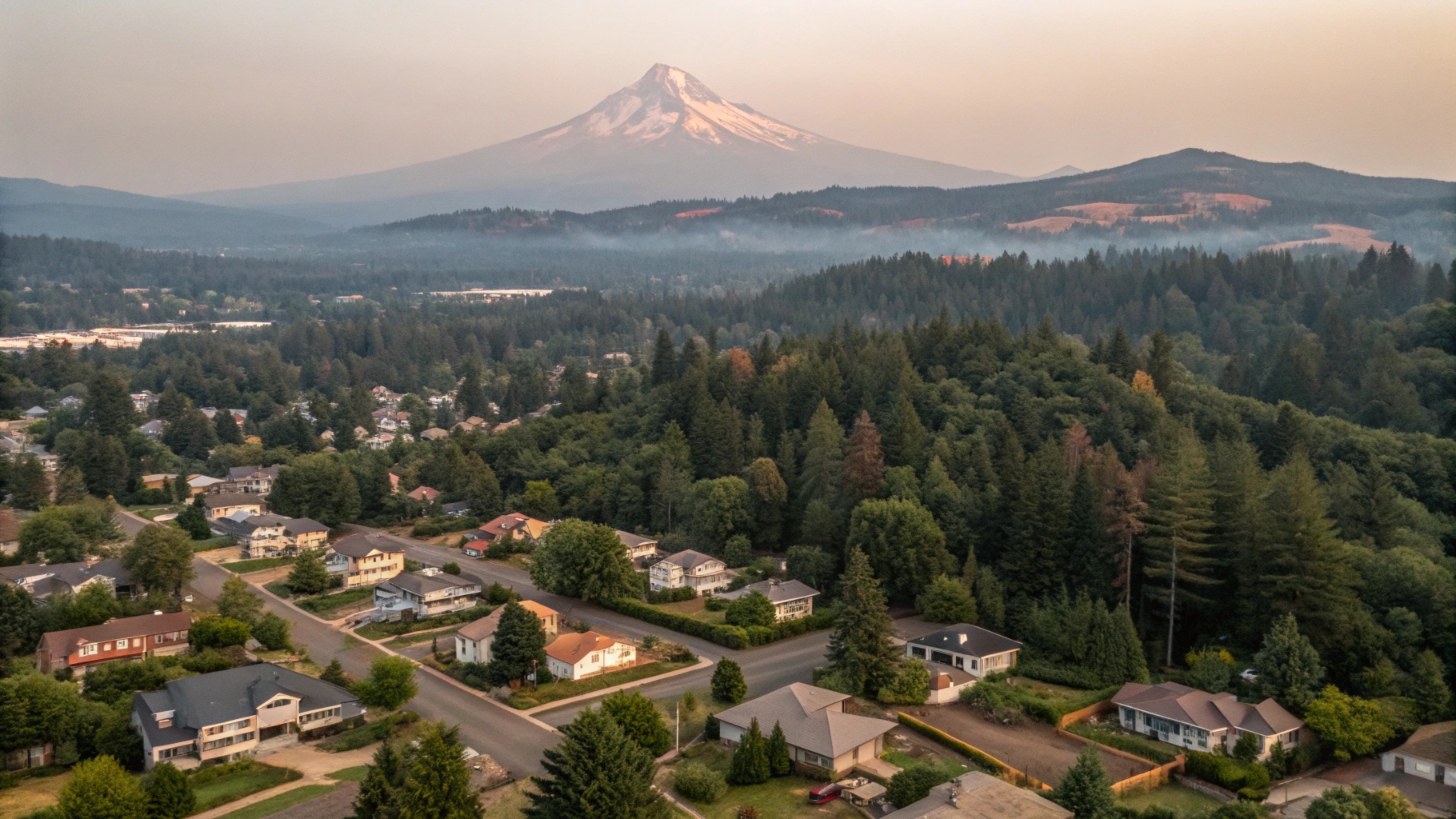
With Oregon experiencing increasingly severe wildfire seasons, Gresham’s proximity to forested areas creates heightened risk. The 2020 wildfires demonstrated how quickly these disasters can impact our communities, with smoke and evacuation concerns affecting even urban areas.
Key Wildfire Risk Factors for Gresham:
- Summer drought conditions create dry vegetation
- East winds can rapidly spread fires from Mount Hood National Forest
- Urban-wildland interface areas face highest risks
- Climate change contributing to longer, more intense fire seasons
Flooding Concerns
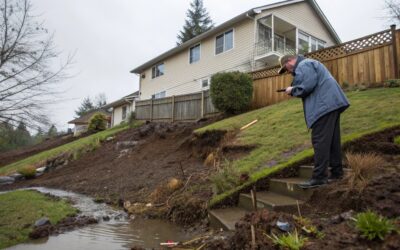
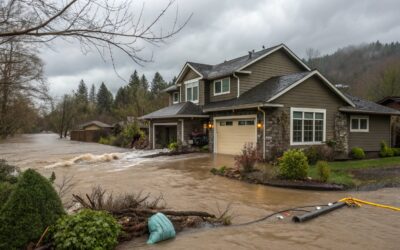
Gresham’s location near Johnson Creek, Fairview Creek, and the Sandy River presents flooding risks, particularly during heavy rain events. The city’s urban development has also created more impervious surfaces, increasing runoff during storms.
High-Risk Flood Areas:
- Johnson Creek watershed
- Areas near Columbia Slough
- Fairview Creek corridor
- Properties in designated FEMA flood zones
Winter Storm Vulnerabilities
Ice storms and heavy snowfall can cause significant damage to Gresham properties through:
- Roof collapses from snow accumulation
- Pipe freezing and bursting
- Ice dam formation causing water intrusion
- Tree damage from ice accumulation
- Power outages leading to secondary issues
Earthquake Preparations
Oregon’s position along the Cascadia Subduction Zone means Gresham residents should also prepare for earthquake events. While less frequent, these can cause widespread structural damage requiring extensive restoration work.
Before Disaster Strikes: Creating Your Preparedness Plan
Essential Emergency Supplies
Every Gresham home should maintain an emergency kit with:
- Water (one gallon per person per day for at least three days)
- Non-perishable food (minimum three-day supply)
- Battery-powered or hand-crank radio
- Flashlights and extra batteries
- First aid kit
- Whistle to signal for help
- Dust masks, plastic sheeting, and duct tape for sheltering in place
- Moist towelettes, garbage bags, and plastic ties for sanitation
- Wrench or pliers to turn off utilities
- Manual can opener
- Local maps
- Cell phone with chargers and backup battery
Pro Tip: Review and refresh your emergency supplies twice yearly when you change your clocks for daylight saving time.
Property Protection Measures
Taking proactive steps can significantly reduce potential damage:
For Wildfire Protection:
- Create defensible space by clearing vegetation within 30 feet of structures
- Use fire-resistant building materials when possible
- Clean gutters regularly to remove flammable debris
- Keep firewood and combustibles away from home
- Screen vents and openings to prevent ember entry
For Flood Prevention:
- Install check valves in plumbing to prevent backups
- Elevate electrical systems and appliances
- Consider waterproofing basement walls
- Maintain proper drainage around foundation
- Keep valuable items on upper levels when possible
For Winter Storm Preparation:
- Insulate pipes in unheated areas
- Allow faucets to drip during extreme cold
- Keep gutters clean to prevent ice dams
- Trim trees to remove weak branches
- Have alternative heating sources ready
Documentation & Insurance Considerations
Before disaster strikes, properly document your property:
- Maintain a detailed inventory of possessions with photos/videos
- Store important documents in waterproof containers
- Keep digital backups of critical records
- Review insurance policies for adequate coverage
- Understand exactly what your policy covers for different disaster types
Important Insurance Note: Standard homeowners policies often exclude or limit coverage for flood damage. Consider supplemental policies for comprehensive protection.
During a Disaster: Immediate Response Actions
Safety First: Evacuation Protocols
When disaster threatens, knowing when and how to evacuate is crucial:
- Follow all emergency official instructions immediately
- Have multiple evacuation routes planned in advance
- Establish a family meeting place outside the affected area
- Keep emergency contact information readily available
- Have a communication plan for family members
Gresham Evacuation Resources:
- Sign up for Multnomah County emergency alerts at PublicAlerts.org
- Monitor local news stations and emergency radio broadcasts
- Review evacuation routes at Gresham Emergency Management
Protecting Your Property When Time Allows
If you have advance warning and it’s safe to do so:
For Approaching Wildfires:
- Move flammable outdoor furniture inside
- Close all windows, vents, and doors
- Turn off gas at the meter
- Fill containers with water for firefighting
- Wet down roof and property if possible
Before Flooding:
- Move valuable items to higher levels
- Place sandbags in strategic locations
- Turn off electricity at the breaker
- Disconnect appliances
- Secure outdoor items that could be swept away
Ahead of Winter Storms:
- Insulate pipes
- Clear rain gutters
- Trim tree branches
- Secure outdoor items
- Have snow removal tools ready
After Disaster Strikes: The Recovery Process
Immediate Assessment and Safety Checks
Before returning to your property:
- Wait for official clearance to return
- Check for structural damage before entering
- Be alert for gas leaks, electrical hazards, and contaminated water
- Document all damage with photos and videos before beginning cleanup
- Contact your insurance company promptly
Safety Warning: Never enter a building that appears structurally unsound. If you smell gas, detect electrical issues, or suspect contaminated water, contact professionals immediately.
The Restoration Timeline: What to Expect
Understanding the restoration process helps manage expectations:
Phase 1: Emergency Response (24-48 hours)
- Property assessment and safety evaluation
- Water extraction and debris removal
- Board-up and tarping services
- Initial drying equipment placement
- Temporary structural supports if needed
Phase 2: Mitigation (3-7 days)
- Complete water removal
- Thorough cleaning and disinfection
- Removal of unsalvageable materials
- Continued drying and dehumidification
- Odor treatment
Phase 3: Restoration (Varies by damage extent)
- Structural repairs
- Replacement of damaged materials
- Reconstruction of affected areas
- Final cleaning and detailing
- Property returned to pre-loss condition
Working With Insurance and Restoration Professionals
Navigating insurance claims and restoration work:
- File claims promptly with detailed documentation
- Maintain a log of all communications with insurance
- Get multiple estimates for restoration work
- Verify credentials of all restoration professionals
- Understand the scope of work before approving
- Request regular updates throughout the process
Pro Tip: At Pacific Water & Fire Restoration, we can work directly with your insurance company to streamline the claims process, providing detailed documentation, estimates, and professional assessment to ensure you receive appropriate coverage.
Special Considerations for Gresham Properties
Historic Home Restoration Challenges
Gresham’s historic districts present unique restoration challenges:
- Original construction materials may require specialized restoration
- Historic preservation requirements may apply
- Older homes may need updated systems during restoration
- Documentation for historic properties requires extra attention
Multi-Family and Commercial Considerations
For apartment buildings, condos, and businesses:
- Coordinate with property management and other owners
- Understand shared responsibility areas
- Review business continuity plans
- Consider temporary relocation options
- Address employee or tenant communications
Learning From Local Experience: Gresham Case Studies
Johnson Creek Flooding Response
When Johnson Creek flooded in 2021, several Gresham homes experienced significant water damage. Our restoration team:
- Responded within 30 minutes of emergency calls
- Implemented immediate water extraction to prevent further damage
- Used advanced moisture mapping to identify hidden water
- Restored properties to pre-flood condition within 2-3 weeks
- Helped homeowners navigate insurance claims successfully
Mt. Hood Corridor Wildfire Recovery
Following wildfire damage to homes near the Mt. Hood corridor:
- Comprehensive smoke and soot removal prevented long-term odors
- Specialized cleaning techniques salvaged family heirlooms
- Air quality testing ensured safe reoccupation
- Structural repairs restored integrity to damaged areas
- Preventative measures recommended for future protection
Building Long-Term Resilience: Beyond Basic Recovery
Community Resources in Gresham
Gresham offers several resources to help residents prepare and recover:
- Gresham Emergency Management offers preparedness workshops
- Community CERT (Community Emergency Response Team) training
- Neighborhood association emergency planning
- Local contractor referral networks for preventative improvements
- Utility assistance programs for disaster-affected residents
Creating a More Resilient Property
As you rebuild, consider these improvements:
- Install impact-resistant roofing materials
- Upgrade to water-resistant flooring options
- Consider seismic retrofitting for older structures
- Install backwater valves for flood protection
- Upgrade insulation for better energy efficiency
- Consider weather-resistant exterior materials
Conclusion: Preparing for a Resilient Future
Natural disasters are inevitable, but catastrophic damage doesn’t have to be. By understanding Gresham’s specific risks, taking proactive preparedness measures, knowing how to respond during emergencies, and having a restoration plan ready, you can significantly reduce both the impact and recovery time when disasters occur.
At Pacific Water & Fire Restoration, we’ve helped countless Gresham residents recover from water, fire, storm, and mold damage. Our IICRC-certified professionals understand both the technical aspects of property restoration and the emotional challenges families face during these difficult times.
Remember that preparedness is an ongoing process. Review your emergency plans regularly, update your supplies, and continue to make improvements to your property. With each step you take, you’re building resilience for whatever challenges nature may bring.
Next Steps: How We Can Help
For Immediate Emergency Response: Call our 24/7 emergency line at 503-201-7337
For Preventative Assessments:
Schedule a free property evaluation
Request our detailed emergency preparedness guide
Sign up for our seasonal maintenance reminder service
Consult with our experts about specific property concerns
For Restoration Services:
- Water damage extraction and drying
- Fire and smoke damage restoration
- Mold remediation and prevention
- Storm damage repair
- Content cleaning and restoration
- Structural drying and repairs
Don’t wait until disaster strikes. Contact Pacific Water & Fire Restoration today at 503-201-7337 or visit PacificWaterAndFireRestoration.com to schedule your free consultation and take the first step toward a more resilient property.
Pacific Water & Fire Restoration is a full-service restoration company serving the Portland metro area, including Gresham and surrounding communities. Our team is available 24/7 for emergency response, and all our technicians are IICRC certified professionals. We work directly with insurance companies to make the recovery process as smooth as possible for our clients.