
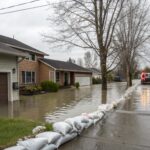
Introduction: Salem’s Unique Disaster Risk Profile
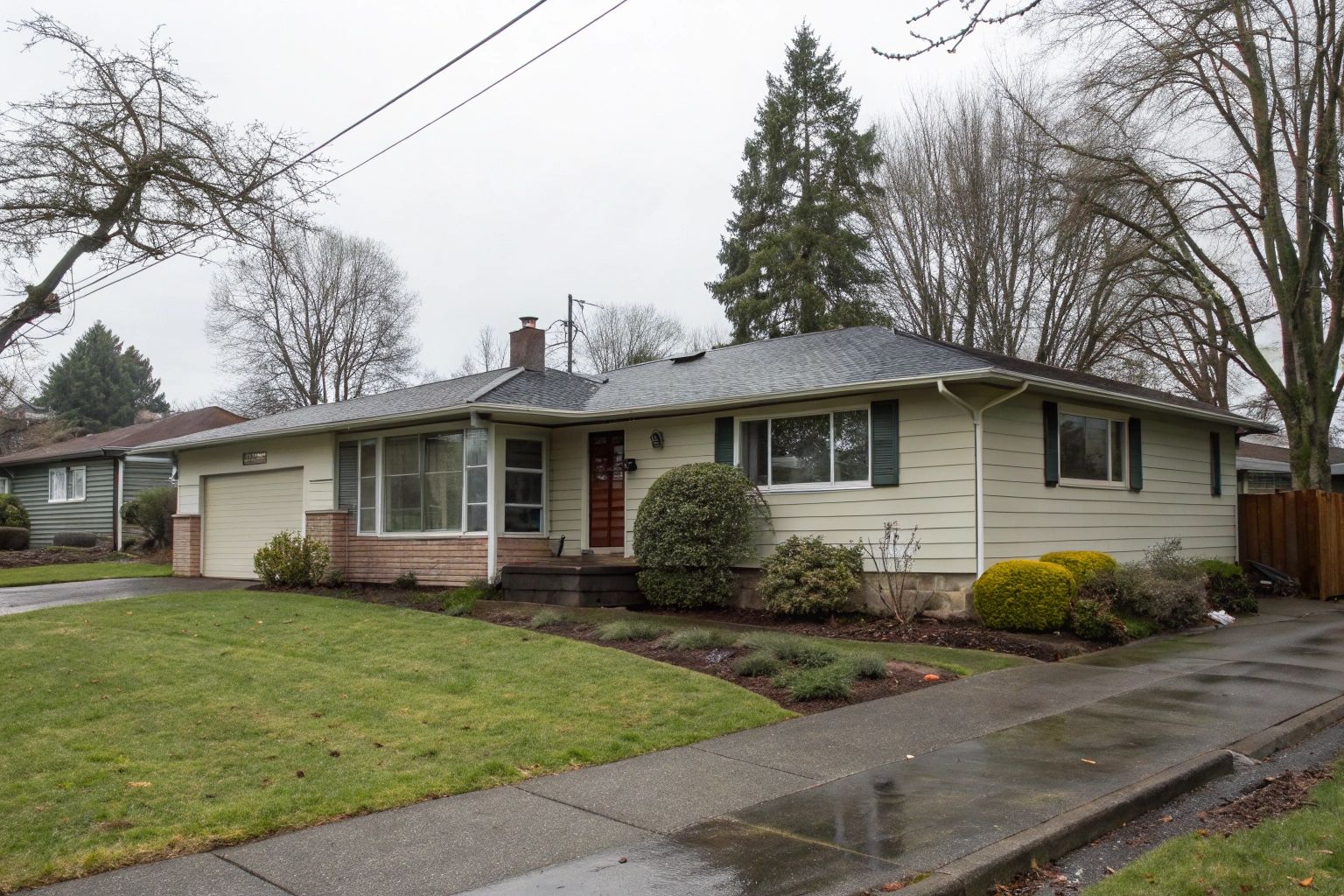
Salem, Oregon’s capital city, presents a picturesque setting along the banks of the Willamette River with its historic neighborhoods, vibrant downtown, and beautiful parks. Yet beneath this serene exterior lies a complex web of natural disaster risks that many homeowners underestimate. Salem’s location in the Willamette Valley, proximity to multiple waterways, and geological position create a unique combination of potential threats that require thoughtful preparation.
At Pacific Water & Fire Restoration, we’ve helped countless Salem homeowners recover from disaster damage and have gained valuable insights into the specific challenges local properties face. This guide examines Salem’s primary disaster risks and provides practical, actionable strategies to protect your home before emergencies strike.
Understanding Salem’s particular vulnerabilities can help you make targeted improvements that significantly reduce your risk of serious damage while increasing your family’s safety during natural disasters. Whether you live in West Salem’s hills, South Salem’s expanding neighborhoods, or the historic districts near downtown, this guide will help you identify and address your home’s specific vulnerabilities.
Salem’s Primary Natural Disaster Risks
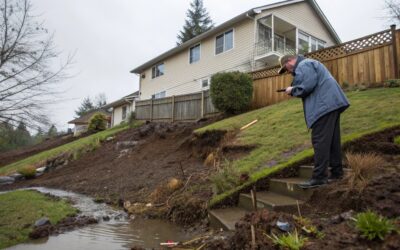
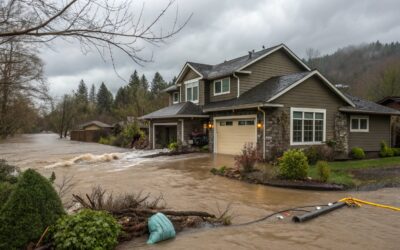
Flooding: The Willamette Valley’s Persistent Threat
Salem’s relationship with water is complex. The Willamette River and its tributaries have shaped the city’s development while creating significant flooding risks:
- Multiple Water Sources – The Willamette River, Mill Creek, Pringle Creek, and other waterways all present flooding potential
- Historic Flood Patterns – Major floods have impacted Salem throughout its history, including significant events in 1964, 1996, and 2012
- Urban Development Impact – Increasing impervious surfaces from development affect drainage and runoff patterns
- Stormwater System Limitations – Older neighborhoods often have insufficient stormwater management capacity
- Dam Considerations – The Detroit Dam upstream helps control Willamette River flooding but presents additional considerations
According to FEMA flood maps, approximately 14% of Salem properties lie within designated flood zones, with the highest concentration in areas adjacent to Mill Creek, Pringle Creek, and the Willamette River. However, about 20% of flood damage in Salem historically occurs outside of designated flood zones, emphasizing the importance of preparation even for properties not in mapped risk areas.
Earthquake Risk: The Cascadia Subduction Zone
Salem faces significant seismic risk due to its proximity to multiple fault systems:
- Cascadia Subduction Zone – Capable of generating magnitude 9.0+ earthquakes affecting the entire region
- Local Fault Systems – Several smaller fault systems can cause localized earthquake damage
- Soil Amplification – The valley’s soil composition can amplify ground shaking in certain areas
- Liquefaction Potential – Riverside areas and locations with high water tables face soil liquefaction risk
- Infrastructure Vulnerability – Many older buildings lack adequate seismic reinforcement
The Oregon Department of Geology and Mineral Industries (DOGAMI) estimates that a major Cascadia Subduction Zone earthquake could significantly impact more than 60% of Salem structures, with older buildings and those on unstable soils facing the greatest risk.
Severe Weather Events: Wind, Ice, and Excessive Rainfall
Salem’s mid-valley location creates vulnerability to several weather-related disasters:
- Ice Storms – Winter ice accumulation creates roof damage, tree failures, and extended power outages
- Wind Events – The valley’s shape can funnel and intensify windstorms
- Atmospheric Rivers – Concentrated rainfall events overwhelm drainage systems
- Heat Emergencies – Increasing summer temperatures create new risks for homes and residents
- Drought Conditions – Extended dry periods affect soil stability and increase wildfire risk in surrounding areas
The February 2021 ice storm demonstrated these risks when thousands of Salem homes lost power for up to ten days, and hundreds of properties sustained significant damage from fallen trees and ice accumulation.
Wildfire Smoke and Air Quality Emergencies
While Salem itself faces limited direct wildfire threat, secondary impacts create significant challenges:
- Smoke Infiltration – Wildfire smoke from regional fires can penetrate homes and create health hazards
- Air Quality Emergencies – Prolonged smoke events require homes to maintain safe interior air quality
- Evacuation Hosting – Salem often hosts evacuees from more wildfire-prone regions, creating community resource demands
- Urban-Wildland Interface – Some neighborhoods on Salem’s outskirts face more direct wildfire concerns
The 2020 wildfire season demonstrated Salem’s vulnerability to these secondary impacts when air quality remained at hazardous levels for over a week, affecting homes throughout the city.
Home Preparation Strategies for Salem’s Specific Risks
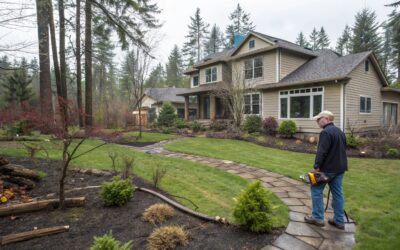
Flood Protection and Mitigation
For homes in flood-prone areas, particularly those near Salem’s many waterways, these protective measures can significantly reduce damage risk:
Property Assessment and Vulnerability Identification
Begin by understanding your specific flood risk:
- Flood Zone Verification – Check FEMA flood maps and city flood history records for your property
- Water Entry Points – Identify vulnerable areas where water could enter your home
- Drainage Patterns – Observe how water flows around your property during heavy rainfall
- Previous Water Issues – Note any historical water intrusion, even minor incidents
- Neighborhood Patterns – Understand how surrounding properties and infrastructure affect your flood risk
Pro Tip: The City of Salem Public Works Department maintains detailed records of previous flooding incidents. Contact them at 503-588-6211 to inquire about flooding history in your specific neighborhood.
Physical Improvements for Flood Protection
Based on your assessment, implement appropriate protective measures:
- Foundation Waterproofing – Apply exterior waterproofing membranes and interior sealants
- Drainage Improvements – Install French drains, swales, or rain gardens to direct water away
- Backflow Prevention – Install sewer backflow valves to prevent sewage backup during floods
- Sump Pump Systems – Add battery backup to ensure operation during power outages
- Elevation of Critical Systems – Raise electrical panels, HVAC equipment, and appliances above potential flood levels
- Water Barriers – Consider deployable door and window barriers for properties with recurrent flooding
For Salem homes in the highest risk areas, particularly those that have flooded previously, more substantial modifications may be warranted:
- First Floor Modifications – Replacing carpet with water-resistant flooring
- Wall Material Upgrades – Using water-resistant drywall or other materials for lower portions of walls
- Content Protection Strategies – Elevating or relocating valuable items from basement and first-floor areas
- Utilities Relocation – Moving utilities to higher levels where feasible
Safety Warning: Never attempt to seal your entire home against water pressure during flooding. Excessive water pressure against sealed walls can cause structural collapse. Professional assessment is essential for major flood mitigation projects.
Earthquake Preparation for Salem Homes
Salem’s seismic risks require specific home preparation measures:
Structural Considerations
- Foundation Evaluation – Have foundations inspected for cracks and connection to the structure
- Foundation Anchoring – Bolt homes to foundations, particularly important for pre-1970s construction
- Cripple Wall Bracing – Reinforce short walls between foundation and first floor
- Masonry Reinforcement – Secure chimneys and other masonry elements
- Soft Story Retrofitting – Strengthen homes with living spaces above garages or open areas
Pro Tip: The City of Salem occasionally offers seismic retrofit grants for homeowners with qualifying properties. Check the city’s Emergency Management website or call 503-588-6055 for current programs.
Non-Structural Preparation
Even without major structural work, these measures can significantly reduce earthquake damage and injury risk:
- Furniture Anchoring – Secure tall furniture, bookcases, and heavy items to wall studs
- Water Heater Bracing – Strap water heaters with approved earthquake straps
- Flexible Utility Connections – Install flexible gas and water line connectors
- Cabinet Latches – Add latches to keep cabinet contents from spilling during shaking
- Heavy Object Placement – Relocate heavy items to lower shelves and storage areas
- Hazard Reduction – Address hanging items that could fall during shaking
According to FEMA, these non-structural measures can reduce earthquake-related injuries by up to 50% while significantly decreasing property damage.
Weather Resilience: Preparing for Salem’s Storms
Salem’s diverse weather-related risks require comprehensive preparation:
Ice Storm Protection
- Tree Management – Regular professional assessment and trimming of trees near structures
- Roof Reinforcement – Ensure roof structures can handle additional ice weight
- Insulation Improvements – Prevent ice dams with proper attic insulation and ventilation
- Gutter Maintenance – Ensure gutters and downspouts are securely attached and clear of debris
- Emergency Heating Options – Install properly vented wood stoves or other backup heating
Wind Damage Prevention
- Roof Condition Assessment – Inspect and repair loose or damaged roofing materials
- Wind-Resistant Improvements – Consider hurricane straps when replacing roofs
- Window Protection – Identify options for protecting large windows during severe storms
- Yard Item Security – Have plans to secure or store outdoor furniture and decorative items
- Safe Room Designation – Identify the safest interior room for sheltering during wind events
Heat Emergency Preparation
As summer temperatures increase, preparing for heat emergencies becomes increasingly important:
- Insulation Evaluation – Ensure proper insulation to keep heat out during summer
- Window Treatments – Install reflective window films or exterior shades
- HVAC Maintenance – Keep cooling systems in optimal condition with regular service
- Attic Ventilation – Improve attic ventilation to reduce heat transfer to living spaces
- Backup Cooling Plans – Identify cooling options for power outage situations
Safety Warning: When using generators during power outages, always operate them outdoors, at least 20 feet from any window, door, or vent. Carbon monoxide from generators can be deadly if they’re operated in enclosed or partially enclosed spaces.
Air Quality Protection for Wildfire Season
Though Salem faces limited direct wildfire risk, smoke infiltration requires specific preparation:
- Home Envelope Sealing – Caulk and weather-strip to reduce air infiltration
- HVAC Filter Upgrades – Install higher-efficiency filters (MERV 13+) during smoke events
- Portable Air Purifier Positioning – Place purifiers in bedrooms and main living areas
- Clean Air Room Creation – Designate one room with enhanced filtration for the worst conditions
- Ventilation Management – Understand how to properly operate your home’s ventilation during smoke events
Pro Tip: Create a “smoke kit” before wildfire season that includes extra HVAC filters, portable air purifier filters, door draft blockers, and N95 respirators. Having these items ready before smoke events occur ensures you won’t face empty store shelves when these items are in high demand.
Emergency Planning for Salem Households
Creating Your Family Emergency Plan
Beyond physical home improvements, having a clear emergency response plan is essential:
- Evacuation Routes – Identify multiple exit paths from your neighborhood for different scenarios
- Meeting Locations – Designate gathering points both near your home and outside Salem
- Communication Strategy – Establish how family members will contact each other during emergencies
- Emergency Contact List – Maintain current phone numbers for family, neighbors, and emergency services
- Special Needs Considerations – Plan for children, elderly family members, pets, and those with mobility issues
- Document Storage – Keep critical documents in waterproof, fireproof containers and digital backups
Pro Tip: Create laminated, pocket-sized emergency cards for each family member with contact information, meeting locations, and basic procedural reminders.
Essential Emergency Supplies
Salem residents should maintain supplies for multiple hazard types:
Basic Emergency Kit
- Water – One gallon per person per day for at least three days
- Food – Three-day supply of non-perishable items
- Medications – Seven-day supply of essential prescriptions
- First Aid Kit – Comprehensive kit with manual
- Flashlights and Batteries – Multiple options, including headlamps
- Emergency Radio – Battery or hand-crank powered
- Cell Phone Chargers – Including backup power options
- Personal Hygiene Items – Sanitation and hygiene supplies
- Multi-Tool and Basic Tools – For emergency repairs
- Local Maps – Paper maps of Salem and surrounding areas
Hazard-Specific Additions
For Salem’s particular risks, consider these specialized items:
Flood-Specific Supplies:
- Sandbags or flood barriers
- Plastic sheeting and duct tape
- Portable water pumps
- Moisture meters
- Water-resistant gloves and boots
Earthquake-Specific Supplies:
- Water shut-off wrench attached near main valve
- Gas shut-off tool near gas meter
- Dust masks and safety goggles
- Work gloves and sturdy shoes
- Whistle for signaling
Severe Weather Supplies:
- Thermal blankets
- Alternative heating options
- Snow/ice removal equipment
- Weather-appropriate clothing
- Sleeping bags rated for cold temperatures
Community Connection and Resources
Salem has developed several community resources for disaster preparation and response:
- Community Emergency Response Team (CERT) – Training program for basic disaster response skills
- Map Your Neighborhood – Program for neighborhood-level preparation and response
- Salem Community Alert System – Sign up at cityofsalem.net/alerts
- Neighborhood Association Networks – Many Salem neighborhoods have emergency preparation committees
Pro Tip: The Marion County Emergency Management office offers free preparedness classes throughout the year. Visit their website or call 503-588-5108 for the current schedule.
Insurance Considerations for Salem Homeowners
Understanding Coverage Needs
Salem’s multiple hazards create specific insurance considerations:
- Flood Insurance Requirements – Standard homeowners policies exclude flood damage
- Earthquake Coverage Options – Separate policies or endorsements typically required
- Water Damage Distinctions – Understand differences between covered water damage and excluded flood damage
- Additional Living Expense Provisions – Coverage for temporary housing during repairs
- Code Upgrade Coverage – Important for Salem’s many historic homes
- Deductible Considerations – Different hazards may have different deductibles
According to insurance industry data, approximately 65% of Salem homeowners are underinsured for the specific disaster risks they face, particularly for flood and earthquake damage.
Documentation Best Practices
Proper documentation significantly improves insurance outcomes:
- Home Inventory – Maintain detailed records of possessions with photos and values
- Improvement Documentation – Keep records of all home improvements and mitigation work
- Regular Policy Reviews – Annually update coverage values and review terms
- Digital Backups – Store documentation in cloud-based systems accessible from anywhere
- Pre-Disaster Photos – Take comprehensive photos of your property in good condition
Pro Tip: Pacific Water & Fire Restoration offers free pre-disaster documentation services for Salem homeowners. Our professionals can create detailed photo/video documentation and provide recommendations for insurance policy adjustments. Call us at 503-201-7337 to schedule this service.
Case Study: The Richardson Family’s Successful Preparation
Property Background and Challenges
The Richardson family purchased their 1940s home in Salem’s Highland neighborhood in 2019. The property presented several disaster vulnerabilities:
- Location within 500 feet of Mill Creek
- Older foundation with minimal waterproofing
- Original electrical system with outdated panel
- Large trees overhanging the roof
- Unanchored foundation with cripple walls
Strategic Improvement Approach
Rather than attempting all improvements simultaneously, the Richardsons implemented a phased approach:
Phase 1 (Immediate/Low Cost):
- Created detailed home inventory and documentation
- Upgraded insurance policies with appropriate coverage
- Established family emergency plan and evacuation strategy
- Assembled comprehensive emergency supplies
- Implemented basic yard drainage improvements
Phase 2 (Year 1):
- Installed backflow prevention valve
- Improved foundation drainage with French drains
- Professional tree assessment and pruning
- Non-structural earthquake preparations
- Upgraded electrical panel and installed proper grounding
Phase 3 (Years 2-3):
- Installed sump pump with battery backup
- Completed basic foundation anchoring
- Added seismic strapping to water heater
- Improved attic insulation and ventilation
- Replaced first-floor carpet with water-resistant flooring
Real-World Results
The Richardsons’ preparation was tested during the January 2021 atmospheric river event when heavy rainfall caused Mill Creek to rise rapidly. While several neighboring properties experienced water intrusion, the Richardsons’ home remained dry thanks to their drainage improvements and backflow prevention. Their sump pump activated several times during the worst of the storm, but prevented any water from entering the basement.
Two weeks later, their preparation was tested again during the February 2021 ice storm. Despite losing power for four days, their emergency supplies allowed them to shelter comfortably, and the previous tree maintenance prevented any significant damage to their home despite heavy ice accumulation.
The Richardsons’ total investment in improvements was approximately $12,000 over three years, significantly less than the average $25,000 in damage sustained by similar unprepared properties during the same events.
When Disaster Strikes: Response and Recovery
Immediate Response Actions
Knowing what to do in the critical hours after damage occurs can significantly impact recovery:
For Water Damage:
- Safety First – Verify electrical safety before entering standing water
- Documentation – Photograph all damage before beginning cleanup
- Water Extraction – Remove standing water as quickly as possible
- Personal Protection – Wear appropriate protective equipment during cleanup
- Moisture Monitoring – Begin tracking moisture levels in materials
- Professional Assessment – Contact restoration professionals for evaluation
For Storm Damage:
- Hazard Identification – Check for downed power lines and structural damage
- Temporary Protection – Cover damaged roofs or windows to prevent further damage
- Detailed Documentation – Photograph all damage from multiple angles
- Utility Evaluation – Have utilities inspected before turning systems back on
- Insurance Notification – Contact your insurer to begin the claims process
- Professional Evaluation – Have damage professionally assessed even if it appears minimal
Working with Professional Restoration Services
Understanding the restoration process helps Salem homeowners navigate recovery more effectively:
- Assessment Phase – Professional evaluation of damage scope
- Mitigation Phase – Preventing additional damage through emergency measures
- Restoration Planning – Developing comprehensive recovery strategy
- Coordination with Insurance – Professional documentation and claim support
- Reconstruction Process – Rebuilding damaged elements to pre-loss condition
Pro Tip: When selecting a restoration company, look for firms with experience specific to Salem’s housing styles and construction methods. Local experience often translates to more effective restoration, particularly for Salem’s historic homes and unique architectural styles.
Conclusion: Building a More Resilient Salem
Salem’s natural beauty and livability come with inherent risks that require thoughtful preparation. By understanding your property’s specific vulnerabilities and implementing targeted improvements, you can significantly reduce potential damage while creating greater peace of mind for your family.
Remember that preparation is not an all-or-nothing proposition. Even modest improvements, implemented strategically over time, can dramatically increase your home’s resilience. Begin with basic emergency planning and gradually implement physical improvements as budget allows.
As our climate continues to change and Salem continues to grow, proactive disaster preparation becomes increasingly important. The investments you make today in home improvements, emergency planning, and insurance coverage will serve you well not just during disasters but in the everyday confidence that comes from knowing you’ve taken responsible steps to protect what matters most.
How Pacific Water & Fire Restoration Can Help
As Portland’s trusted restoration experts with extensive experience in Salem and throughout Marion County, we offer specialized services for disaster preparation and recovery:
- Comprehensive Property Assessments to identify specific vulnerabilities
- Customized preparation recommendations for your unique property
- Documentation services for insurance purposes
- 24/7 emergency response for water, fire, and storm damage
- Complete restoration services from initial mitigation through reconstruction
- Historic property specialization for Salem’s unique architecture
Don’t wait until disaster strikes. Contact Pacific Water & Fire Restoration today:
- Emergency Services: 503-201-7337 (available 24/7)
- Schedule a Free Assessment: Visit pacificwaterandfirerestoration.com or call our office
- Learn More: Attend our monthly preparedness workshops in Salem (details on our website)
Our IICRC-certified professionals understand Salem’s unique challenges and can help you develop effective strategies to protect your home, regardless of its age, location, or specific vulnerabilities.
Pacific Water & Fire Restoration is a full-service property restoration company serving Portland and surrounding communities including Salem. With IICRC certification and 24/7 emergency response, we’re committed to helping property owners before, during, and after disasters strike.