




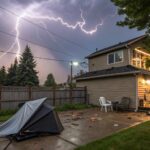

Mother Nature can be unpredictable, but your response doesn’t have to be. Whether you’re facing fierce Pacific Northwest winters or unexpected summer thunderstorms, being prepared can mean the difference between minor inconvenience and major disaster. Let’s dive into your comprehensive guide for storm preparedness and response!
The Power of Preparation: Your Pre-Storm Strategy
Think of storm preparation like a chess game – you need to be several moves ahead of Mother Nature. Here’s your winning strategy:
Seasonal Maintenance Checklist
Fall Preparation (September-November)
- Clean gutters and downspouts
- Trim overhanging branches
- Check roof for loose or damaged shingles
- Seal windows and doors
- Install storm windows
- Clear yard of potential projectiles
- Test backup power systems
Winter Readiness (December-February)
- Insulate exposed pipes
- Clear snow removal equipment
- Check heating systems
- Install thermal covers on outdoor faucets
- Stock up on ice melt
- Verify attic insulation
- Test carbon monoxide detectors
Spring Inspection (March-May)
- Assess winter damage
- Clean drainage systems
- Check foundation for cracks
- Service AC units
- Repair loose siding
- Test sump pumps
- Check window seals
Summer Maintenance (June-August)
- Inspect roof ventilation
- Clean outdoor drains
- Check weather stripping
- Service generators
- Clear brush and debris
- Test irrigation systems
- Secure outdoor furniture
Your Emergency Supply Arsenal
Every property needs a well-stocked emergency kit. Here’s your essential inventory:
Indoor Emergency Kit
- Battery-powered weather radio
- Flashlights and extra batteries
- First aid supplies
- Three-day water supply (1 gallon per person per day)
- Non-perishable food
- Manual can opener
- Portable phone chargers
- Emergency contact list
- Important documents in waterproof container
Property Protection Kit
- Tarps and plastic sheeting
- Sandbags or flood barriers
- Duct tape
- Basic tools (hammer, wrench, pliers)
- Work gloves
- Battery-operated sump pump
- Emergency board-up materials
- Wet/dry vacuum
Storm Warning: The Critical 48 Hours
When severe weather approaches, time is your most valuable resource. Here’s your countdown checklist:
48 Hours Before
- Monitor weather reports
- Review emergency plans
- Check emergency supplies
- Clear outdoor spaces
- Fuel vehicles
- Test backup power
- Alert family members
24 Hours Before
- Secure outdoor furniture
- Charge all devices
- Fill bathtubs and large containers
- Move vehicles to safe location
- Download offline maps
- Prepare emergency lighting
- Set refrigerator to coldest setting
6 Hours Before
- Close storm shutters
- Move valuable items to higher ground
- Back up electronic devices
- Position emergency supplies
- Fill ice chests
- Secure all doors and windows
- Take final property photos
During the Storm: Safety First
When the storm hits, focus on these critical actions:
Indoor Safety
- Stay away from windows
- Monitor emergency broadcasts
- Keep refrigerators closed
- Use flashlights, not candles
- Stay on lowest level if necessary
- Keep pets close
- Document ongoing damage
Emergency Response
- Call 911 for life-threatening emergencies
- Report downed power lines
- Monitor flood threats
- Follow evacuation orders immediately
- Stay in contact with neighbors
- Keep emergency numbers handy
- Track storm progress
After the Storm: The Recovery Phase
The storm’s passed, but your work isn’t done. Here’s your recovery roadmap:
Immediate Actions
- Assess safety before entering property
- Document all damage with photos
- Prevent further damage where possible
- Contact insurance provider
- Secure professional help if needed
- Begin water removal if present
- Start debris cleanup when safe
Property Assessment Checklist
- Check structural integrity
- Inspect roof and windows
- Look for water intrusion
- Test utilities
- Check appliances
- Assess tree damage
- Document everything
Insurance Navigation: Protecting Your Investment
Make your insurance claim work for you:
Documentation Requirements
- Detailed photo evidence
- Video documentation
- Written inventory
- Damage description
- Temporary repair receipts
- Communication records
- Professional assessments
Claim Process Tips
- Report damage promptly
- Keep all receipts
- Take thorough notes
- Get multiple repair estimates
- Don’t start major repairs without approval
- Keep copies of all documents
- Follow up regularly
Success Story: Preparation Pays Off
Meet the Martinez family from Seattle. Last winter’s devastating storm left their neighborhood in chaos, but their property emerged largely unscathed. Their secret? Following this exact preparation guide. While neighbors faced extensive damage, the Martinez’s minimal repairs were covered by insurance, and they were back to normal within days.
Building Long-Term Resilience
Think beyond the next storm with these long-term investments:
Property Improvements
- Impact-resistant windows
- Enhanced drainage systems
- Reinforced roofing
- Smart water sensors
- Backup power solutions
- Professional landscaping
- Regular maintenance schedule
Community Connection
- Join neighborhood watch
- Share emergency contacts
- Create support networks
- Participate in community preparedness
- Know vulnerable neighbors
- Share resources
- Build communication channels
The Future of Storm Protection
Stay ahead of the curve with these emerging trends:
Technology Integration
- Smart home monitoring
- Weather prediction apps
- Automated shut-off systems
- Remote property monitoring
- Emergency alert systems
- Digital documentation tools
- Connected security systems
Conclusion: Your Action Plan Starts Now
Remember, the best time to prepare for a storm is when the sun is shining. Take these steps today:
- Review your current preparedness level
- Create or update your emergency kit
- Schedule necessary maintenance
- Update emergency contacts
- Check insurance coverage
- Document your property
- Share this plan with your family
Don’t wait for the storm warnings to start your preparation. Use this guide as your blueprint for property protection, and turn potential disasters into manageable situations. Remember, in emergency response, proactive action always beats reactive recovery.
Need professional help preparing for or recovering from storm damage? Our expert team is available 24/7. Contact us at +1 (503) 201-7337 for immediate assistance.