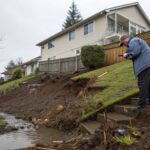


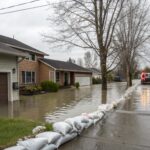
Situated along the banks of the Willamette River and nestled in the fertile Willamette Valley, Canby, Oregon combines rural charm with suburban accessibility. But this picturesque location also exposes the community to distinctive weather challenges, particularly during the Pacific Northwest’s notoriously wet winters and increasingly unpredictable seasonal extremes.
At Pacific Water & Fire Restoration, we’ve helped numerous Canby residents recover from water damage, frozen pipes, ice dams, and flooding events. This frontline experience has given us unique insights into how Canby’s specific geography, infrastructure, and community approaches affect winter weather and flooding preparedness, response, and recovery.
Understanding Canby’s Unique Weather Vulnerability
Canby’s weather-related risks stem from several geographic and infrastructure factors that create a distinctive profile compared to other Portland suburbs.
Geographic Considerations
Canby’s location creates several specific vulnerabilities:
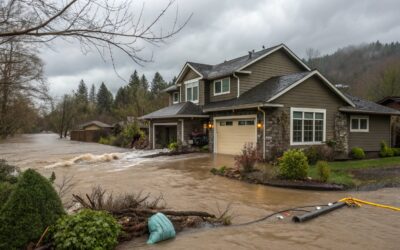
- Willamette River Proximity: The Willamette’s north boundary presents direct flooding risks, particularly in neighborhoods like River View Estates and along Territorial Road
- Molalla River Influence: Though not directly bordering Canby, the Molalla River joins the Willamette just east of town, potentially compounding flooding during heavy rainfall events
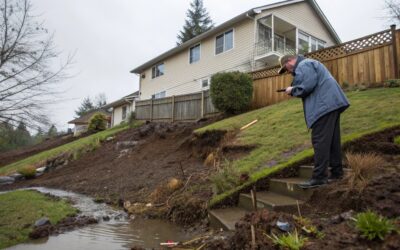
- Drainage Challenges: Much of Canby sits on relatively flat terrain with clay-rich soils that drain poorly, leading to potential ponding and localized flooding even in areas away from rivers
- Agricultural Surroundings: The surrounding farmland, while beautiful, means fewer natural barriers to wind and winter storms approaching from the south and west
Infrastructure Factors
The town’s development patterns and infrastructure also shape its vulnerability:
- Historic Downtown: Some of Canby’s older buildings downtown have basement levels susceptible to groundwater intrusion during sustained rainfall
- Varied Housing Stock: Canby features homes ranging from century-old farmhouses to modern developments, each with different vulnerabilities to weather events
- Municipal Storm System: Canby’s stormwater infrastructure has been progressively upgraded but still includes some older components designed to historical rather than current precipitation patterns
- Transportation Considerations: Rural roads surrounding Canby can be particularly vulnerable to flooding, potentially isolating parts of the community during extreme events
Historical Context
According to data from the National Weather Service and local records, Canby has experienced several significant weather events in recent decades:
- The February 1996 Willamette Valley Flood, which caused widespread damage and led to several infrastructure improvements
- December 2008’s winter storm, which brought unusual snow accumulation and freezing rain
- January 2012 flooding that affected low-lying areas
- February 2021 ice storm that caused widespread power outages and property damage
These events have shaped both official policies and community approaches to weather preparedness.
Pro Tip: Canby residents can sign up for emergency alerts through the Clackamas County emergency notification system, which provides location-specific warnings for flood, winter weather, and other hazards directly to mobile devices.
Flooding Preparedness and Prevention for Canby Properties
Canby’s specific geography requires tailored approaches to flooding prevention and preparedness.
Know Your Flood Risk
Understanding your specific property’s vulnerability is the essential first step:
- FEMA Flood Maps: Determine if your property is within a designated Special Flood Hazard Area. Canby properties along the Willamette fall primarily in Zones A and AE
- Historical Flooding: Research previous flooding at your specific location—some Canby neighborhoods have experienced localized flooding not reflected in official flood maps
- Elevation Certificate: For properties in or near flood zones, an elevation certificate can precisely document your property’s height relative to base flood elevations
- Groundwater Considerations: Even properties away from rivers can experience basement flooding when groundwater levels rise after sustained rainfall
According to Clackamas County Emergency Management, approximately 12% of Canby properties lie within designated flood zones, though historical events have affected properties outside these areas during extreme events.
Property-Level Flood Prevention Measures
Water Management Systems
Effective water management is crucial for Canby properties:
- Proper Drainage: Ensure your property drains away from structures and toward appropriate drainage systems
- Backflow Prevention: Install backflow preventers on sewer lines, especially in low-lying areas
- Sump Pump Systems: Consider a sump pump with battery backup for basements, particularly in older homes near downtown
- Gutter Maintenance: Keep gutters and downspouts clear, especially during fall when Canby’s abundant trees shed their leaves
- French Drains: Install French drains in areas where water tends to pool, directing it away from structures
Physical Barriers and Modifications
For properties with identified flood risk:
- Sandbags: Know where to access sandbags (Canby Public Works often establishes distribution points during flood threats)
- Flood Barriers: Consider deployable flood barriers for doorways, garages, and vulnerable entry points
- Elevation of Utilities: Raise electrical panels, water heaters, and HVAC equipment above potential flood levels
- Waterproof Storage: Use waterproof containers for valuable items stored in basements or lower levels
Landscape Approaches
The way your property is landscaped can significantly impact flood vulnerability:
- Rain Gardens: Installing rain gardens with deep-rooted native plants can help absorb excess water
- Permeable Surfaces: Consider permeable pavers or gravel rather than concrete for driveways and patios
- Strategic Grading: Ensure your yard is graded to direct water away from your foundation
- Buffer Zones: For properties along waterways, maintain native vegetation buffer zones that help absorb and slow floodwaters
Safety Warning: Never store gasoline, pesticides, or other chemicals in areas that could flood. During the 1996 Willamette Valley floods, chemical contamination from flooded storage areas created additional hazards and complicated cleanup efforts.
Winter Weather Preparedness in Canby
Canby’s winter weather challenges require specific preparation strategies.
Understanding Canby’s Winter Weather Patterns
Winter in Canby typically brings:
- Average winter temperatures between 34-45°F, with occasional dips below freezing
- Approximately 42 inches of annual rainfall, with the heaviest precipitation between November and February
- Periodic snow events, typically 2-3 per winter, though climate change is increasing variability
- Risk of freezing rain and ice storms, which can be particularly damaging to properties and infrastructure
These conditions create several specific risks for Canby properties:
Preventing Winter Weather Damage
Pipe Protection
Frozen and burst pipes are among the most common winter weather problems in Canby homes:
- Insulation: Insulate pipes in unheated spaces like crawlspaces, attics, and garages
- Disconnect Hoses: Remove garden hoses and shut off exterior faucets before freezing weather
- Maintain Heating: Keep your home heated to at least 55°F, even when away
- Cabinet Access: Open cabinet doors under sinks during extreme cold to allow warm air circulation
- Dripping Faucets: Allow faucets to drip slightly during extreme cold, particularly for pipes along exterior walls
Roof and Gutter Maintenance
Canby’s combination of freezing temperatures and moisture can create ideal conditions for ice dams:
- Gutter Cleaning: Ensure gutters are completely clear before winter to allow proper drainage
- Attic Insulation: Proper attic insulation prevents heat from escaping and causing uneven roof melting
- Roof Inspection: Have your roof inspected for damaged shingles or flashing that could allow water intrusion
- Snow Removal: Consider careful snow removal from roofs after significant accumulation
- Gutter Heating: For homes with recurring ice dam issues, gutter heating systems can be an effective solution
Emergency Preparedness
Canby has experienced winter weather events that caused extended power outages and access issues:
- Backup Power: Consider a generator, especially if you have medical equipment or well water
- Alternative Heating: Have safe alternative heating sources available
- Emergency Kit: Maintain an emergency kit with food, water, medications, and supplies for at least 72 hours
- Vehicle Preparation: Keep vehicles winterized with adequate tires for rural Canby roads
- Communication Plan: Establish family communication plans for weather emergencies
Community Resources and City Initiatives
Canby has developed several community-level approaches to address weather emergencies:
Flood Management Systems
The city has implemented infrastructure improvements following historical flood events:
- Stormwater System Upgrades: Significant investments in stormwater management, particularly in the downtown area
- Detention Ponds: Several detention facilities help manage runoff during heavy rainfall
- River Monitoring: Advanced monitoring systems on the Willamette River provide early warning of rising water levels
- Emergency Pumping Capabilities: The city maintains emergency pumping equipment for localized flooding
Winter Weather Response
Canby’s approach to winter weather includes:
- Snow Routes: Designated priority snow removal routes ensure critical access is maintained
- Warming Centers: Emergency warming centers operate during extended cold events
- Salt/Sand Distribution: Strategic distribution of road treatment materials across the city
- Utility Coordination: Close coordination with Portland General Electric to address outages affecting Canby residents
Community Education and Support
The city offers resources to help residents prepare for and respond to weather emergencies:
- Emergency Preparedness Workshops: Typically held in early fall before the winter season
- Neighbor-to-Neighbor Program: Community volunteers check on vulnerable residents during weather emergencies
- Equipment Sharing: Some neighborhoods have implemented tool and equipment sharing programs for flood and winter weather response
- Resource Guides: The city provides downloadable guides for specific weather threats
Case Study: The 2021 Ice Storm Response
The February 2021 ice storm that affected much of the Willamette Valley hit Canby particularly hard, with some areas experiencing nearly an inch of ice accumulation and power outages lasting up to a week. The community response demonstrated several effective approaches:
- Community Warming Spaces: When official warming centers reached capacity, local churches and businesses opened informal warming spaces where residents could charge devices and warm up.
- Volunteer Chainsaw Crews: Organized through social media, volunteer crews with chainsaws helped clear roads and driveways throughout the community.
- Food Distribution Network: Local restaurants with generator power prepared hot meals that were distributed to affected neighborhoods.
- Information Sharing: Neighborhood captains gathered and distributed information about resources, estimated power restoration times, and areas needing assistance.
- Post-Event Assessment: Following the storm, the city conducted a comprehensive assessment that led to several infrastructure improvements and community preparedness initiatives.
This coordinated community response minimized the storm’s impact and has become a model for future emergency planning.
When Damage Occurs: Emergency Response and Recovery
Despite the best preventative efforts, severe weather can still cause property damage. Knowing how to respond can significantly reduce long-term impacts.
Immediate Response to Water Damage
If flooding or water damage occurs in your Canby home:
- Safety First:
- Turn off electricity if water threatens electrical systems
- Be aware of structural hazards, particularly in older homes
- Avoid contact with contaminated floodwater
- Documentation:
- Take photos and videos of all damage before beginning cleanup
- Note the source of water intrusion and when it began
- Record all emergency measures taken
- Emergency Mitigation:
- Remove standing water if possible and safe to do so
- Increase airflow with fans if electricity is safe to use
- Move valuable items to dry areas
- Remove saturated materials like carpet padding that can trap moisture
The Professional Restoration Process
At Pacific Water & Fire Restoration, our approach to water damage in Canby properties typically follows these steps:
- Comprehensive Assessment: Evaluating the full extent of damage, including hidden moisture using specialized detection equipment
- Water Classification: Determining whether the water is clean, gray (slightly contaminated), or black (sewage or river water), which affects the restoration approach
- Water Extraction: Using industrial-grade pumps and extractors to remove standing water
- Professional Drying: Implementing scientific drying principles with commercial dehumidifiers and air movers
- Sanitization: Applying antimicrobial treatments appropriate to the water classification and affected materials
- Restoration Planning: Developing a comprehensive plan to restore the property to pre-damage condition
- Monitoring and Documentation: Providing detailed documentation for insurance claims
Pro Tip: Save samples of damaged materials, especially flooring and wallcoverings, as these can be helpful for insurance claims and matching replacement materials during restoration.
Insurance Considerations for Canby Property Owners
Weather-related insurance considerations are particularly important for Canby residents:
Flood Insurance
- Standard homeowners policies do not cover flooding from external sources
- National Flood Insurance Program (NFIP) policies are available to all Canby residents
- Properties in Special Flood Hazard Areas with federally-backed mortgages require flood insurance
- There is typically a 30-day waiting period before flood policies take effect
- Even properties outside designated flood zones should consider coverage due to Canby’s clay soils and groundwater consideration
Winter Weather Coverage
Standard homeowners policies typically cover:
- Damage from burst pipes (if reasonable precautions were taken)
- Roof damage from ice dams
- Tree damage from ice or snow loading
However, policies may have exclusions for:
- Damage resulting from neglected maintenance
- Gradual leaks that occurred over time
- Backup of sewers or drains without specific endorsements
According to insurance industry data, the average water damage claim in Oregon is approximately $10,000, while claims involving extensive flooding can exceed $30,000.
Climate Change Implications for Canby
Climate projections suggest Canby may face evolving weather challenges in coming decades:
- Increased Weather Variability: More pronounced swings between wet and dry periods
- More Intense Rainfall Events: Potential for more frequent heavy downpours that challenge drainage systems
- Changing Freeze Patterns: Potentially fewer but more severe freezing events
- Wildfire-Flood Connections: Increased risk of post-wildfire flooding in surrounding watershed areas
These projections underscore the importance of forward-looking infrastructure improvements and adaptable property protection strategies.
Conclusion: Building a Weather-Resilient Canby
Canby’s approach to weather challenges demonstrates how understanding specific local conditions, implementing appropriate preventative measures, and fostering community cooperation can create resilience even in the face of increasingly unpredictable weather patterns.
At Pacific Water & Fire Restoration, we’re committed to helping Canby property owners navigate these challenges—both in preventing weather-related damage and providing expert restoration services when needed.
Take Action Today
Don’t wait until the forecast calls for heavy rain or freezing temperatures to address potential vulnerabilities:
- Emergency Response: For immediate water damage, call our 24/7 emergency line at 503-201-7337
- Preventative Assessment: Schedule a free property evaluation to identify potential vulnerabilities and develop mitigation strategies
- Restoration Consultation: If you’ve experienced weather damage in the past, our specialists can help identify and address underlying issues to prevent future damage
Remember, in Canby’s unique environment, proactive weather preparedness isn’t just about protecting your property—it’s about preserving the community character and rural-suburban balance that makes this area special.
Pacific Water & Fire Restoration serves the entire Portland metro area, including Canby, Oregon City, Molalla, and surrounding communities. Our IICRC-certified professionals are available 24/7 for emergency response to water, fire, mold, and storm damage. Contact us at 503-201-7337 or visit our website to learn more about our comprehensive restoration services.