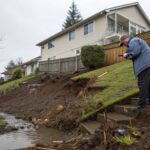

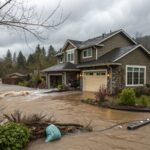
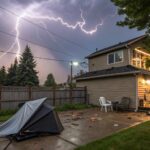
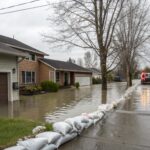
The Pacific Northwest is renowned for its lush landscapes and stunning natural beauty, but Camas residents know that living in this paradise comes with seasonal challenges. Powerful windstorms, particularly during fall and winter months, can sweep through Clark County with surprising intensity, downing trees, damaging property, and causing extended power outages. At Pacific Water & Fire Restoration, we’ve helped countless Camas homeowners recover from storm damage, and we’ve learned that preparation makes all the difference in keeping families safe and minimizing property damage.
Understanding Windstorm Risks in Camas
Camas’s unique geography, nestled between the Columbia River Gorge and the Cascade Mountains, creates a perfect environment for periodic powerful windstorms. The area typically experiences its most severe wind events between October and March, when Pacific storm systems interact with pressure gradients between western and eastern Washington.
Key Windstorm Patterns Affecting Camas
- East Wind Events: Strong easterly winds funneling through the Columbia River Gorge can reach sustained speeds of 30-40 mph with gusts exceeding 60 mph
- Pacific Frontal Systems: Southwesterly winds ahead of strong cold fronts bring both high winds and heavy rainfall
- Convergence Zone Effects: When winds interact with local terrain, creating amplified effects in specific neighborhoods
- Winter Low-Pressure Systems: Deep low-pressure areas delivering prolonged periods of damaging winds
According to historical data from the National Weather Service, Camas experiences approximately 3-5 significant windstorm events annually, with major damage-causing storms occurring every 5-7 years. Climate change models suggest we may see increased storm intensity in coming decades.
The Impact of Windstorms on Camas Properties
Windstorms affect Camas properties in several key ways:
- Tree damage: Falling trees and limbs are the most common cause of significant property damage
- Roof damage: Missing shingles, damaged flashing, and compromised structural elements
- Power outages: Clark Public Utilities reports that the average storm-related outage lasts 2-6 hours, but major events can leave households without power for days
- Water intrusion: Wind-driven rain finds entry points through damaged roofs and siding
- Property debris: Unsecured items becoming dangerous projectiles
- Access issues: Blocked driveways and roads from fallen trees and debris
Creating Your Windstorm Preparedness Plan
Before the Storm Season: Property Preparation
Taking proactive steps before storm season can dramatically reduce your risk of serious damage:
1. Professional Tree Assessment
Healthy, well-maintained trees are far less likely to fail during windstorms. Schedule a professional arborist to:
- Identify hazardous trees and limbs near structures
- Prune trees to reduce wind resistance
- Assess root health of larger trees
- Remove dead or diseased trees
- Create appropriate distance between trees and structures
Pro Tip: The best time for preventative tree work is late summer, before fall storm season begins. Many Camas arborists get booked months in advance, so schedule early.
2. Roof and Home Exterior Inspection
Your roof is your first line of defense against storm damage:
- Ensure shingles or roofing materials are secure and in good condition
- Check for and repair loose siding or trim
- Secure or reinforce fencing and outbuildings
- Inspect and clean gutters and downspouts
- Examine flashing around chimneys, vents, and skylights
- Verify attic ventilation is properly secured
3. Create a Windproof Yard
During high winds, unsecured items can become dangerous projectiles:
- Create a storage plan for patio furniture, planters, and toys
- Secure or store trampolines, which are particularly susceptible to wind
- Install proper anchoring for sheds and outbuildings
- Consider wind-resistant landscaping options
- Maintain a clear zone around your home free of potential projectiles
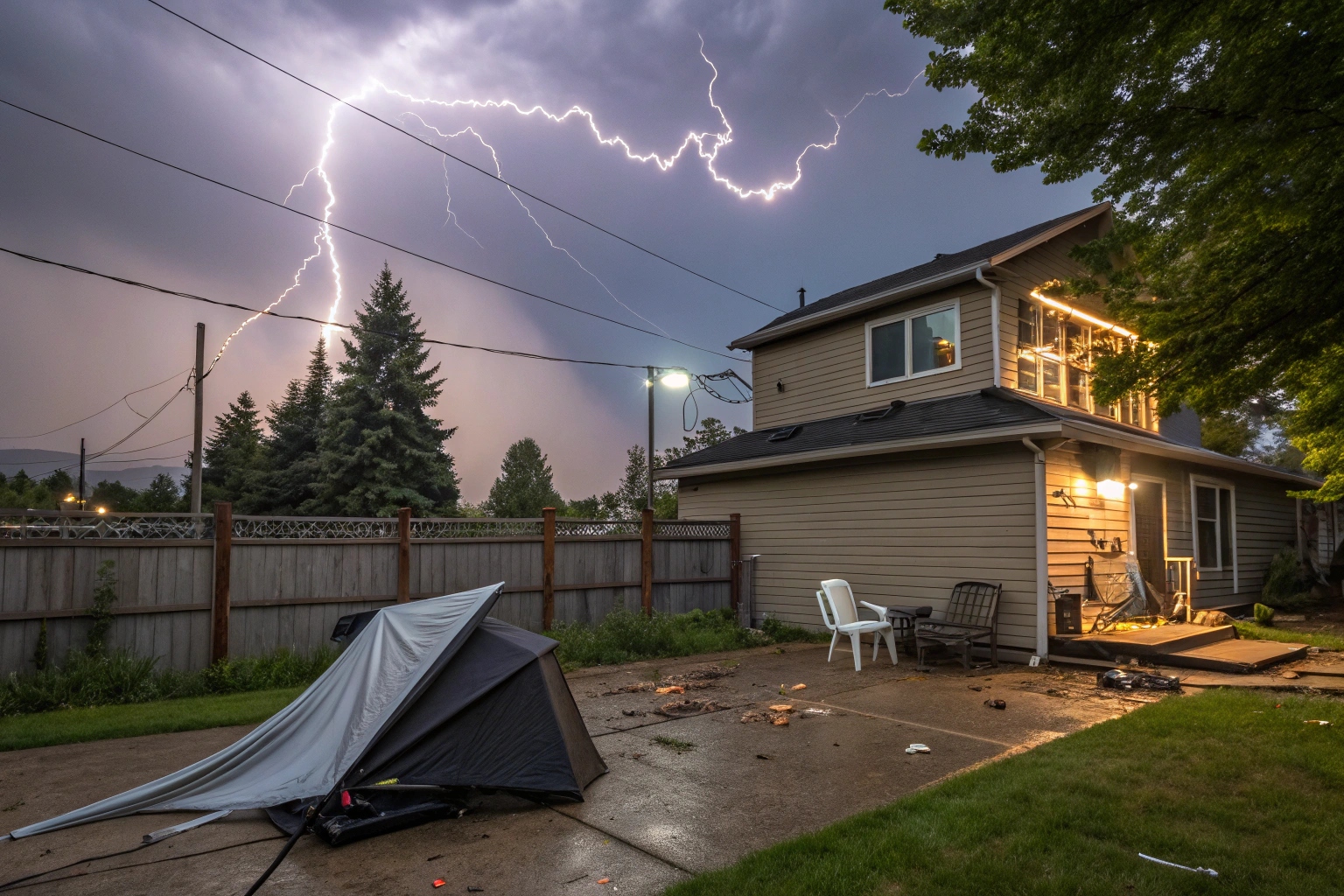
Safety Warning: During an active windstorm warning, secure or bring inside any items that could become airborne – even items you might not expect. We’ve seen trampolines embedded in roofs and patio umbrellas traveling significant distances.
Emergency Preparation for Power Outages
Power outages are among the most common and disruptive consequences of Camas windstorms. Here’s how to prepare:
1. Create a Comprehensive Emergency Kit
Your emergency kit should include:
- Flashlights and lanterns (avoid candles when possible)
- Extra batteries in various sizes
- Portable phone chargers (fully charged)
- Battery-powered or hand-crank radio
- First aid supplies
- Critical medications and copies of prescriptions
- Blankets and warm clothing
- Non-perishable food for 3-5 days
- One gallon of water per person per day
- Cash in small denominations
- Important documents in waterproof container
- Special items for infants, elderly, or pets
2. Backup Power Solutions
Consider these backup power options based on your needs and budget:
- Portable Generators:
- Pros: Relatively affordable, mobile, can power essential appliances
- Cons: Require proper ventilation, manual operation, limited capacity
- Safety note: NEVER operate generators indoors or in garages
- Whole Home Generators:
- Pros: Automatic operation, power entire home, seamless transition
- Cons: Higher installation and maintenance costs
- Battery Backup Systems:
- Pros: No fuel needed, indoor-safe, quiet operation
- Cons: Limited capacity, higher upfront cost
- Solar Options with Battery Storage:
- Pros: Renewable energy source, potential tax incentives
- Cons: Weather-dependent, higher upfront investment
3. Protect Your Home’s Systems
Prepare your home’s critical systems before storms hit:
- Install surge protectors on sensitive electronics
- Learn how to manually operate electric garage doors
- Identify your electrical panel and know how to shut off power
- Consider water supply implications if you have a well with an electric pump
- Maintain proper heating alternatives that don’t require electricity
- Have a plan for refrigerated and frozen food during extended outages
Pro Tip: A well-maintained gas fireplace insert with a battery backup can provide reliable heat during winter power outages. Just ensure proper ventilation and carbon monoxide detection.
4. Communication Planning
Maintain critical communications during outages:
- Keep an updated list of emergency contacts
- Designate an out-of-area contact person for family communication
- Have a battery-powered or hand-crank radio for emergency information
- Consider a landline phone that doesn’t require electricity
- Know how to conserve cell phone battery in emergencies
- Identify community gathering points for information sharing
During the Storm: Safety Protocols
When a windstorm hits Camas, following these protocols can help ensure safety:
- Stay indoors and away from windows
- Use battery-powered lights rather than candles
- Keep refrigerators and freezers closed as much as possible
- Unplug sensitive electronics to prevent surge damage when power returns
- Monitor emergency information via battery-powered radio
- Position yourself in interior rooms away from exterior walls when winds are extreme
- Have a “go bag” ready should evacuation become necessary
Safety Warning: Never approach downed power lines – always assume they are energized and dangerous. Report downed lines to Clark Public Utilities at 360-992-3000.
After the Storm: Recovery and Assessment
Once the storm passes, follow these steps for safe recovery:
1. Safety First
- Check family members for injuries
- Evaluate your home for obvious structural damage
- Watch for hazards like broken glass, exposed nails, and splintered wood
- Be alert for gas leaks (if you smell gas, leave immediately and call from a safe location)
- Stay clear of downed power lines and trees in contact with power lines
2. Document Storm Damage
Before beginning cleanup:
- Take comprehensive photos of all damage for insurance purposes
- Make detailed notes about damaged items and structural issues
- Contact your insurance company promptly to report damage
- Secure broken windows, damaged roofs, and other openings temporarily
3. Professional Assessment
After major windstorms, have professionals assess:
- Structural integrity of your home
- Roof condition, including hidden damage beneath shingles
- Tree stability, particularly for partially uprooted trees
- Water intrusion and potential for mold development
- Electrical systems, especially if power outages occurred
Common Windstorm Damage Scenarios in Camas
Based on our extensive experience helping Camas residents recover from storm damage, here are the most common scenarios we encounter:
1. Tree Impact Damage
When trees or large limbs fall on homes, they can cause catastrophic damage requiring immediate attention:
- Compromised structural integrity
- Roof system failures
- Water intrusion leading to interior damage
- Broken windows and damaged siding
- Personal property damage
Response Protocol:
- Ensure all family members are safe
- Evacuate if structural integrity is compromised
- Contact emergency services if needed
- Call your insurance company immediately
- Arrange for professional tree removal (never attempt to remove large trees yourself)
- Secure the property against further damage
- Document everything thoroughly
2. Wind-Driven Water Intrusion
Even without direct tree impacts, windstorms can compromise your home’s weather resistance:
- Missing shingles or roof damage allowing water penetration
- Wind-driven rain entering through normally protected openings
- Gutter and downspout failures leading to water pooling
- Ground saturation causing basement or crawlspace flooding
Response Protocol:
- Identify and document all water intrusion points
- mplement temporary protection (tarps, plastic sheeting)
- Begin water extraction if safe to do so
- Contact a professional restoration service within 24-48 hours to prevent mold growth
- Inspect insulation and wall cavities for hidden moisture
3. Extended Power Outage Complications
Power outages create secondary challenges beyond the immediate lack of electricity:
Freezing pipes during winter outages
Food spoilage in refrigerators and freezers
Sump pump failures leading to basement flooding
Security system outages
Mold growth in HVAC systems upon power restoration
Response Protocol:
- Implement your power outage plan
- Protect pipes from freezing (open faucets, maintain minimal heat)
- Use generators safely (outdoors, away from windows)
- Monitor refrigerated food (generally safe for 4 hours if unopened)
- Check all systems upon power restoration
Community Resources for Camas Residents
Camas and Clark County offer several resources to help residents prepare for and recover from windstorms:
- Clark Regional Emergency Services Agency (CRESA): Emergency alerts and coordination
- City of Camas Emergency Management: Local preparedness information and resources
- Clark Public Utilities: Outage reporting and restoration information
- Camas Public Works: Storm debris removal assistance
- Clark County Amateur Radio Emergency Services: Emergency communication when traditional methods fail
Insurance Considerations for Windstorm Protection
Protecting your financial investment is crucial when preparing for windstorms:
- Review your homeowner’s policy specifically for windstorm coverage
- Understand your deductible amount for storm-related claims
- Document your home and possessions before storm season begins
- Consider additional coverage for tree removal if you have many trees
- Verify coverage for temporary housing if your home becomes uninhabitable
- Understand coverage limitations for outbuildings, fences, and landscaping
Pro Tip: Insurance claims are processed more smoothly with thorough documentation. We recommend conducting a pre-storm season home inventory with video and photos stored in a cloud-based service.
The Role of Professional Restoration After Storm Damage
While some storm cleanup can be handled by homeowners, significant damage requires professional intervention:
- Professional water extraction prevents secondary damage and mold
- Trained technicians can identify hidden structural damage
- Industrial drying equipment can reach areas homeowners cannot
- Certified restoration specialists work directly with insurance companies
- Professional documentation supports maximum insurance recovery
- Comprehensive restoration addresses both immediate and long-term concerns
Building Long-Term Resilience in Camas
Creating true resilience means thinking beyond immediate preparation:
- Consider impact-resistant roofing materials during your next replacement
- Implement strategic landscaping that reduces wind impact on structures
- Upgrade to impact-resistant windows when renovating
- Install permanent generators or battery backup systems
- Create community connections for mutual support during emergencies
- Develop family emergency plans that adapt to different scenarios
Conclusion: Preparing for Peace of Mind
While we can’t prevent windstorms from affecting Camas, proper preparation dramatically reduces their impact on our families and properties. By implementing the strategies outlined in this guide, Camas residents can face storm season with confidence, knowing they’ve taken responsible steps to protect what matters most.
Remember that preparation is an ongoing process. Review your emergency plans seasonally, maintain your property regularly, and update your supplies as needed. The investment in preparation always pays dividends when storms inevitably arrive.
How Pacific Water & Fire Restoration Can Help
As Clark County’s trusted restoration professionals, Pacific Water & Fire Restoration offers comprehensive services to help Camas residents prepare for and recover from windstorm damage:
- 24/7 Emergency Response: Available day or night at 503-201-7337
- Free Storm Preparedness Assessments: Expert evaluation of your property’s vulnerabilities
- Emergency Board-Up Services: Immediate protection for damaged structures
- Water Damage Restoration: Complete extraction, drying, and restoration services
- Structural Drying: Scientific drying techniques to prevent secondary damage
- Tree Damage Restoration: Comprehensive repair services for tree impact damage
- Content Restoration: Specialized cleaning for water-damaged belongings
- Mold Prevention and Remediation: Professional treatment of storm-related moisture issues
- Insurance Coordination: Assistance working with your insurance provider
Don’t wait until the storm warnings appear to protect your Camas property. Contact our IICRC-certified professionals today for a free consultation on how to prepare your home for this year’s windstorm season.
Call for Immediate Assistance: 503-201-7337
Pacific Water & Fire Restoration is fully licensed, bonded, and insured, serving Camas, Vancouver, Portland, and surrounding communities with 24/7 emergency restoration services.