
Introduction: Mount Hood’s Unique Hazard Profile
The majestic Mount Hood region, with its breathtaking landscapes and outdoor recreational opportunities, attracts thousands of visitors and permanent residents alike. But beneath this beauty lies a complex network of natural hazards that require thoughtful preparation and resilience planning. As Oregon’s highest peak and an active stratovolcano, Mount Hood presents a distinctive combination of disaster risks that differ significantly from those faced by residents in the lower-elevation Portland metro area.
At Pacific Water & Fire Restoration, we’ve worked extensively with property owners throughout the Mount Hood region, from Government Camp to Parkdale, Hood River to Rhododendron. These experiences have given us unique insights into the specific challenges mountain properties face and the most effective strategies for building resilience against the area’s natural hazards.
This comprehensive guide examines Mount Hood’s primary disaster risks and provides practical, actionable strategies for property owners to protect their investments and ensure safety when nature’s forces intensify. Whether you own a vacation cabin, a permanent residence, or a commercial property in the Mount Hood area, understanding and preparing for these region-specific challenges is essential for long-term resilience.
Understanding Mount Hood’s Natural Hazard Landscape
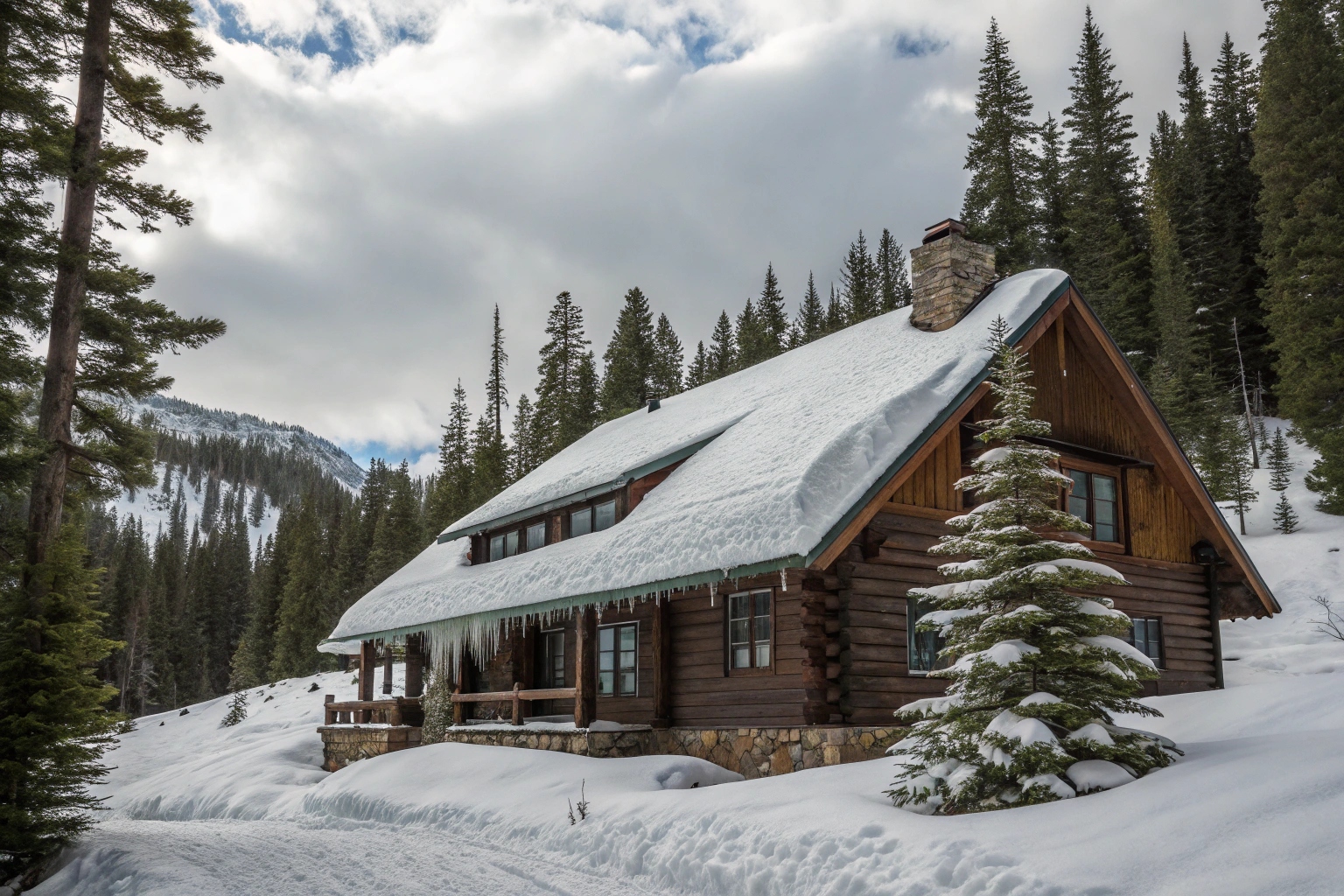
The Alpine Winter: Snow Load and Ice Damage
Mount Hood’s elevation creates winter conditions unlike anywhere else in the region, with significant implications for property protection:
- Extreme Snow Accumulation – Annual snowfall in the Mount Hood area ranges from 150-250 inches at higher elevations, creating substantial structural loads
- Freeze-Thaw Cycles – Temperature fluctuations can cause repeated freezing and thawing, damaging building materials
- Ice Dam Formation – Heat loss from inadequately insulated roofs creates ice dams that force water under roofing materials
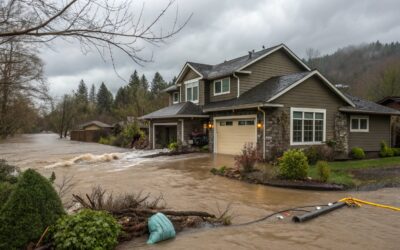
- Snowmelt Flooding – Rapid spring snowmelt can overwhelm drainage systems and cause localized flooding
- Snow-Related Access Issues – Heavy snowfall can isolate properties and delay emergency responses
According to data from the Northwest Avalanche Center, Government Camp averages approximately 175 inches of snowfall annually, while higher elevations near Timberline Lodge can receive over 250 inches. This snow load creates structural stresses that most residential construction in lower elevations never experiences.
Wildfire Risk in the Mountain-Forest Interface
The Mount Hood region faces increasing wildfire vulnerability due to several factors:
- Forest Density – Decades of fire suppression have created dense forest conditions with high fuel loads
- Seasonal Drought – Summer drought periods create extremely dry forest conditions, particularly on south-facing slopes
- Limited Evacuation Routes – Many areas have single-access roads that can become blocked during emergencies
- Complex Terrain – Steep slopes accelerate fire spread and complicate firefighting efforts
- Remote Locations – Extended emergency response times for more isolated properties
The 2020 fire season demonstrated this risk when the Riverside Fire approached the Mount Hood National Forest’s western edge, prompting evacuation orders for several communities. Climate projections suggest wildfire seasons may continue to intensify, making preparation increasingly important.
Water Damage Beyond Flooding: The Mountain Difference
Water damage in the Mount Hood region often comes from different sources than in valley locations:
- Snowmelt Intrusion – Water entry from melting snow against foundations
- Roof System Challenges – Complex roof designs with multiple valleys create vulnerability points
- High Water Tables – Some mountain areas have seasonally high groundwater that affects basements and crawlspaces
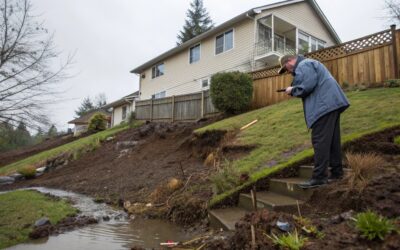
- Stream Migration – Mountain streams can change course during heavy precipitation or snowmelt
- Infrastructure Vulnerability – Water supply systems can freeze, causing pipe failures and subsequent damage
Many Mount Hood properties experience water damage not from traditional flooding but from these mountain-specific challenges that require specialized prevention strategies.
Volcanic and Seismic Considerations
As an active volcano with significant seismic vulnerability, Mount Hood presents additional hazards beyond severe weather:
- Volcanic Hazard Zones – Different areas around Mount Hood face different volcanic risks
- Lahar Flow Paths – Volcanic mudflows follow river valleys and can travel significant distances
- Ashfall Potential – Even minor eruptions can distribute ash that impacts structures and systems
- Earthquake Vulnerability – The Cascade subduction zone creates significant seismic risk
- Landslide Potential – Steep terrain combined with seismic activity increases landslide risk
While major volcanic events are rare, their potential impact is significant enough to warrant consideration in comprehensive preparation planning.
Building Resilience: Property-Level Preparation Strategies
Structural Considerations for Snow and Ice Loads
The weight of Mount Hood’s winter snowpack requires specific structural resilience measures:
Roof System Reinforcement
- Truss Evaluation – Have existing roof structures professionally assessed for load capacity
- Strategic Reinforcement – Add supports to critical load-bearing components as needed
- Roof Pitches – Consider steeper pitches (6:12 or greater) when replacing roofs to improve snow shedding
- Roof Material Selection – Choose materials rated for alpine conditions and impact resistance
- Eave and Valley Protection – Install enhanced ice and water shield membranes at vulnerable points
Pro Tip: For properties at elevations above 3,500 feet, snow loads can exceed 100 pounds per square foot during major winter events. Consider having a structural engineer evaluate your roof system, especially for older cabins or homes built before current snow load requirements were established.
Ice Dam Prevention
- Attic Insulation Upgrades – Ensure consistent R-49 or higher insulation throughout attic spaces
- Ventilation Improvements – Install ridge and soffit vents to maintain cold roof surfaces
- Air Sealing – Prevent warm air leakage into attic spaces through comprehensive air sealing
- Heat Cable Systems – Strategic installation along eaves, valleys, and trouble spots
- Snow Removal Planning – Safe access and proper tools for periodic roof snow management
Safety Warning: Roof snow removal is dangerous work. Consider hiring professionals with proper safety equipment, particularly for steep roofs or two-story structures. Never use metal tools that can damage roofing materials.
Wildfire Defensible Space: The Mountain Approach
Creating effective defensible space in the Mount Hood forest environment requires strategies tailored to mountain conditions:
Vegetation Management Zones
Zone 1 (0-5 feet from structure):
- Create non-combustible perimeter with rock landscaping
- Remove all dead vegetation, including fallen needles
- Eliminate wood mulch in favor of stone or gravel
- Keep firewood and propane tanks outside this zone
- Consider metal mesh screening under decks and porches
Zone 2 (5-30 feet):
- Maintain 10-foot spacing between tree canopies
- Remove ladder fuels by limbing trees up 6-10 feet
- Keep grasses mowed to 4 inches or less during fire season
- Create fuel breaks with hardscaping features
- Remove dead trees and large branches promptly
Zone 3 (30-100+ feet):
- Thin forest understory to reduce fuel continuity
- Maintain access routes for emergency vehicles
- Create defensible space around utilities and outbuildings
- Consider shaded fuel breaks along property boundaries
- Remove highly flammable invasive species
Pro Tip: The Oregon Department of Forestry offers free defensible space assessments for Mount Hood area properties. These assessments provide property-specific recommendations based on your terrain, vegetation type, and structure configuration. Contact the ODF Forest Grove District office at 503-357-2191 to schedule.
Building Hardening for Mountain Fire Resistance
- Roof Materials – Install Class A fire-rated roofing (metal, tile, or composite)
- Vent Protection – Cover all vents with 1/8-inch mesh to prevent ember entry
- Deck Construction – Choose materials with high ignition resistance; consider metal deck framing
- Siding Options – Select fiber cement, stucco, or metal rather than wood siding
- Windows – Install multi-pane tempered glass windows that resist breaking under heat
- Gutter Guards – Install non-combustible gutter covers to prevent debris accumulation
- Access Considerations – Ensure address markers are clearly visible and driveways allow emergency vehicle access
For Mount Hood properties, building hardening becomes particularly important due to longer emergency response times in many areas. Your home may need to resist ember exposure longer before help arrives compared to urban locations.
Water Management for Mountain Properties
Effective water management in the Mount Hood region requires addressing snowmelt and seasonal challenges:
Foundation Protection
- Grading Improvements – Ensure positive drainage away from foundations, accounting for snow accumulation areas
- French Drain Installation – Consider exterior drainage systems for properties on slopes
- Foundation Waterproofing – Apply modern waterproofing membranes during construction or renovation
- Insulation Strategies – Properly insulate crawlspaces and basement walls to prevent freezing
- Sump Systems – Install sump pumps with battery backups for high water table areas
Plumbing System Protection
- Pipe Insulation – Insulate water lines in unheated spaces with appropriate materials and thicknesses
- Heat Tape Installation – Apply self-regulating heat tape to vulnerable pipe sections
- Shut-Off Valve Access – Ensure main water shut-offs are accessible and operational
- Drain Valves – Install proper drain points for winterization of seasonal properties
- Smart Water Sensors – Deploy freeze and leak detection technology with remote monitoring
Pro Tip: For vacation properties that sit unoccupied during parts of winter, consider installing water flow monitoring systems that can automatically shut off water if leaks are detected. These systems can prevent catastrophic damage from frozen pipes that burst while properties are vacant.
Energy Resilience in an Isolated Environment
Power disruptions are common in the Mount Hood area, requiring thoughtful backup systems:
- Generator Selection – Choose appropriately sized systems with automatic transfer switches
- Fuel Storage – Maintain adequate propane or gasoline supplies for extended outages
- Alternative Heating – Install wood stoves or propane heating systems that function without electricity
- Solar Options – Consider solar systems with battery backup for critical loads
- Critical System Identification – Prioritize which systems must remain operational during outages
Safety Warning: Ensure all alternative heating systems are properly installed and vented to prevent carbon monoxide poisoning. Install CO detectors on every level of your home and test them monthly during winter when heating systems run continuously.
Emergency Planning for Mount Hood’s Unique Challenges
Seasonal Evacuation Planning
Mount Hood’s changing seasons create different evacuation considerations throughout the year:
Winter Evacuation Considerations
- Vehicle Preparation – Maintain appropriate vehicles with snow tires or chains
- Multiple Route Planning – Identify alternate routes accounting for road closures
- Winter Supply Caches – Store emergency supplies in vehicles during winter travel
- Communication Redundancy – Have multiple communication methods available
- Shelter Options – Identify potential emergency shelter locations along evacuation routes
Summer Evacuation Planning
- Wildfire Monitoring – Maintain awareness of fire conditions and active incidents
- Early Decision-Making – Plan to evacuate earlier than might seem necessary
- Tourism Considerations – Account for increased traffic during peak seasons
- Pet and Livestock Planning – Develop specific plans for animals during evacuation
- Destination Planning – Establish specific evacuation destinations with multiple alternatives
Pro Tip: Create season-specific emergency go-bags tailored to both winter and summer evacuation scenarios. Winter bags should include additional warming layers, traction devices for shoes, and hand warmers, while summer bags should include respirator masks, eye protection, and lightweight cooling options.
Communication Planning: Overcoming Mountain Limitations
The Mount Hood region’s topography creates communication challenges requiring special planning:
- Signal Mapping – Identify locations on your property with reliable cell service
- Alternative Communication – Consider satellite phones or two-way radios
- Emergency Information Sources – Have battery-powered NOAA weather radios
- Community Networks – Participate in neighborhood emergency communication groups
- Check-In Protocols – Establish regular check-in procedures with off-mountain contacts
Several Mount Hood communities have established neighborhood emergency communication hubs where information can be shared during disasters when normal communications are disrupted.
Insurance Considerations for Mountain Properties
Mount Hood properties face unique insurance challenges that require careful attention:
- Coverage Verification – Ensure policies adequately address snow damage, which differs from standard water damage
- Seasonal Occupancy Clauses – Understand how occupancy status affects coverage
- Wildfire Protection Documentation – Keep records of defensible space work to support coverage continuation
- Accurate Replacement Cost Assessment – Mountain construction costs can exceed regional averages
- Special Endorsements – Consider coverage for mudflow, landslide, and earth movement
- Access Issues – Understand how insurers view properties with limited access
According to insurance industry data, approximately 60% of Mount Hood vacation property owners have significant gaps in their coverage, particularly regarding seasonal occupancy requirements and snow damage provisions.
Case Study: The Martin Cabin’s Resilience Transformation
Property Background
The Martin family purchased their 1970s-era A-frame cabin near Government Camp in 2018. The property presented several challenges:
- 1,800 square feet with original roof structure
- Minimal defensible space with trees close to structure
- Outdated electrical and plumbing systems
- Limited winter access via steep driveway
- Periodic vacancy during peak winter season
Phased Improvement Approach
The Martins implemented a three-year improvement plan focused on building resilience:
Year 1: Critical Vulnerabilities
- Professional snow load assessment and roof reinforcement
- Improved attic insulation and ventilation
- Installation of monitored water flow system
- Creation of Zone 1 defensible space
- Basic emergency supply cache establishment
Year 2: System Upgrades
- Plumbing system winterization upgrades
- Installation of backup propane heating
- Electrical system modernization with transfer switch
- Expansion of defensible space to Zone 2
- Driveway improvements for better winter access
Year 3: Long-Term Resilience
- Roof replacement with Class A fire-rated material
- Complete building hardening with ember-resistant vents
- Installation of remote monitoring systems
- Comprehensive Zone 3 forest management
- Development of detailed seasonal emergency plans
Resilience Tested
The Martins’ improvements were tested in the winter of 2021 when a major storm delivered over 30 inches of snow followed by a rapid warming event. While several neighboring properties experienced roof damage or water intrusion, the Martin cabin remained secure. The monitoring system detected a minor pipe leak before it caused significant damage, and the reinforced roof structure handled the snow load without issue.
The total investment in resilience improvements totaled approximately $42,000 over three years, but prevented an estimated $65,000 in potential damages during this single event, while also significantly increasing the property’s market value and insurability.
Seasonal Maintenance: The Key to Ongoing Resilience
Critical Seasonal Checklists
Maintaining mountain property resilience requires regular seasonal maintenance:
Fall Preparation (September-October)
- Clean gutters and downspouts before first snow
- Inspect and clean chimney systems
- Test all heating systems before heavy use
- Complete defensible space clearing before winter
- Winterize irrigation systems
- Stock emergency supplies for winter isolation
- Verify generator operation and fuel supplies
- Clear fire department access routes
Spring Recovery (April-May)
- Inspect roof system for winter damage
- Check foundation for snowmelt infiltration issues
- Restore water systems properly if winterized
- Clean defensible space zones of winter debris
- Test all plumbing systems for freeze damage
- Inspect trees for winter damage/hazards
- Update emergency plans for summer season
- Schedule professional HVAC maintenance
Pro Tip: Maintain a digital seasonal maintenance log with photos documenting completion of key tasks. This documentation can be valuable for insurance purposes and helps ensure consistent property protection over time, especially for vacation properties where maintenance might otherwise be inconsistent.
Community Resources for Mount Hood Property Owners
Local Emergency Services and Information
- Hoodland Fire District #74 – 503-622-3256
- Clackamas County Emergency Management – 503-655-8224
- Hood River County Emergency Management – 541-386-1213
- Mt. Hood National Forest Ranger Station – 503-668-1700
Disaster Preparedness Organizations
- Mt. Hood Communities Emergency Response Team (CERT)
- Villages at Mt. Hood Emergency Preparedness Committee
- Oregon Department of Forestry Firewise Communities Program
- Clackamas County Disaster Management Council
Professional Services for Mountain Properties
- Structural Engineers specializing in snow loads
- Wildfire defensible space contractors
- Mountain-specific insurance brokers
- Remote monitoring system installers
- Professional property management with disaster response protocols
Conclusion: Building a Resilient Future on Mount Hood
Mount Hood’s natural beauty comes with inherent risks that require thoughtful preparation and ongoing vigilance. By understanding the region’s unique hazard profile and implementing appropriate resilience strategies, property owners can significantly reduce their vulnerability while protecting their investment for the long term.
The most effective approach combines physical improvements to your property with comprehensive planning, community connections, and appropriate professional support. Rather than viewing disaster preparation as a one-time project, successful mountain property owners embrace resilience as an ongoing commitment—a regular part of the mountain lifestyle that becomes as routine as enjoying the stunning views and recreational opportunities.
As climate patterns continue to evolve and development expands further into mountain areas, proactive resilience building becomes increasingly valuable. The investments you make today in structural improvements, defensible space, emergency planning, and seasonal maintenance will pay dividends not just during disasters but in everyday peace of mind.
How Pacific Water & Fire Restoration Can Help
As Portland’s trusted restoration experts with extensive experience throughout the Mount Hood region, we offer specialized services for mountain properties:
- Mountain-Specific Property Assessments identifying vulnerabilities unique to your location and elevation
- Custom resilience planning tailored to your property’s specific hazard profile
- 24/7 emergency response with crews experienced in mountain access challenges
- Complete restoration services from initial mitigation through reconstruction
- Documentation assistance for insurance claims
- Second-home monitoring services for vacation properties
Don’t wait until disaster strikes. Contact Pacific Water & Fire Restoration today:
- Emergency Services: 503-201-7337 (available 24/7)
- Schedule a Free Mountain Property Assessment: Visit pacificwaterandfirerestoration.com or call our office
- Learn More: Attend our seasonal mountain property preparation workshops held in Government Camp and Hood River (details on our website)
Our IICRC-certified professionals understand the unique challenges of Mount Hood properties and can help you develop effective strategies for year-round protection, regardless of elevation, access, or specific vulnerabilities.
Pacific Water & Fire Restoration is a full-service property restoration company serving Portland and surrounding communities including the Mount Hood region. With IICRC certification and 24/7 emergency response, we’re committed to helping property owners before, during, and after disasters strike.