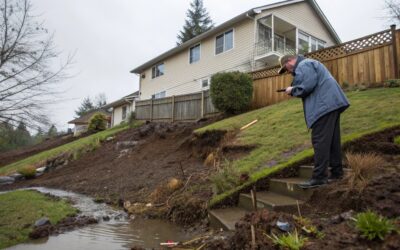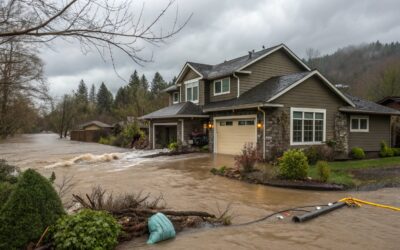
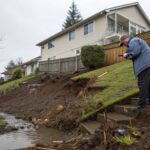


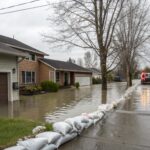
For Keizer residents, the Willamette River’s beauty comes with seasonal challenges that can quite literally hit close to home. Situated where the Willamette meets smaller tributaries, Keizer has historically faced flooding issues during heavy winter rains and spring snowmelt periods. At Pacific Water & Fire Restoration, we’ve helped numerous homeowners throughout the Portland metro area recover from water damage, and we believe that understanding your specific flood risks and having a clear action plan are essential for protecting your property and family.
Understanding Keizer’s Unique Flood Risk Profile
Keizer’s proximity to the Willamette River, Claggett Creek, and other waterways creates a distinctive flood vulnerability that requires specific preparation strategies.
Local Flood History and Patterns
Keizer has experienced significant flooding events throughout its history, most notably during the major Willamette Valley floods of 1996 when hundreds of homes suffered damage. More recently, rising waters in 2012, 2019, and 2021 have reminded residents of the ongoing risk.
According to the Marion County Flood Insurance Study, certain Keizer neighborhoods face particularly elevated risks:
- Areas near Claggett Creek
- Neighborhoods along River Road North
- Properties in the Keizer Station vicinity
- Homes near McNary Estates
Key Triggers for Keizer Flooding
Several factors can contribute to flooding in our area:
- Atmospheric rivers bringing sustained heavy rainfall to the Willamette Valley
- Rapid snowmelt from the Cascade Range
- Saturated soil conditions after extended wet periods
- High river stages on the Willamette River
- Localized drainage issues in developing areas
Local Context: The Willamette Valley typically receives 40-50 inches of annual rainfall, with the heaviest precipitation occurring between November and February—precisely when flood awareness should be highest for Keizer residents.
Early Warning Signs: Monitoring and Preparation
Being proactive about monitoring flood conditions can provide crucial extra time for preparation.
Essential Monitoring Resources
- National Weather Service Advanced Hydrologic Prediction Service: Provides river level forecasts for the Willamette River
- Marion County Emergency Management: Issues local flood watches and warnings
- Keizer Public Works Department: Monitors drainage systems and provides updates during heavy rain events
- Oregon Water Resources Department: Maintains real-time river gauge data
Pro Tip: Add the National Weather Service Salem office (503-393-2024) to your phone contacts for immediate access to the latest flood information.
Understanding Flood Terminology
Knowing the difference between various alerts can help you gauge urgency:
- Flood Watch: Flooding is possible within the watch area
- Flood Warning: Flooding is imminent or occurring
- Flash Flood Warning: Sudden and violent flooding is imminent or occurring
- 100-Year Flood Plain: Areas with a 1% annual chance of flooding
Before the Flood: Comprehensive Preparation Strategies
Taking proactive measures before flooding occurs can significantly reduce potential damage to your home and ensure family safety.
Home Assessment and Documentation
- Determine your flood zone: Check FEMA flood maps through Marion County’s planning department or FEMA’s Flood Map Service Center
- Document your possessions: Create a detailed inventory with photos/videos for insurance purposes
- Store critical documents: Keep insurance policies, identification, and other vital papers in waterproof containers
- Review insurance coverage: Standard homeowner’s policies typically DO NOT cover flooding; consider a separate National Flood Insurance Program (NFIP) policy
Important Note: Flood insurance policies typically have a 30-day waiting period before coverage begins, so don’t wait until flooding is imminent to purchase protection.
Physical Home Preparation
Essential Modifications for Flood-Prone Homes
- Install check valves: Prevent sewer lines from backing up into your home
- Elevate utilities: Raise electrical systems, water heaters, and HVAC equipment at least 12 inches above potential flood levels
- Apply waterproofing compounds: Seal basement walls and foundation
- Improve grading: Ensure the ground slopes away from your foundation
- Install sump pumps: Consider battery backup systems for power outages
Emergency Supply Kit Essentials
Prepare a comprehensive emergency kit that includes:
- Water: One gallon per person per day for at least three days
- Non-perishable food: Minimum three-day supply
- Battery-powered radio: For emergency broadcasts
- Flashlights and extra batteries
- First aid supplies
- Personal hygiene items
- Cell phone chargers: Including solar or hand-crank options
- Emergency contact information
- Cash: ATMs and credit card systems may be unavailable
Creating a Family Emergency Plan
- Designate meeting locations: Identify both neighborhood and out-of-area meeting points
- Establish communication protocols: Sometimes text messages can get through when calls cannot
- Plan evacuation routes: Know multiple ways to reach higher ground
- Prepare for pets: Have carriers, food, and identification ready
- Share your plan: Ensure all family members understand what to do
During a Flood: Safety First
If flooding becomes imminent, these steps can help protect your family and minimize property damage.
Emergency Home Protection Measures
When flooding is predicted but evacuation hasn’t been ordered:
- Move valuables to higher levels: Relocate furniture, electronics, and important items upstairs
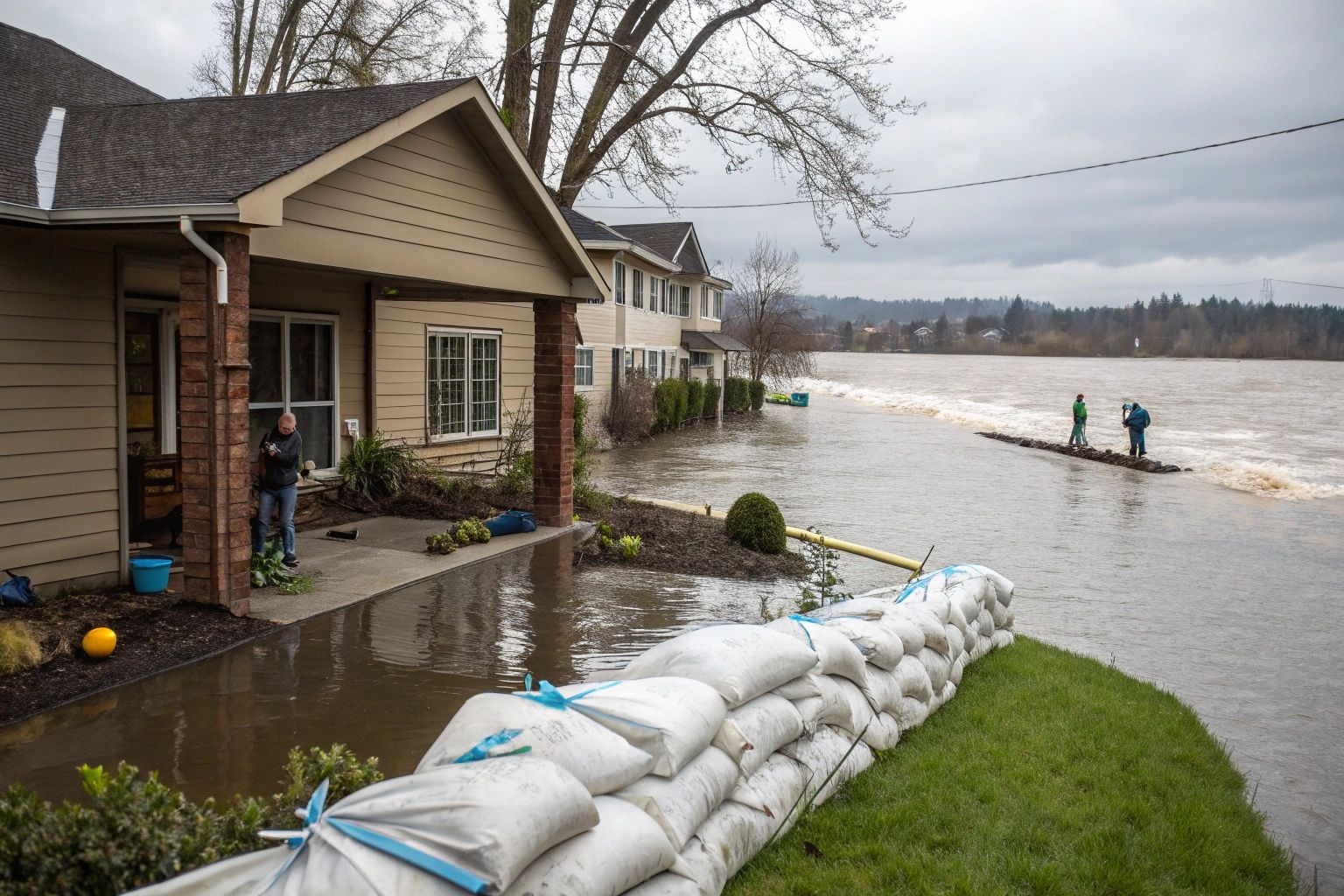
- Deploy sandbags: Place around entry points (Keizer Public Works sometimes provides sandbags during flood events)
- Disconnect electrical appliances: Never touch electrical equipment if you’re wet or standing in water
- Clear gutters and drains: Ensure water can flow freely away from your home
- Fill bathtubs with clean water: In case water supply becomes contaminated
Evacuation Guidelines
If authorities issue evacuation orders:
- Act quickly: Don’t wait until water reaches your property
- Follow recommended routes: Avoid shortcuts as they may be unsafe
- Never drive through floodwaters: Just 12 inches of moving water can float a vehicle
- Avoid walking through floodwater: It may contain contaminants or hidden hazards
- Stay informed: Monitor emergency broadcasts for updates
Safety Warning: According to the National Weather Service, more than half of all flood-related drownings occur when vehicles are driven into hazardous floodwaters. Remember: Turn Around, Don’t Drown!
After the Flood: Recovery and Restoration
Once floodwaters recede and authorities declare it safe to return, the recovery process begins—a phase that’s critical for preventing long-term damage.
Safety Assessment Before Re-Entry
Before entering your flood-affected home:
- Check structural integrity: Look for warping, cracks, or foundation damage
- Turn off electricity at the main breaker: Even if power is out in the area
- Watch for gas leaks: If you smell gas, exit immediately and call your utility provider
- Document everything: Take photos and videos of all damage before beginning cleanup
- Wear protective gear: Gloves, masks, and waterproof boots are essential
Health Warning: Floodwater is often contaminated with sewage, chemicals, and other hazardous materials. Without proper protection, you risk serious health consequences.
The Critical Cleanup Timeline
The first 24-48 hours after flooding are crucial for preventing secondary damage:
Immediate Actions (0-24 hours)
- Extract standing water: Use pumps and wet vacuums if available
- Remove saturated materials: Carpet, padding, drywall, and insulation that cannot be dried
- Create airflow: Open windows and doors if weather permits
- Salvage valuables: Rinse mud-covered items with clean water and allow to air dry
- Begin disinfection: Clean hard surfaces with bleach solution (1 cup bleach per gallon of water)
Secondary Response (24-72 hours)
- Continue moisture removal: Use dehumidifiers and fans
- Monitor for mold growth: Begin appearing as soon as 48 hours after flooding
- Sort damaged items: Determine what can be salvaged versus what must be discarded
- Contact your insurance company: Begin the claims process
- Document expenses: Keep all receipts related to cleanup and temporary housing
Professional Restoration vs. DIY
While minor water intrusion might be manageable as a DIY project, significant flooding typically requires professional intervention. Here’s why:
- Hidden moisture detection: Professional equipment can identify water in wall cavities, under flooring, and other concealed areas
- Complete extraction: Industrial-grade water removal equipment is significantly more effective than consumer-grade options
- Proper sanitization: Flood-contaminated materials require specific cleaning protocols
- Advanced drying techniques: Scientific drying methods prevent secondary damage
- Mold prevention: Professional antimicrobial treatments can block fungal growth
Pro Tip: At Pacific Water & Fire Restoration, our IICRC-certified technicians use thermal imaging cameras to detect hidden moisture that the naked eye cannot see—crucial for preventing long-term structural issues and mold growth.
Understanding Insurance and Assistance
Navigating the financial aspects of flood recovery:
- Document everything: Take detailed photos and videos before, during, and after cleanup
- Understand coverage limitations: Standard homeowner’s policies typically exclude flood damage
- Keep all receipts: For emergency repairs, temporary housing, and replacement items
- Check for disaster assistance: FEMA may provide aid following major declared disasters
- Consider SBA disaster loans: Available for homeowners in declared disaster areas
Long-Term Resilience: Protecting Your Keizer Home
Beyond immediate recovery, consider these long-term strategies to better protect your property from future flooding.
Home Improvements for Flood Mitigation
- Elevate your home: In repeatedly flooded areas, consider raising your entire structure
- Install permanent flood barriers: Various systems are available for different budgets
- Implement permeable landscaping: Reduces runoff by allowing water to seep into the ground
- Create swales or rain gardens: Direct water away from your foundation
- Upgrade to water-resistant building materials: During renovations, choose flood-resistant options
Community Resources and Support
Keizer residents can access valuable flood information and assistance through:
- Keizer Emergency Management: Provides local flood preparation resources
- Marion County Emergency Management: Coordinates regional emergency response
- Oregon Emergency Management: Offers preparedness information and disaster recovery assistance
- FEMA’s National Flood Insurance Program: Provides flood insurance options and information
Conclusion: Building Flood Resilience in Keizer
Living with the beauty of the Willamette Valley means acknowledging and preparing for seasonal flood risks. By understanding the specific challenges Keizer properties face, implementing proactive preparation strategies, and knowing how to respond effectively during and after flooding events, residents can significantly reduce potential damage and ensure family safety.
At Pacific Water & Fire Restoration, we’ve witnessed firsthand how preparation and quick response can make the difference between minor inconvenience and catastrophic loss. While we’re always ready to help with professional restoration services, we believe that empowering homeowners with knowledge is equally important in our mission to serve the Portland metro community.
Need Emergency Flood Response or Want to Prepare Better?
If you’re dealing with flood damage or want to schedule a preventive assessment of your home’s flood vulnerabilities, our team of IICRC-certified restoration professionals is available 24/7.
For emergency service: Call 503-201-7337
For preventive assessments: Schedule a free consultation to identify and address potential vulnerabilities before flooding occurs.
Remember, when it comes to flooding in Keizer, preparation is your best defense, but should water find its way into your home, professional restoration is your best path to recovery.
Pacific Water & Fire Restoration is a full-service property restoration company serving Portland and surrounding communities including Keizer. Our IICRC-certified technicians are available 24/7 for emergency water extraction, structural drying, and complete restoration services for both residential and commercial properties.