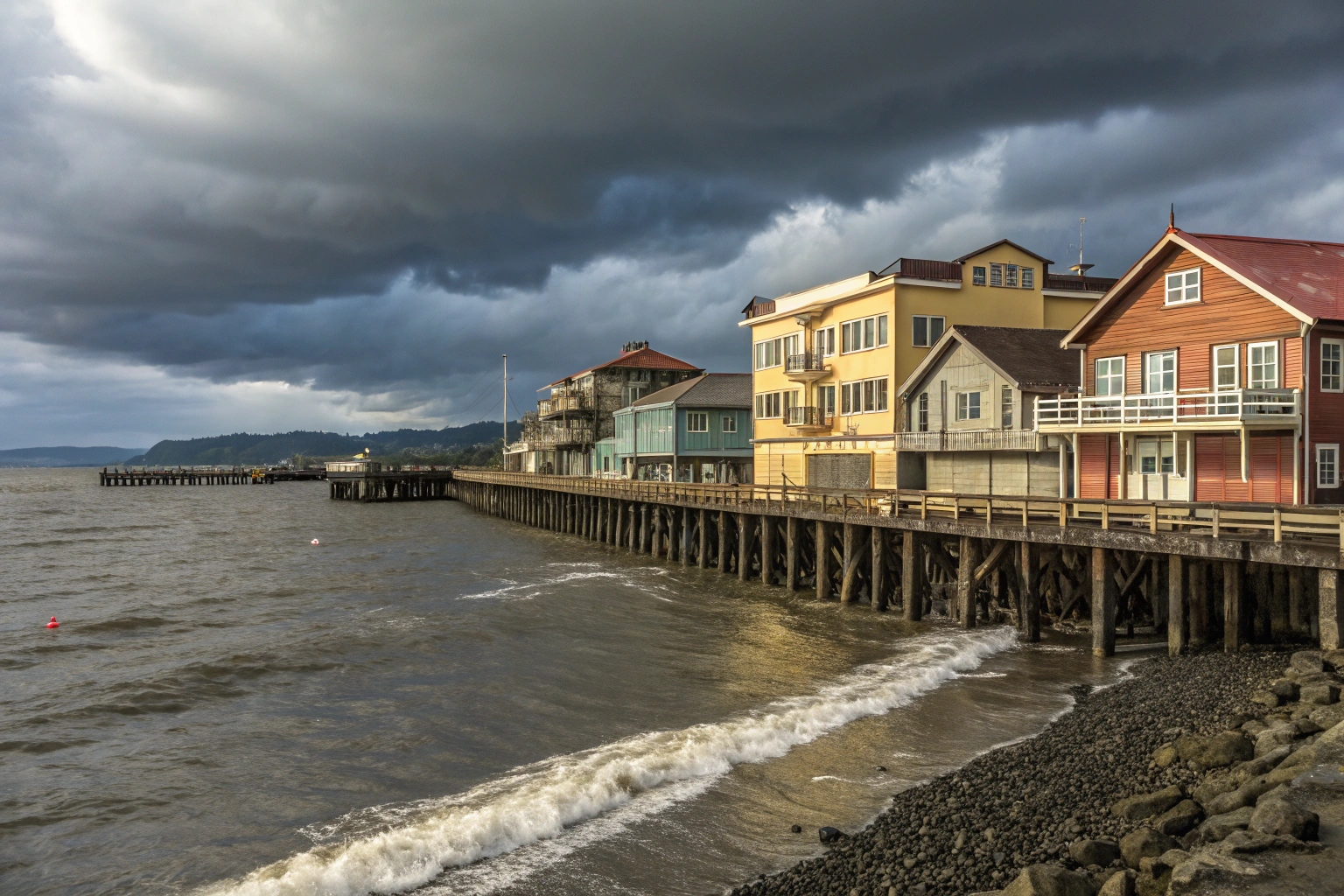

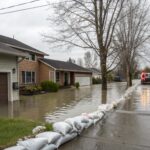
Perched at the northwestern tip of Oregon, where the mighty Columbia River meets the Pacific Ocean, Astoria stands as a testament to resilience. Founded in 1811 as America’s first permanent settlement west of the Rocky Mountains, this historic port city has weathered more than two centuries of flooding challenges from both its riverfront and coastal exposures. This unique geographic position has created a distinctive set of water-related threats that have shaped the city’s development, infrastructure, and community response.
As restoration professionals serving the Pacific Northwest, we’ve witnessed firsthand how Astoria’s dual water challenges create complex restoration scenarios that require specialized knowledge and techniques. Whether you own property in Astoria, manage facilities there, or simply want to understand this fascinating city’s relationship with water, this exploration of Astoria’s flooding dynamics offers valuable insights into water damage prevention, response, and recovery.
Astoria’s Unique Geographic Vulnerability
To understand Astoria’s flooding challenges, we must first appreciate its remarkable setting:
The Confluence of Giants
Astoria sits at one of North America’s most dramatic water intersections:
- The Columbia River: North America’s fourth-largest river by volume, draining a watershed of 258,000 square miles
- The Pacific Ocean: Bringing powerful storm systems, king tides, and tsunami potential
- The Columbia Bar: Known as “The Graveyard of the Pacific” due to its dangerous waters where river meets ocean
- Youngs Bay: A shallow estuary system south of downtown that amplifies tidal effects
- Local Impact: This convergence creates a dynamic water environment where river flooding, tidal influences, storm surge, and ocean-driven weather systems interact in complex ways that can amplify flooding risks.
Astoria’s Topographical Challenges
The city’s distinctive landscape creates several specific vulnerabilities:
- Steep Hillside Development: The majority of the historic downtown is built on a steep slope rising from the Columbia River
- Waterfront Construction: Many commercial buildings are constructed directly on pilings over the water
- Drainage Gradient: The steep hillsides create high-velocity water flows during heavy rains
- Fill Areas: Portions of downtown were historically built on filled tidelands, making them susceptible to subsidence and poor drainage
Restoration Perspective: We’ve observed that properties in different areas of Astoria face dramatically different water challenges based on their specific location, elevation, and construction methods.
The Dual Threat: Understanding Astoria’s Flooding Sources
Astoria faces flooding challenges from both river and ocean sources, sometimes occurring simultaneously:
Columbia River Flooding Dynamics
The Columbia River poses several distinct flooding threats to Astoria:
Upstream Discharge Events
When heavy precipitation or rapid snowmelt occurs in the Columbia Basin, massive volumes of water move downstream toward Astoria:
- During the catastrophic 1948 Vanport flood, Columbia River levels at Astoria rose over 3.5 feet above normal high tide
- Modern dam systems have reduced but not eliminated this risk
- Climate models predict increasing frequency of high-discharge events
- These events can last for weeks, creating sustained high water
Historical Context: Before upstream dam construction began in the 1930s, spring snowmelt regularly caused significant flooding in Astoria’s waterfront areas.
Riverfront Wave Action
The combination of river currents, tides, and wind can create destructive wave patterns along Astoria’s waterfront:
- The Columbia River at Astoria is approximately 4 miles wide, creating significant fetch for wave development
- Strong westerly winds can push water against the riverfront
- Ship wakes add additional wave action against waterfront structures
- These waves can breach seawalls and damage building foundations
Property Impact: Waterfront properties with inadequate seawall protection or deteriorated pilings are particularly vulnerable to this combination of high water and wave action.
Coastal Storm Influences
Astoria’s proximity to the Pacific Ocean exposes it to several coastal flooding mechanisms:
Storm Surge Events
When powerful Pacific storms coincide with high tides, Astoria experiences storm surge effects:
- Water levels can rise 2-3 feet above predicted tides
- Surge waters can back up stormwater systems
- Wind-driven waves compound the surge impact
- Low-lying areas near Youngs Bay are particularly vulnerable
Restoration Challenge: Storm surge events often involve saltwater intrusion, which creates more complex restoration needs than freshwater flooding as salt accelerates corrosion and creates persistent hygroscopic conditions that attract additional moisture.
King Tide Phenomenon
King tides—the highest predicted tides of the year—increasingly impact Astoria:
- King tides that historically remained below critical infrastructure now regularly overtop seawalls
- When combined with storm systems, king tides can cause significant flooding
- Rising sea levels are gradually increasing king tide impacts
- These events are predictable but often unavoidable
Local Example: During January 2022 king tides, portions of Astoria’s historic waterfront district experienced flooding even without storm conditions, resulting in business closures and property damage.
The Compound Flood Threat
Astoria’s most significant flooding occurs when multiple water sources combine:
- High Columbia River discharge meeting a rising tide
- Storm surge coinciding with heavy local rainfall
- King tides combined with strong westerly winds
- Stormwater system backups during high water events
Restoration Insight: These compound events create complex damage patterns that require comprehensive understanding of both the water sources and building construction to effectively mitigate and restore.
Historic Flooding Events: Learning from Astoria’s Past
Examining past flooding provides valuable insights into Astoria’s vulnerabilities and response capabilities:
The Great Coastal Gale of 2007
This massive storm system battered the Oregon coast for three days with hurricane-force winds and record-breaking rainfall. In Astoria, the storm caused:
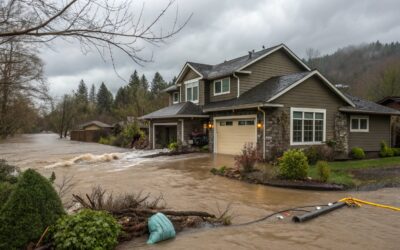
- Significant flooding in waterfront areas
- Wind-driven wave damage to riverfront structures
- Power outages lasting up to five days
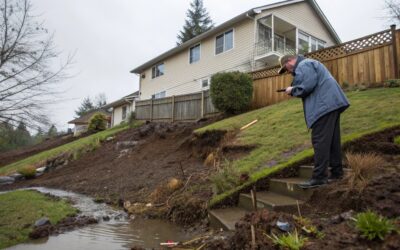
- Multiple landslides on Astoria’s steep hillsides
- Widespread basement flooding throughout the city
Property Impact: Buildings with inadequate drainage systems suffered the most severe damage, as many property owners discovered that their systems were designed for typical rainfall, not extreme events.
December 2015 Flood Event
A combination of king tides and heavy rainfall created significant flooding:
- Downtown stormwater systems were overwhelmed
- Multiple businesses experienced water intrusion
- Landslides damaged residential properties on hillsides
- Maritime infrastructure suffered wave damage
- Electrical systems in multiple buildings were compromised
Restoration Challenge: This event highlighted how even seemingly minor water intrusion (1-2 inches) can cause major damage to historic buildings with original wood flooring and lath-and-plaster walls, which are common in downtown Astoria.
January 2022 King Tide Flooding
More recently, king tides alone caused notable flooding:
- Several waterfront businesses experienced flooding
- Parking areas along the waterfront were inundated
- Portions of the Astoria Riverwalk were underwater
- Multiple docks and marine facilities were impacted
- Water entered the crawlspaces of numerous buildings
Adaptation Response: Following this event, several waterfront businesses installed deployable flood barriers that can be quickly implemented during high water events.
Community Adaptations: How Astoria Has Responded
Astoria has implemented several innovative approaches to manage its complex flooding challenges:
Infrastructure Improvements
The city has gradually upgraded its infrastructure to better handle water threats:
- Stormwater System Modernization: Installing backflow preventers and increasing capacity
- Seawall Reinforcement: Strengthening barriers along vulnerable portions of the waterfront
- Pump Station Upgrades: Improving capacity and adding backup power systems
- Tide Gate Maintenance: Ensuring proper function of tide gates to prevent backflow
- Green Infrastructure: Implementing permeable surfaces and rain gardens to reduce runoff
Engineering Approach: Rather than fighting against water entirely, many of these improvements focus on managing water flow and reducing damage potential.
Building Adaptation Strategies
Astoria’s building owners have implemented various water-resilient approaches:
- Elevated Utilities: Raising electrical systems above potential flood levels
- Deployable Barriers: Installing systems that can quickly protect doorways and openings
- Waterproof Membranes: Applying waterproofing treatments to foundation walls
- Moisture Monitoring Systems: Installing sensors that provide early warning of water intrusion
- Saltwater-Resistant Materials: Using marine-grade materials in vulnerable areas
Restoration Perspective: Buildings that have implemented these adaptations typically experience 60-70% less damage during flood events compared to those without protections.
Zoning and Land Use Regulations
Astoria has adjusted its development regulations to account for flood risks:
- Enhanced elevation requirements for new construction
- Special foundations requirements in liquefaction zones
- Restrictions on basement construction in high-risk areas
- Incentives for green stormwater infrastructure
- Historic preservation approaches that include flood resilience
Future Planning: Astoria’s 2040 comprehensive plan explicitly addresses sea level rise and increasing flood risks, incorporating adaptive management strategies.
Property-Level Flood Resilience: Lessons from Astoria
Astoria property owners have developed effective strategies that offer valuable lessons for buildings throughout the Pacific Northwest:
Site-Specific Risk Assessment
Pro Tip: Before implementing flood protection measures, invest in a professional assessment that considers your specific location, elevation, and building construction. Flooding risks vary dramatically within just a few hundred feet in Astoria due to elevation changes and infrastructure differences.
Key assessment elements should include:
- Elevation relative to both river flood levels and tidal influences
- Drainage patterns during heavy rainfall
- Soil stability and potential for landslides
- Foundation type and vulnerability
- Underground utility connections
Effective Water Barrier Systems
Several barrier approaches have proven effective in Astoria:
- Deployable Door Shields: Aluminum or composite barriers that can be quickly installed
- Sealing Foundations: Professional-grade waterproofing for below-grade walls
- Strategic Landscaping: Using berms and drainage channels to direct water away from structures
- Permanent Flood Walls: For high-risk areas, permanent barriers with closure gates
- Window Wells and Covers: Protecting below-grade windows from water intrusion
Cost Perspective: While some of these measures represent significant investments, they typically pay for themselves after a single significant flood event. Data from Astoria businesses shows an average return on investment within 3-7 years.
Drainage and Pump Systems
Proper water management systems are crucial in Astoria’s environment:
- Sump Pump Systems: Installing primary and backup systems with battery or water-powered backup
- French Drains: Creating paths for water to move away from foundations
- Grading Improvements: Ensuring proper slopes away from buildings
- Gutter Systems: Properly sized and maintained gutters with downspouts directed away from foundations
- Check Valves: Preventing sewer backups during high water events
Maintenance Warning: These systems require regular inspection and maintenance. We’ve seen numerous cases where properly installed systems failed during flood events due to lack of maintenance.
Construction Material Choices
Astoria property owners have learned that material selection significantly impacts flood resilience:
- Closed-Cell Insulation: Resists water absorption and maintains R-value when wet
- Marine-Grade Plywood: In areas susceptible to water exposure
- Tile or Sealed Concrete Flooring: In place of wood or carpet in vulnerable areas
- PVC or Composite Trim: Instead of wood for areas within flood zones
- Specialized Flood-Resistant Drywall: Panels designed to resist water damage
Restoration Insight: Properties constructed with these materials typically experience 40-60% faster recovery times after flooding, allowing businesses to reopen more quickly and homeowners to return sooner.
Portland Area Context: Connected Water Systems
While Portland isn’t directly affected by coastal flooding, the city shares connected water systems with Astoria:
- Columbia River Connection: River levels in Portland are influenced by the same systems that affect Astoria
- Watershed Management: Upstream decisions impact both communities
- Climate Change Impacts: Both cities face increasing precipitation intensity
- Infrastructure Interdependencies: Transportation and utility connections between coastal and inland areas
- Economic Linkages: Business interruptions in coastal communities affect Portland’s economy
Local Insight: Portland property owners can learn from Astoria’s advanced water management approaches, particularly regarding basement protection and stormwater management.
What To Do If Your Property Experiences Flooding
If your property is affected by flooding, follow these time-sensitive steps for the best outcomes:
Immediate Response (0-24 hours)
- Safety First: Never enter a flooded building until you’ve confirmed it’s structurally sound and utilities are turned off
- Document Everything: Take extensive photos and videos before any cleanup begins
- Extract Standing Water: The longer water remains, the more damage occurs
- Elevate Contents: Move valuable items to dry, elevated locations
- Contact Professionals: Engage water damage experts as quickly as possible
Safety Warning: Floodwaters often contain contaminants and present electrocution risks. Always prioritize safety over property salvage.
Critical Recovery Period (24-72 hours)
- Professional Assessment: Have experts evaluate hidden damage and develop a comprehensive restoration plan
- Industrial Drying: Deploy commercial-grade equipment to remove moisture from building materials
- Contamination Testing: Determine whether water contained sewage, chemicals, or salt
- Preventative Treatments: Apply antimicrobial treatments to prevent mold growth
- Moisture Monitoring: Verify that structural elements are properly drying
Restoration Fact: According to industry data, properties that receive professional water mitigation within the first 24 hours typically experience 15-40% less overall damage than those where mitigation begins after 48+ hours.
Long-Term Recovery Considerations
- Building Material Choices: Consider replacing damaged materials with more flood-resistant options
- Preventative Modifications: Identify and implement changes to prevent future damage
- Insurance Review: Update coverage based on your actual experience
- Elevation of Systems: Consider raising electrical, HVAC, and other critical systems
- Documentation Updates: Maintain thorough documentation of all improvements for insurance purposes
The Pacific Water & Fire Restoration Approach
When flooding impacts your property, having a restoration partner with local knowledge makes a critical difference. Our team brings specialized expertise to the complex flooding scenarios seen in Astoria and throughout Oregon:
- Regional Experience: Having responded to river, coastal, and compound flooding events throughout the Pacific Northwest
- IICRC Certification: Our technicians hold industry-leading certifications in water damage restoration and applied structural drying
- 24/7 Emergency Response: Immediate action when minutes count
- Advanced Equipment: Commercial-grade extraction, drying, and monitoring technology
- Comprehensive Approach: From emergency mitigation through complete restoration
- Insurance Coordination: We work directly with your insurance company to streamline the claims process
Looking Forward: Adapting to Changing Water Patterns
Astoria’s relationship with flooding continues to evolve as climate change alters traditional patterns. Current projections suggest:
- Sea level rise of 1-4 feet by 2100, depending on emission scenarios
- Increased frequency and intensity of coastal storms
- More variable Columbia River flows with higher winter peaks
- More intense local rainfall events
- Greater likelihood of compound flooding events
For property owners throughout Oregon, Astoria’s experience offers valuable lessons in resilience and adaptation. By understanding specific water threats, implementing proven protection strategies, and preparing for rapid response, property owners can significantly reduce their vulnerability to flooding events.
When Waters Rise: We’re Here to Help
Whether you’re facing active flooding or looking to improve your property’s water resilience, our team is ready to help with expert guidance and professional restoration services. Our goal is not just to restore properties after damage occurs, but to help build more resilient communities that can better weather whatever challenges nature brings.
Emergency Water Damage? Call Now: 503-201-7337
For immediate assistance with flooding or water damage, our emergency response team is available 24/7.
For a free flood resilience assessment of your property or more information about our water damage restoration services, contact Pacific Water & Fire Restoration today.
Pacific Water & Fire Restoration is a trusted leader in the restoration industry, serving Portland, Astoria, and surrounding communities with professional water, fire, mold, and storm damage restoration services. Our IICRC-certified professionals are available 24/7 to respond to your emergency restoration needs.