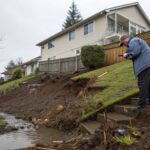


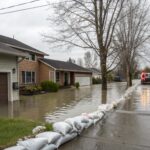
Ready to tackle that water damage with some YouTube tutorials and rental equipment? Hold that thought! 🛑 What seems like a money-saving DIY project often turns into an expensive lesson in why professionals exist. Let’s dive into the real story behind restoration costs and discover why going pro isn’t just safer – it’s actually cheaper in the long run!
The DIY Trap: When Saving Pennies Costs Dollars
Picture this: You’re standing in your water-damaged basement, armed with a borrowed shop vac and determination. Seems simple enough, right? But here’s what you don’t see: the invisible enemy of hidden moisture, lurking behind walls and under floors, waiting to transform your DIY attempt into a costly nightmare.
The Real Numbers: DIY vs Professional Restoration
Let’s break down a typical water damage scenario we encountered last month:
DIY Attempt:
- Equipment rental: $250
- Materials: $300
- Weekend labor: “Free” (but 20 hours of your time)
- Secondary damage from incomplete drying: $3,500
- Mold remediation needed: $2,800
- Professional repairs eventually required: $4,200 Total Real Cost: $11,050 (plus lost weekends and stress!)
Professional Service:
- Initial assessment: Included
- Professional equipment: Included
- Expert labor: $2,800
- Complete drying: Included
- Prevention of secondary damage: Priceless Total Cost: $2,800
The Hidden Costs You Never See Coming
1. The Equipment Gap
Think that rental dehumidifier is the same as our professional gear? Think again! Professional restoration equipment:
- Removes 4x more moisture per hour
- Provides precise humidity monitoring
- Prevents over-drying damage
- Targets hidden moisture pockets
2. The Knowledge Factor
Here’s what professionals bring that YouTube can’t teach:
- Moisture mapping technology
- Thermal imaging expertise
- Understanding of material-specific drying times
- Knowledge of building science and airflow dynamics
3. The Time is Money Reality
Every hour counts in restoration! While you’re:
- Researching techniques
- Making hardware store runs
- Learning by trial and error Water is:
- Seeping deeper into structures
- Creating perfect mold conditions
- Compromising building materials
- Multiplying your eventual repair costs
Real Stories: DIY Gone Wrong
The Great Garage Flood
Meet Mike from Southeast. His DIY flood cleanup seemed successful until two months later when:
- Musty odors emerged
- Floor tiles started lifting
- Wood trim began warping
- Mold appeared behind baseboards
Initial DIY cost: $500 Professional remediation needed: $7,800 Lesson learned: $7,300 the hard way!
The Bathroom “Quick Fix”
Sarah’s leaky shower seemed like a simple repair until:
- Wall cavity moisture spread
- Adjacent rooms developed mold
- Structural wood rotted
- Entire bathroom needed renovation
DIY attempt cost: $150 Final professional restoration: $12,400 Total cost of learning: $12,250
Why Professionals Save You Money
1. First-Time-Right Advantage
Professionals:
- Identify all affected areas immediately
- Use industrial-grade equipment
- Apply proven techniques
- Document everything for insurance
2. Insurance Benefits
Most insurance companies:
- Prefer professional restoration
- May deny claims for DIY damage
- Require certified technician reports
- Cover professional work more readily
3. Long-Term Protection
Professional restoration includes:
- Moisture level verification
- Prevention of future issues
- Warranty protection
- Peace of mind guarantee
The Technology Edge
Modern restoration isn’t just about drying – it’s about precision. Professionals use:
- Thermal imaging cameras
- Moisture mapping tools
- Advanced drying systems
- Environmental monitoring equipment
DIY enthusiasts simply can’t access this level of technology!
When DIY Makes Sense (And When It Absolutely Doesn’t)
Green Light for DIY:
- Minor surface spills
- Small, contained leaks
- Simple maintenance tasks
- Basic cleaning
Red Light – Call the Pros:
- Any structural water damage
- Flooding events
- Sewage backups
- Mold situations
- Fire damage
- Storm damage
Making the Smart Choice
Still thinking about DIY? Ask yourself:
- Can I identify all affected areas?
- Do I understand building science?
- Can I properly document for insurance?
- Am I willing to risk secondary damage?
- Is my time really “free”?
The Bottom Line: Expertise Pays for Itself
Think of professional restoration like modern medicine – sure, you could try to diagnose and treat yourself, but wouldn’t you rather trust an expert with the right tools, knowledge, and experience?
Don’t let a DIY attempt turn your property damage into a financial disaster. When water, fire, or mold threatens your home, call Pacific Water & Fire Restoration at +1 (503) 201-7337. Our certified technicians are available 24/7 to provide the professional restoration that actually saves you money.
Remember: The most expensive restoration is the one you have to do twice!