
The picturesque landscapes surrounding Battle Ground, Washington, with their dense forests and rolling hills, create a stunning backdrop for rural and suburban living. However, this beautiful setting also presents a growing concern: wildfire risk. As climate patterns shift and development extends into wildland areas, Battle Ground residents face increasing vulnerability to wildfires. At Pacific Water & Fire Restoration, we’ve helped numerous homeowners recover from wildfire damage, and we’ve learned that proactive preparation—particularly creating defensible space—is the most effective protection strategy.
Understanding Wildfire Risks in Battle Ground
Battle Ground’s unique geography and climate create specific wildfire vulnerabilities that residents should understand:
Local Wildfire Risk Factors
- Wildland-Urban Interface (WUI): Many Battle Ground properties sit in the transition zone between unoccupied land and developed areas, increasing exposure to wildfire threats
- Seasonal Drought Conditions: Summer dry periods, particularly July through September, create ideal conditions for fire spread
- Dense Forest Vegetation: Douglas fir, western hemlock, and understory vegetation can become fuel during dry conditions
- Wind Patterns: East winds from the Columbia River Gorge can rapidly accelerate fire spread
- Limited Access Points: Some rural properties have single access roads, complicating both evacuation and firefighter access
According to Clark County Fire & Rescue, approximately 60% of Battle Ground’s residential areas are considered to be in the wildland-urban interface, with wildfire risk increasing each year due to climate change. The Nakia Creek Fire in 2022 served as a stark reminder of how quickly wildfires can threaten communities in Clark County.
What is Defensible Space?
Defensible space is the buffer you create between your home and the grass, trees, shrubs, or wildland area surrounding it. This space is essential for:
- Slowing or stopping wildfire spread toward your home
- Protecting your home from catching fire from direct flame contact or radiant heat
- Providing safe zones for firefighters to defend your property
- Reducing flying embers that can ignite materials on or near your home
The concept of defensible space involves strategically managing vegetation and materials around your property in zones extending outward from your home.
The Three-Zone Approach to Defensible Space
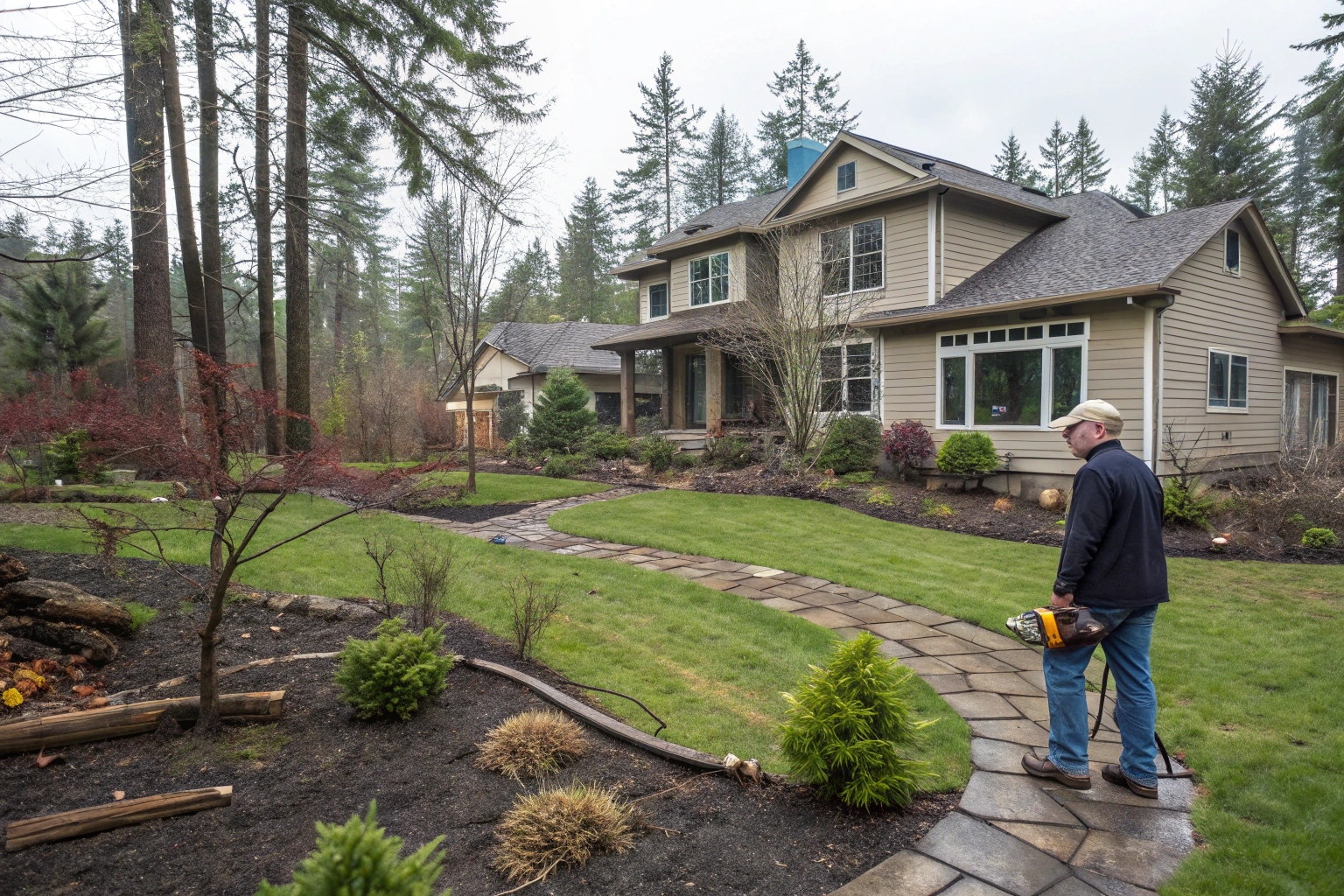
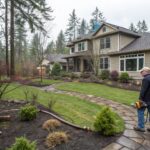
Zone 1: 0-30 Feet (Immediate Home Defense Zone)
This critical zone directly surrounding your home requires the most rigorous maintenance:
- Remove All Flammable Materials:
- Clear leaves, pine needles, and debris from roofs and gutters
- Remove dead vegetation, fallen branches, and dry leaves from the ground
- Keep woodpiles at least 30 feet from structures
- Store flammable materials (propane tanks, patio furniture cushions) away from the house when fire danger is high
- Vegetation Management:
- Remove all dead plants, grass, and weeds
- Trim trees to keep branches at least 10 feet from other trees
- Remove branches that hang over your roof
- Keep plants pruned and maintained
- Choose fire-resistant plants (more on this later)
- Use non-flammable mulch materials like gravel instead of wood chips
- Structural Considerations:
- Use hardscape features like concrete, stone, or gravel pathways
- Keep grass short and well-watered
- Remove combustible materials from underneath decks or porches
- Screen or enclose areas under decks with 1/8-inch wire mesh
- Move play structures outside this zone if possible
Pro Tip: Start your defensible space work in Zone 1 and move outward. The most critical protection happens in this immediate area around your home.
Zone 2: 30-100 Feet (Reduced Fuel Zone)
This intermediate zone focuses on slowing fire progression and reducing intensity:
- Vegetation Spacing:
- Create horizontal spacing between shrubs and trees
- On flat ground, space trees to maintain 10 feet between canopies
- On slopes, increase spacing: 20 feet on moderate slopes, 30 feet on steep slopes
- Break up continuous vegetation patches to disrupt fire pathways
- Vertical Spacing:
- Create “fire breaks” by removing lower tree branches 6-15 feet from the ground (depending on tree height)
- Ensure vertical space between shrubs and lower tree branches to prevent “ladder fuels”
- Remove small trees and shrubs growing between mature trees
- Maintenance Practices:
- Keep lawns mowed to 4 inches or less
- Clear fallen leaves, needles, twigs, bark, cones, and small branches
- Reduce thick patches of shrubs to create separation
- Leave adequate space between landscape trees and shrubs
- Maintain irrigation as appropriate
Safety Warning: When creating defensible space in Zone 2, always maintain enough vegetation to prevent erosion, especially on slopes. Balance fire safety with slope stability by using terracing or retaining walls where appropriate.
Zone 3: 100-200 Feet (Wildland Reduction Zone)
For Battle Ground residents with larger properties that extend into wildland areas, this outer zone focuses on reducing the energy and speed of an approaching wildfire:
- Forest Thinning:
- Remove smaller trees to create space between larger, healthier trees
- Focus on removing invasive species and fire-prone vegetation
- Thin dense tree groups while maintaining forest health
- Remove most small trees and brush growing between larger trees
- Debris Management:
- Reduce accumulation of dead branches, brush, and other debris
- Consider composting or chipping vegetation rather than burning
- Create fuel breaks with driveways, gravel walkways, or lawn areas
- Collaborative Approach:
- Work with neighbors on adjoining properties to extend defensible space protection
- Consider community-wide fuel reduction projects in high-risk neighborhoods
- Consult with forestry professionals for larger acreage
Pro Tip: If your property borders public lands, focus on Zones 1 and 2, which you control. Contact local land management agencies to discuss concerns about adjacent public lands that may pose wildfire risks.
Fire-Resistant Landscaping for Battle Ground Properties
Strategic plant selection can significantly enhance your defensible space. Consider these fire-resistant options well-suited to Battle Ground’s climate:
Fire-Resistant Trees
- Western Redbud
- Pacific Dogwood
- Bigleaf Maple
- Oregon White Oak
- Western Larch
- Pacific Crabapple
Fire-Resistant Shrubs
- Oregon Grape
- Salal
- Red Flowering Currant
- Pacific Rhododendron
- Serviceberry
- Oceanspray
Fire-Resistant Ground Covers
- Kinnikinnick
- Coastal Strawberry
- Wild Ginger
- Bunchberry
- Creeping Oregon Grape
- Wood Sorrel
Pro Tip: Focus on native, fire-resistant species that are adapted to Battle Ground’s climate. These plants generally require less maintenance and water once established, creating a sustainable defensible space.
Maintenance Calendar for Battle Ground Residents
Maintaining defensible space is a year-round responsibility. Follow this seasonal schedule to keep your property protected:
Spring (March-May)
- Remove winter storm debris
- Clean gutters and roof of accumulated debris
- Prune trees and shrubs before growing season accelerates
- Repair damaged fencing or hardscape features
- Begin mowing as grass growth starts
- Plant new fire-resistant vegetation
Summer (June-August)
- Maintain rigorous watering of landscape plants
- Keep grass mowed to 4 inches or less
- Remove dead vegetation promptly
- Clear gutters of dry debris
- Store patio cushions and other flammables during high fire danger
- Maintain gravel or hardscape areas weed-free
Fall (September-November)
- Remove fallen leaves and pine needles
- Prune trees after leaf drop for better visibility
- Clean gutters extensively as leaves fall
- Cut back perennials per standard practice
- Store outdoor furniture cushions
- Prepare irrigation systems for winter
Winter (December-February)
- Remove damaged branches from winter storms
- Plan improvements for the coming year
- Remove invasive species while they’re dormant
- Maintain access to emergency water sources
- Keep driveways and access routes clear
- Schedule professional tree work during dormant season
Home Hardening: Beyond Defensible Space
While defensible space focuses on the area around your home, “home hardening” addresses the structure itself. These complementary approaches maximize protection:
Roof and Gutters
- Install Class A fire-rated roofing materials during replacements
- Use non-combustible gutter guards
- Install metal drip edge at roof edges
- Replace wood shake roofs, which are highly vulnerable
- Regularly clean all gutters and roof valleys
Vents and Openings
- Cover all vents with 1/8-inch metal mesh
- Box in eaves with non-combustible materials
- Install weather stripping around garage doors to reduce gaps
- Consider installing ember-resistant vents
- Repair damaged screens on windows
Walls and Siding
- Choose fire-resistant siding materials (fiber cement, stucco, brick)
- Fill gaps in siding and trim with fire-resistant caulking
- Replace damaged boards or siding promptly
- Maintain 6-inch ground-to-siding clearance
- Apply fire-retardant treatments to wood siding if replacement isn’t feasible
Windows and Doors
- Install dual-paned windows with one pane of tempered glass
- Consider adding shutters or deployable covers for large windows
- Replace plastic skylights with glass types
- Use metal screen doors as an additional barrier
- Ensure proper weatherstripping on all exterior doors
Community Approaches to Wildfire Safety
Wildfire protection extends beyond individual properties. Consider these community-focused approaches:
Neighborhood Cooperation
- Organize neighborhood clean-up days to reduce fuel across multiple properties
- Share equipment like chippers or dumpsters to make debris removal more affordable
- Create a phone tree or communication plan for emergencies
- Identify neighbors who may need assistance during evacuations
- Consider applying for Firewise USA® community recognition
Access Improvements
- Ensure street names and addresses are clearly visible
- Maintain driveways at least 12 feet wide
- Create turnaround areas for fire trucks
- Trim vegetation along access routes to maintain 14-foot vertical clearance
- Consider secondary emergency access routes where possible
Water Supply
- Identify neighborhood water sources for firefighting
- Maintain pools or water tanks as potential emergency water sources
- Mark the location of dry hydrants, ponds, or other water sources
- Ensure firefighters can access your water sources if you’re not home
Creating a Wildfire Action Plan
Defensible space improves your home’s chances of survival, but you also need a comprehensive plan for personal safety:
Family Communication Plan
- Designate meeting locations both in and outside your neighborhood
- Establish an out-of-area contact person for family communication
- Ensure everyone knows emergency contact numbers
- Practice evacuation routes with all family members
- Create a plan for pets and livestock
Emergency Supply Kit
Prepare a “go bag” with:
- Important documents in a fireproof container
- Prescription medications and eyeglasses
- Change of clothing and sturdy shoes
- Water and non-perishable food
- First aid kit
- Flashlight and battery-powered radio
- Extra car keys and credit cards/cash
- Personal hygiene items
- Cell phone chargers or battery packs
Evacuation Levels Understanding
Familiarize your family with Clark County’s evacuation levels:
- Level 1 – Be Ready: Pack essential items, monitor emergency information, and prepare for possible evacuation
- Level 2 – Be Set: Be prepared to leave at a moment’s notice; this level indicates significant danger
- Level 3 – Go Now: Leave immediately; danger is current or imminent
Safety Warning: Never wait until the last minute to evacuate. Leaving early is the safest choice during wildfire threats. Property can be replaced; lives cannot.
Insurance Considerations for Wildfire Protection
Proper insurance coverage is a critical aspect of wildfire preparedness:
- Review your homeowner’s policy annually to ensure adequate coverage
- Document your home and belongings with photos or video before fire season
- Store inventory documentation in the cloud or off-site
- Understand what is and isn’t covered in wildfire scenarios
- Consider additional coverage for outbuildings or specialized equipment
- Maintain defensible space to potentially qualify for insurance discounts
Pro Tip: Some insurance companies offer free wildfire risk assessments or discounts for homes that maintain proper defensible space. Contact your insurance provider to inquire about available programs.
Real-World Success Stories from Battle Ground
Local examples demonstrate the effectiveness of defensible space:
- During the 2022 Nakia Creek Fire, homes in the Livingston Mountain area with maintained defensible space suffered significantly less damage than those without proper clearance
- A Battle Ground family on Gibson Road credits their home’s survival during a 2019 brush fire to the 30-foot clearing they maintained around their property
- A neighborhood off NE 182nd Avenue implemented a community-wide defensible space program in 2021 and successfully protected all homes during a small wildfire that threatened the area
Professional Assistance with Defensible Space
While much defensible space work can be done by homeowners, some tasks benefit from professional expertise:
- Arborists: For large tree removal or specialized pruning
- Forestry Consultants: For larger acreage management plans
- Landscape Architects: For redesigning with fire-resistant principles
- Defensible Space Inspectors: For professional assessment of your property
- Fire Departments: Many offer free defensible space evaluations
Conclusion: A Commitment to Preparation
Creating and maintaining defensible space represents a commitment to protecting your home, family, and community from wildfire threats. For Battle Ground residents, this preparation is increasingly essential as wildfire seasons grow longer and more intense.
Remember that defensible space is an ongoing process, not a one-time project. Regular maintenance and improvements will ensure your property maintains its protection. By implementing the zone-based approach outlined in this guide, you’ll significantly reduce your wildfire risk while potentially increasing your property value and insurability.
Most importantly, defensible space works. Fire science research consistently demonstrates that homes with proper defensible space are far more likely to survive wildfire events. Your efforts not only protect your own property but contribute to the overall resilience of Battle Ground’s communities.
How Pacific Water & Fire Restoration Can Help
At Pacific Water & Fire Restoration, we’re committed to helping Battle Ground residents both prepare for and recover from wildfire events:
- Defensible Space Assessments: Professional evaluation of your property’s wildfire vulnerabilities
- Post-Fire Restoration: Comprehensive smoke, soot, and fire damage restoration services
- Emergency Response: 24/7 availability at 503-201-7337 when damage occurs
- Smoke Damage Cleaning: Specialized techniques for removing smoke residue from structures and contents
- Water Damage Restoration: Addressing damage from firefighting efforts
- Structural Repairs: Rebuilding and restoring fire-damaged areas
- Content Cleaning: Salvaging smoke-affected belongings
- Odor Removal: Eliminating persistent smoke odors
- Insurance Coordination: Assistance working with your insurance provider
Don’t wait until wildfire season to prepare your Battle Ground property. Contact our IICRC-certified professionals today for a free consultation on defensible space implementation and fire damage prevention strategies.
Call for Immediate Assistance: 503-201-7337
Pacific Water & Fire Restoration is fully licensed, bonded, and insured, serving Battle Ground, Vancouver, Portland, and surrounding communities with 24/7 emergency restoration services.